Tag Archives: Sonny Clark

Origins of Bop: Sigmund Romberg, “Softly, As in a Morning Sunrise”

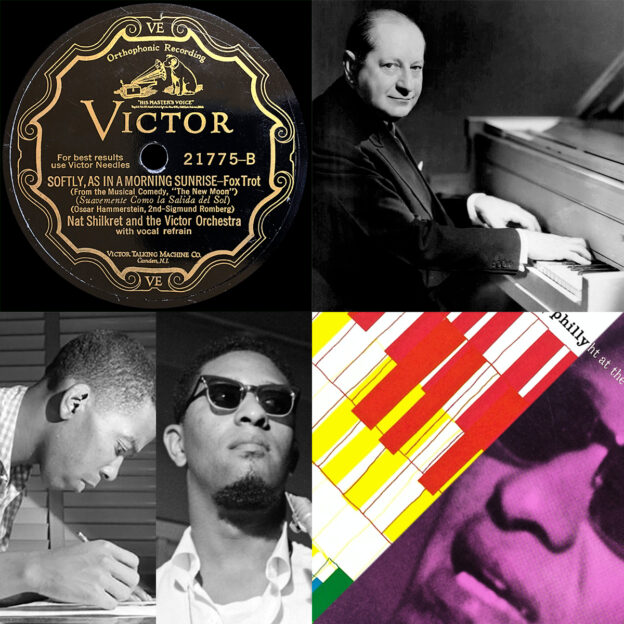
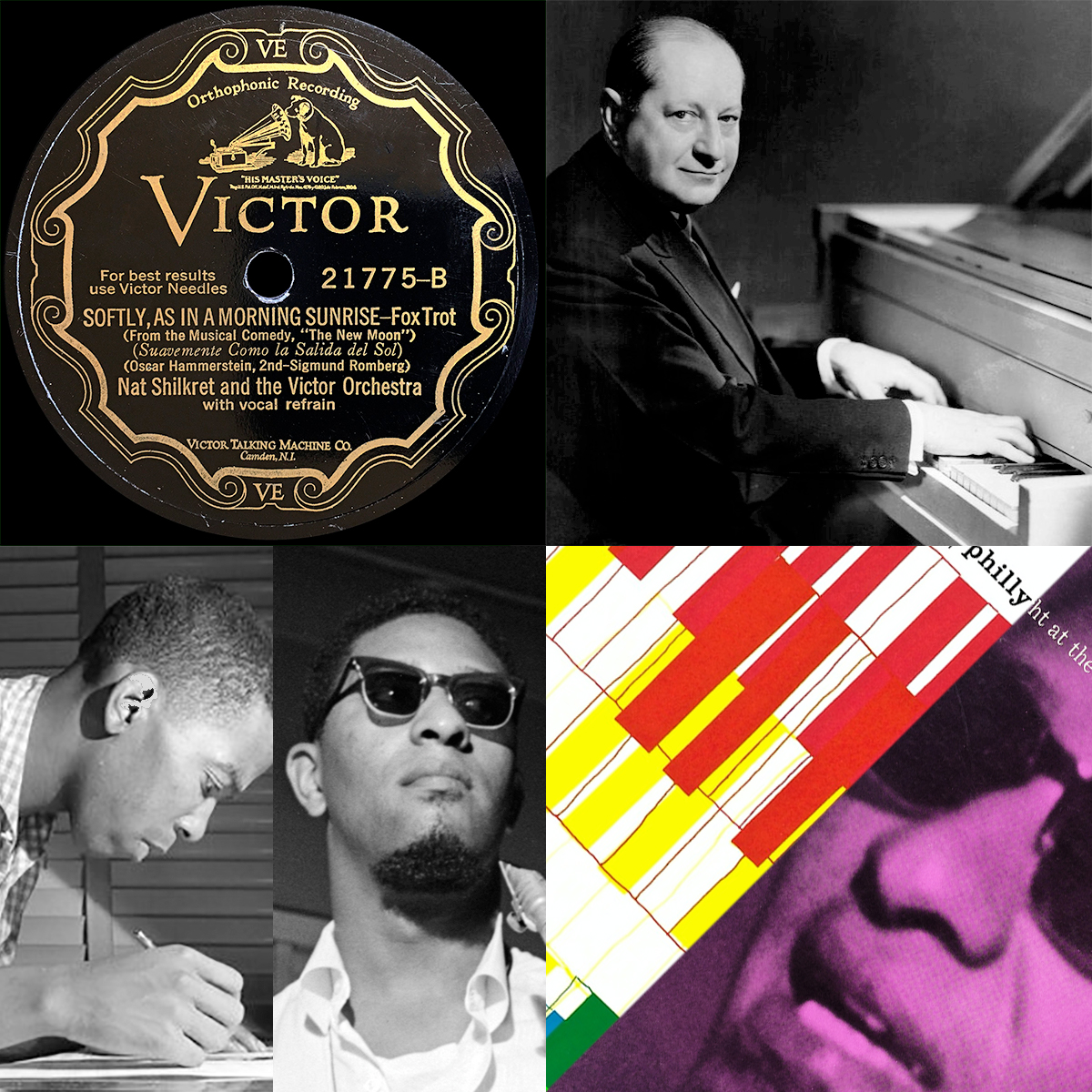
Nat Shilkret and the Victor Orchestra, “Softly, As in a Morning Sunrise” (Original 78)

Victor Records Cat. No. 21775 (Side B) | 1929

Sonny Rollins, “Softly, As in a Morning Sunrise” (Original LP)

Blue Note Records Cat. No. 1581 | 1957

Personnel:

  • Sonny Rollins, tenor saxophone
  • Wilbur Ware, bass
  • Elvin Jones, drums

Sonny Clark, “Softly, As in a Morning Sunrise” (Disk Union “DBLP” Mono Reissue)

Blue Note Records Cat. No. 1579 | 1957

Personnel:

  • Sonny Clark, piano
  • Paul Chambers, bass
  • Philly Joe Jones, drums
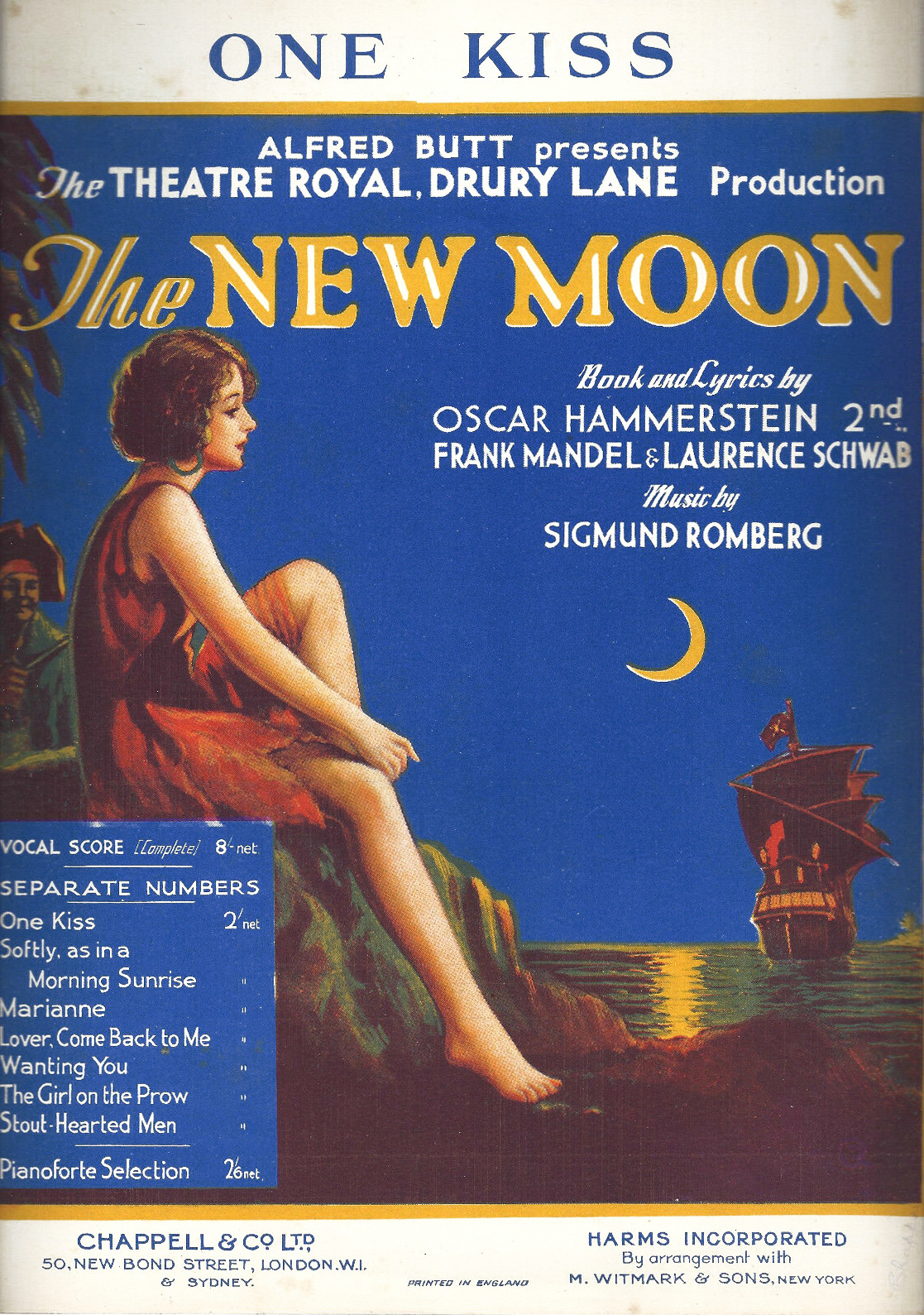
For the first installment of Origins of Bop, we looked at a 1948 bebop classic (Bird’s “Ah Leu Cha”) covered in the hard bop era (by Miles). This time, we explore a jazz standard with roots stretching back much further. “Softly, As in a Morning Sunrise” has been covered by many artists including John Coltrane and Larry Young, but here we focus on the interpretations of two Sonnys. Published in 1928 and written for a theatrical production titled The New Moon, the song’s music was composed by the great Sigmund Romberg with lyrics penned by Oscar Hammerstein II.

Playbill for The New Moon

My personal history with this song is no different than most vocal jazz standards in that I had heard numerous instrumental renditions before ever knowing it had lyrics. I have always been a fan of popular music so the act of discovering the lyrics to one of my favorite standards has proven both a joy and a revelation. Several years ago, this passion for vocal versions led me to research the origins of my favorite hard bop tunes (it’s also a big reason why this series exists). These efforts culminated in two big Spotify playlists that I have since shared here on the blog.

Later on when I started collecting 78s, I had the idea to hunt down some of these older versions. There are usually numerous options to choose from for any given song, and while it’s possible that others might better suit my taste in this case, Nat Shilkret’s recording of “Softly” for Victor represents the first studio performance. It embodies the way most of the music-buying public would have first heard it in 1929 and thus brings along with it a unique authenticity.

Recordings like this are a bit paradoxical to me. On one hand, I value them because they enhance my appreciation of the instrumental versions I originally came to love. On the other hand, these Vaudevillian, string-drenched predecessors often sound undeniably square. In Ken Burns’ Jazz doc, the late, great critic Stanley Crouch gave historical context to the revolution Louis Armstrong created in singing when Crouch humorously demonstrated the difference between Satch’s fresh, entertaining lyricism and the insufferably corny vocal stylings that were commonplace in the early ‘20s. By 1929 that revolution was nearing completion, and to the dismay of a new generation of hep cats, bandleaders like Shilkret and the labels employing them desperately clung to a musical tradition that was becoming more and more obsolete by the minute.

Nat Shilkret and the very un-diverse Victor Orchestra

Although The New Moon had lasting popularity as an operetta both on Broadway and the silver screen, “Softly” remained virtually untouched by the recording industry through the ‘30s, ‘40s, and into the early 1950s, save a swinging 1938 Artie Shaw version. It really wasn’t until the Modern Jazz Quartet picked it up and dusted it off in 1955 for a recording session with Prestige Records that the song was first brought to the attention of the jazz community. Two years later, Sonny Clark and Sonny Rollins gave the oldie their own respective readings for Blue Note Records, and countless other musicians would carry on the new tradition for decades to come.

The first version I ever heard was Rollins’, a cool performance appearing on the mega-classic live album A Night at the Village Vanguard. Elvin Jones picks up the brushes for this one, reduces the temperature of things to a simmer, and the trio proceeds to find a natural groove while trading short solos during an extended round of cooperative improvisation. Rollins slyly maneuvers the changes, darting then tip-toeing from one chord to the next like Peter Sellers playing a detective in hot pursuit of a suspect.

Sooner than later I discovered Blue Note 1579, Sonny Clark Trio, and when “Softly” played for the first time, I quickly recognized its highly memorable melody. Clark’s reading is the aural equivalent of gentle, natural light being emitted by an overcast day’s cloudy sky. From an engineering standpoint, a trio is undoubtedly easier to record than a larger arrangement like a quintet, and accordingly the sound of this group has plenty of room to reverberate in engineer Rudy Van Gelder’s home studio. Van Gelder’s piano treatment is typically much darker and perhaps even sounds a bit “squashed” at times. But here he takes the headroom afforded by this small band and gives the piano an extra dose of bounce that, though unusual for Van Gelder, is a very welcome change of pace. The tonal coloring is not too bright, not too dark, and the added dynamics make it easy for us to hear just how expressive Clark could be when his fingers struck the keys.

Epilogue

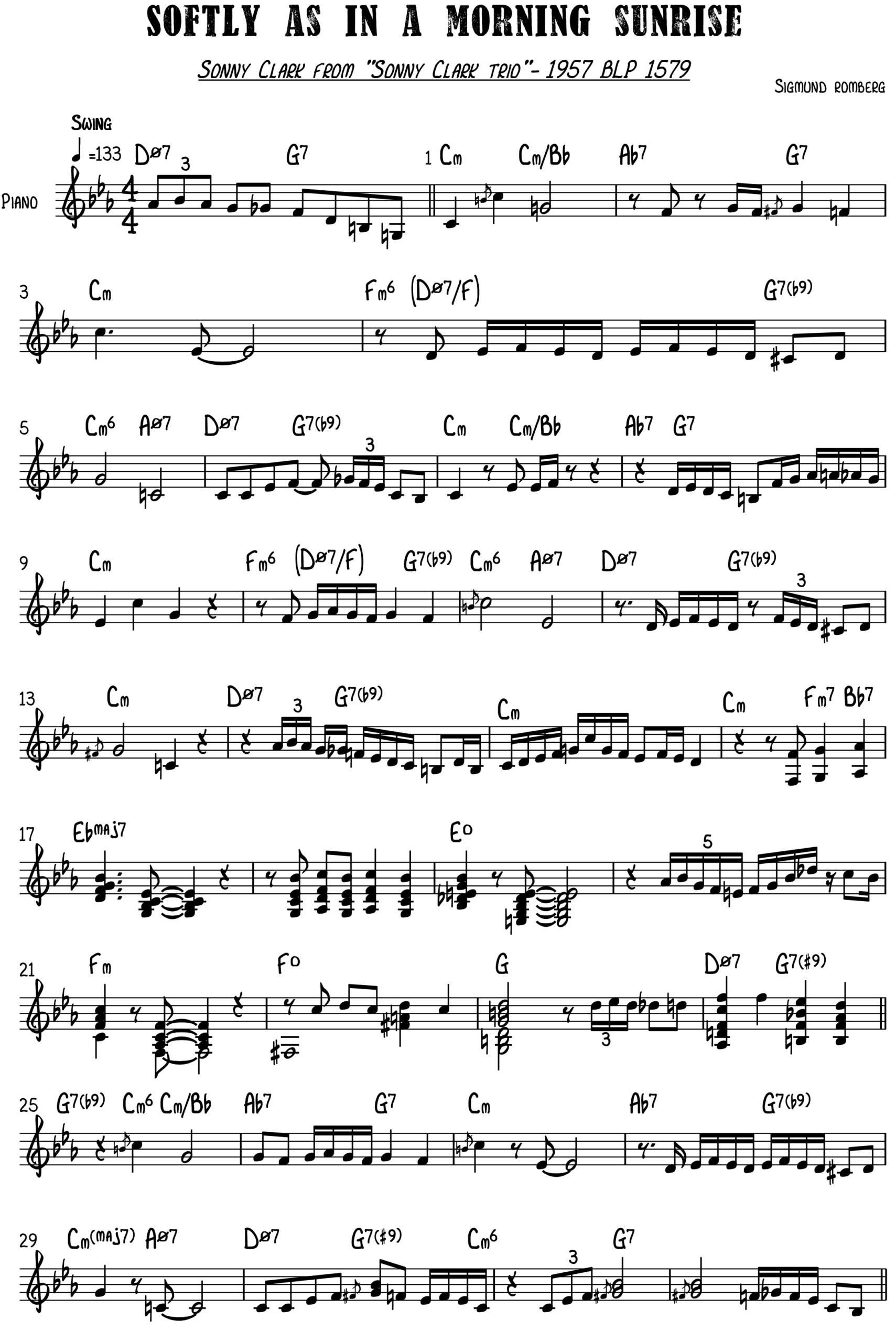
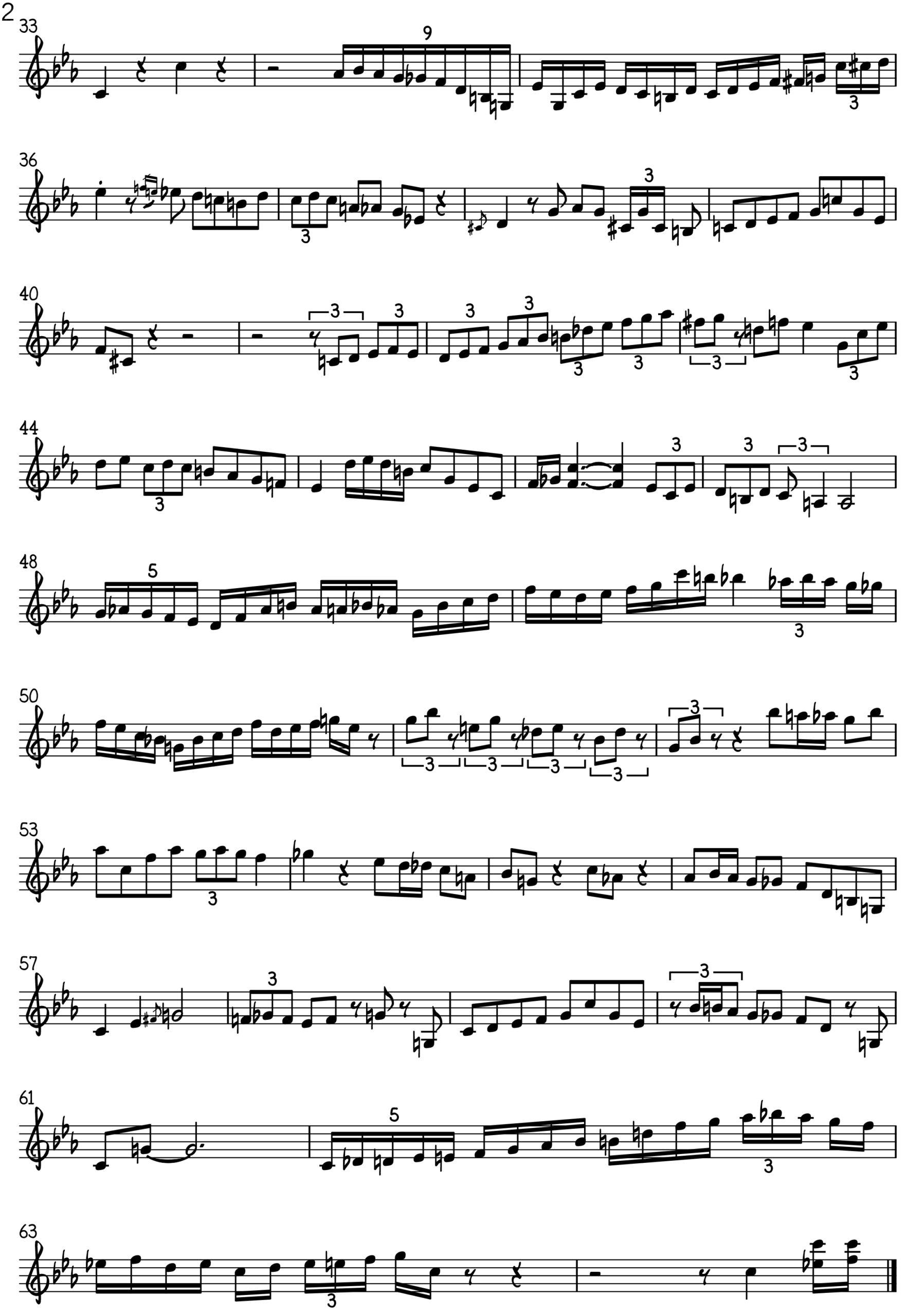
Simon Whiteside, co-host of the entertaining, educational jazz podcast 2-5-1, has provided Deep Groove Mono with his transcription of the intro and first chorus of “Softly” as played by Sonny Clark on Sonny Clark Trio. I have been a devout listener of Simon’s cast and it is highly recommended. There is not enough informed analysis in jazz record collecting and I always jump at the opportunity to educate myself more on this great art form. Have fun following along!
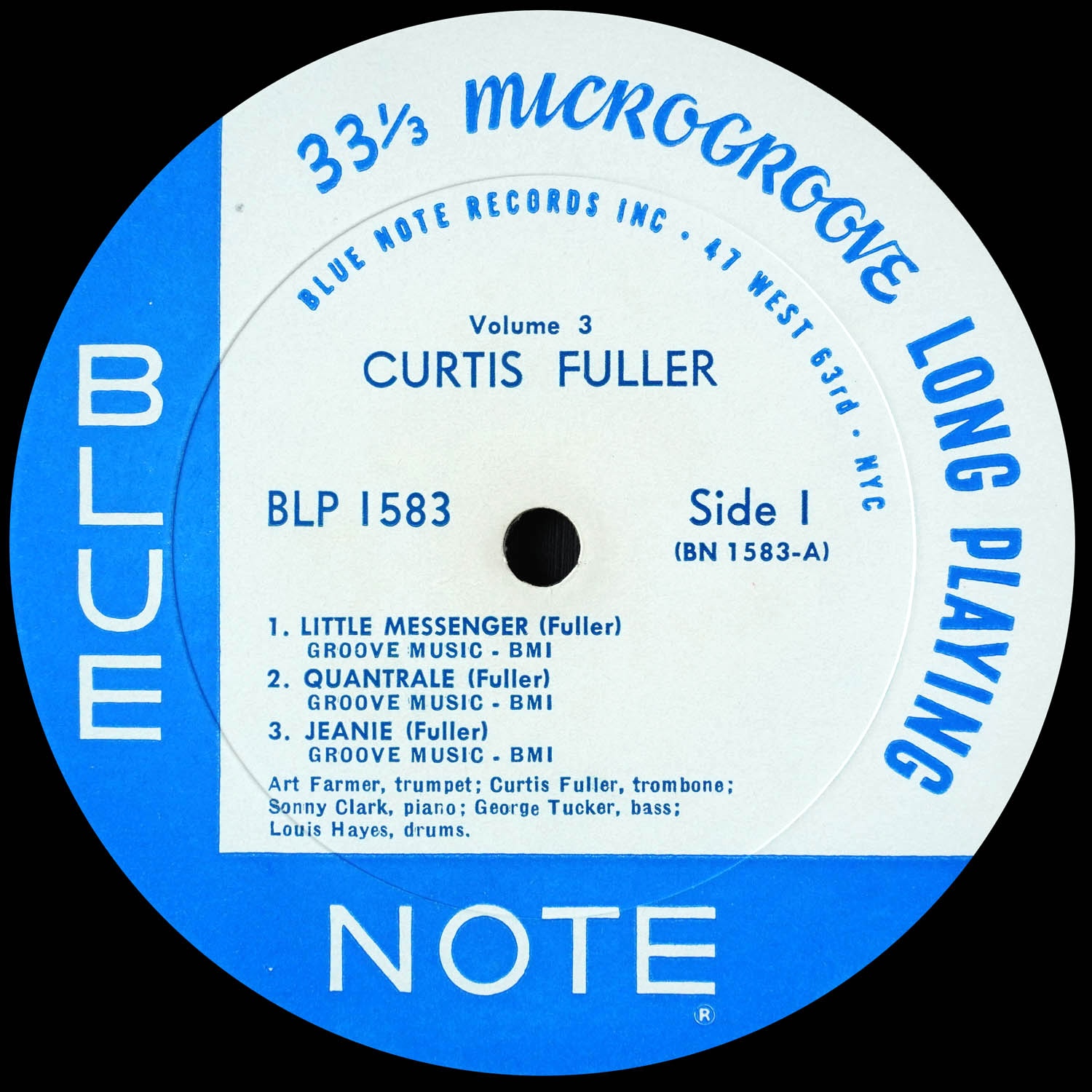
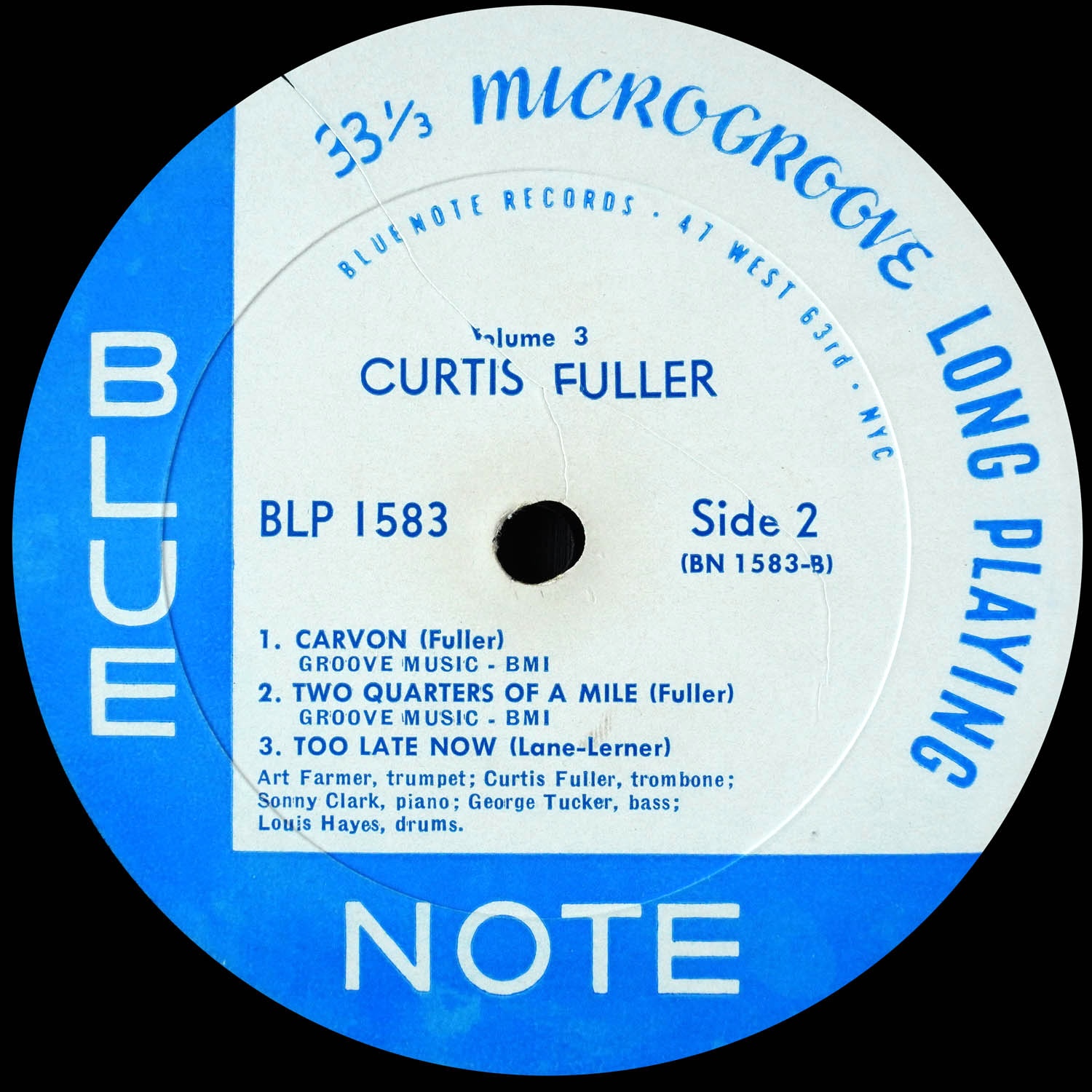
Vinyl Spotlight: Curtis Fuller Volume 3 (Blue Note 1583)

  • Earless mono pressing circa 1966
  • West 63rd INC/R labels on both sides; no deep groove
  • RVG stamped in dead wax

Personnel:

  • Art Farmer, trumpet
  • Curtis Fuller, trombone
  • Sonny Clark, piano
  • George Tucker, bass
  • Louis Hayes, drums

Recorded December 1, 1957 at Van Gelder Studio, Hackensack, New Jersey
Originally released December 1960

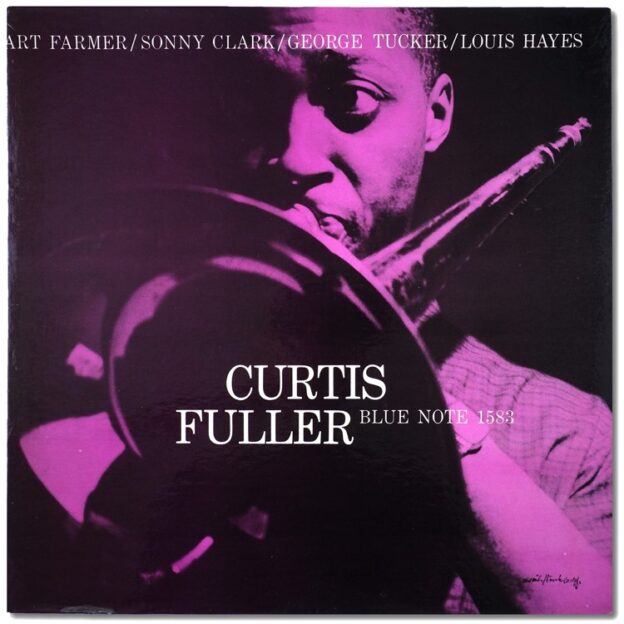
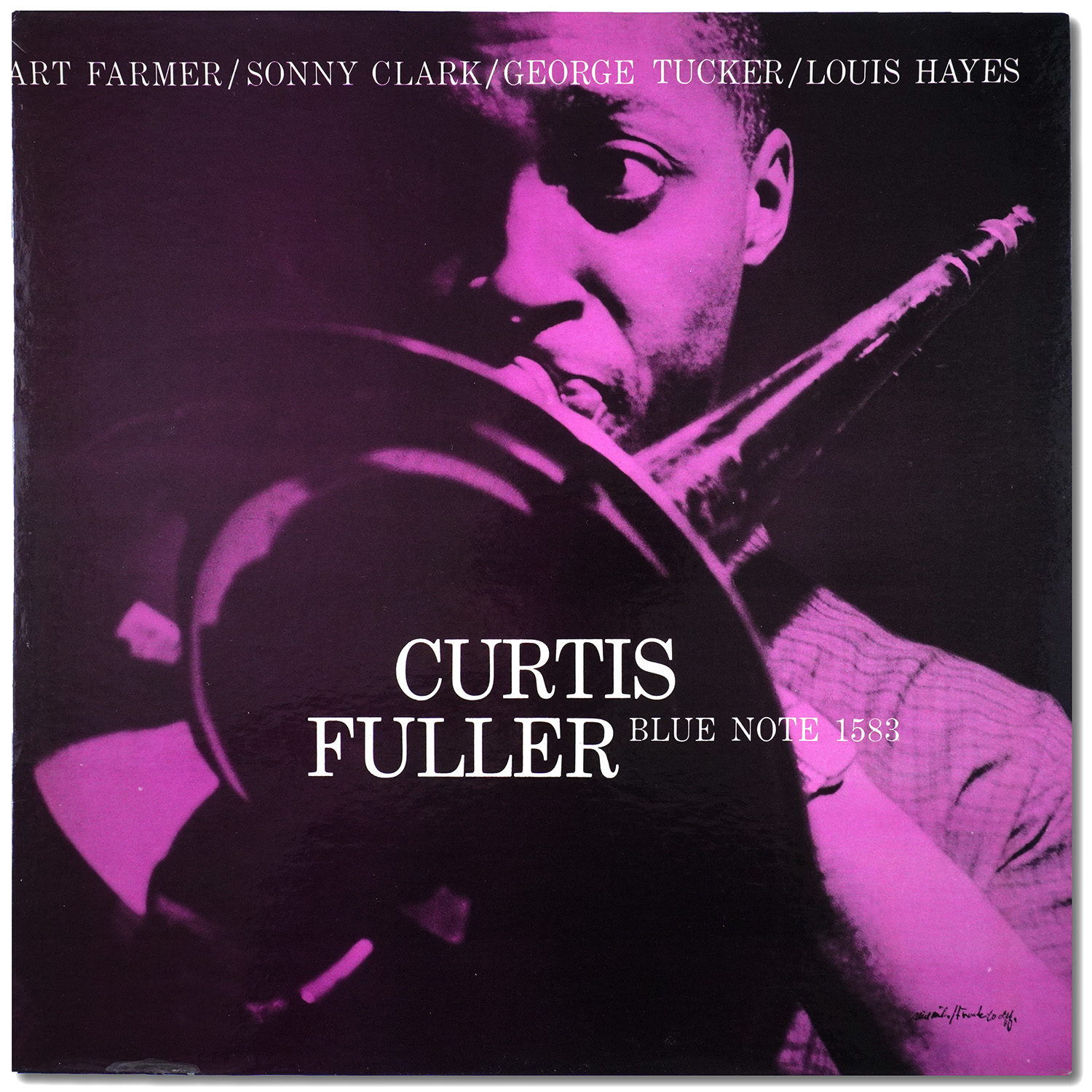
My first interaction with Curtis Fuller Volume 3 came when I bought a Japanese reissue at a local record store on a whim. The lineup looked good and I knew it was fairly rare in any format so I decided to take a chance. After an initial round of unfocused listens, I prematurely dismissed the album and sold it locally. Then about a year later, an original pressing popped up in a different local shop, which inspired me to go home and give it another listen online. This time, the album’s infectious melodies stood out, and upon more critical listening I eventually fell in love, start to finish. At that time I didn’t quite understand where this recording fit into Fuller’s history, though I knew I liked him a lot on other Blue Note albums like Cliff Jordan Sextet, Sonny’s Crib, and Blue Train.

At the time of its recording, Fuller had just hit the New York scene, and his talents as a writer were apparent immediately. Not only did he demonstrate that by contributing four of this album’s six compositions, the dark, brassy harmonies created by Fuller’s trombone and Art Farmer’s trumpet are a testament to his imagination and pursuit of fresh tonalities as an arranger.

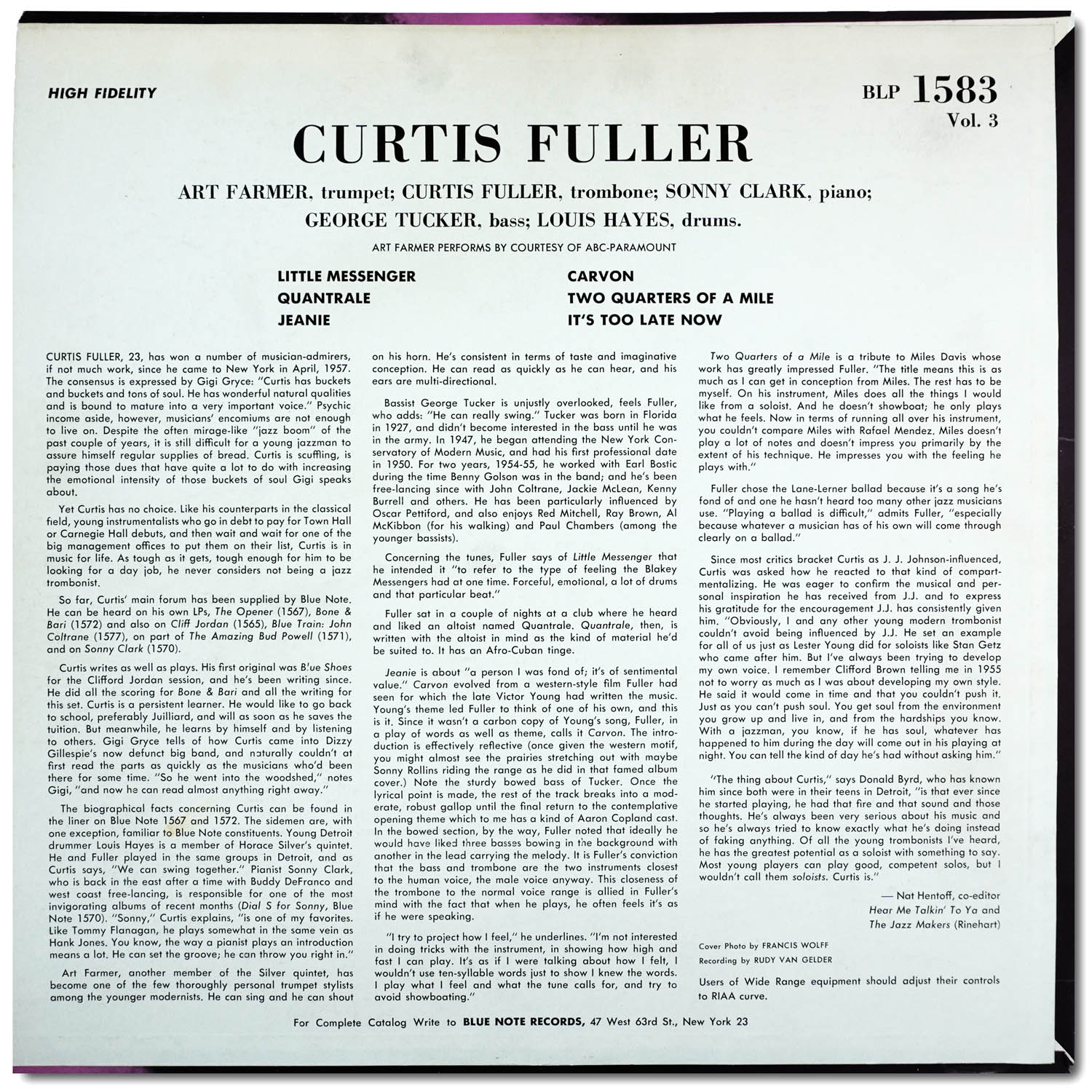
Album titles had a tendency to be a little ambiguous in the dawn of the long-play. While the front and back of this jacket simply read, “Curtis Fuller”, the record’s labels suggest Volume 3 as a title (Fuller had led two Blue Note sessions prior to this: The Opener and Bone & Bari). The responsibility of naming an album probably fell squarely in the label’s lap back then, but in all fairness this was par for the course, as many jazz albums of the day had names that either simply echoed a song title or spelled out some cliché play-on-words involving the artist’s name.

Semantics aside, this album is a diamond in the rough. Perhaps because it was released three years after it was recorded, perhaps because it has not been reissued all that much, but also maybe because it does not come across as one of Blue Note’s more sincere branding moments. The cover’s rather basic presentation has a bit of a manufactured feel, and the aforementioned lack of a catchy title may also contribute something to the album’s deceptive front.

Volume 3 begins with a bang. The band explodes out of the gate with a rush of cymbals and a powerful blast from the frontline’s horns on “Little Messenger”. Fuller then proves he can write with latin flavor on “Quantrale”, and drummer Louis Hayes knows how to pepper the rhythm accordingly. Rounding out side one is “Jeanie”, one of several uplifting moments in this moody set. (I’ll always have a soft spot in my heart for songs named after women.)

Side two opens with “Carvon”, a somber ballad that eventually gives way to a more optimistic and uptempo mid-section. Bassist George Tucker’s bow work complements the composition’s downtrodden mood quite well and is reminiscent of Paul Chambers’ reading of “Yesterdays”, recorded earlier that year. But my favorite track is the happy-go-lucky “Two Quarters of a Mile”, which showcases yet another one of Fuller’s catchy melodies. Volume 3 closes with “It’s Too Late Now”, a ballad that opens with glorious unison between the leader and Farmer. Fuller then stretches into one of his patented sweet solos, the likes of which can also be heard on other ballads like “A Lovely Way to Spend an Evening” and “Come Rain or Come Shine”.

The main reason I adore this album is because the musicians, led by Fuller and his heartfelt writing, seem to communicate emotions ranging from happy to sad so genuinely at each and every turn here. Indeed, this was a magical day of synergy for this group of talented musicians, and I’m grateful that its beauty has been preserved all these years.

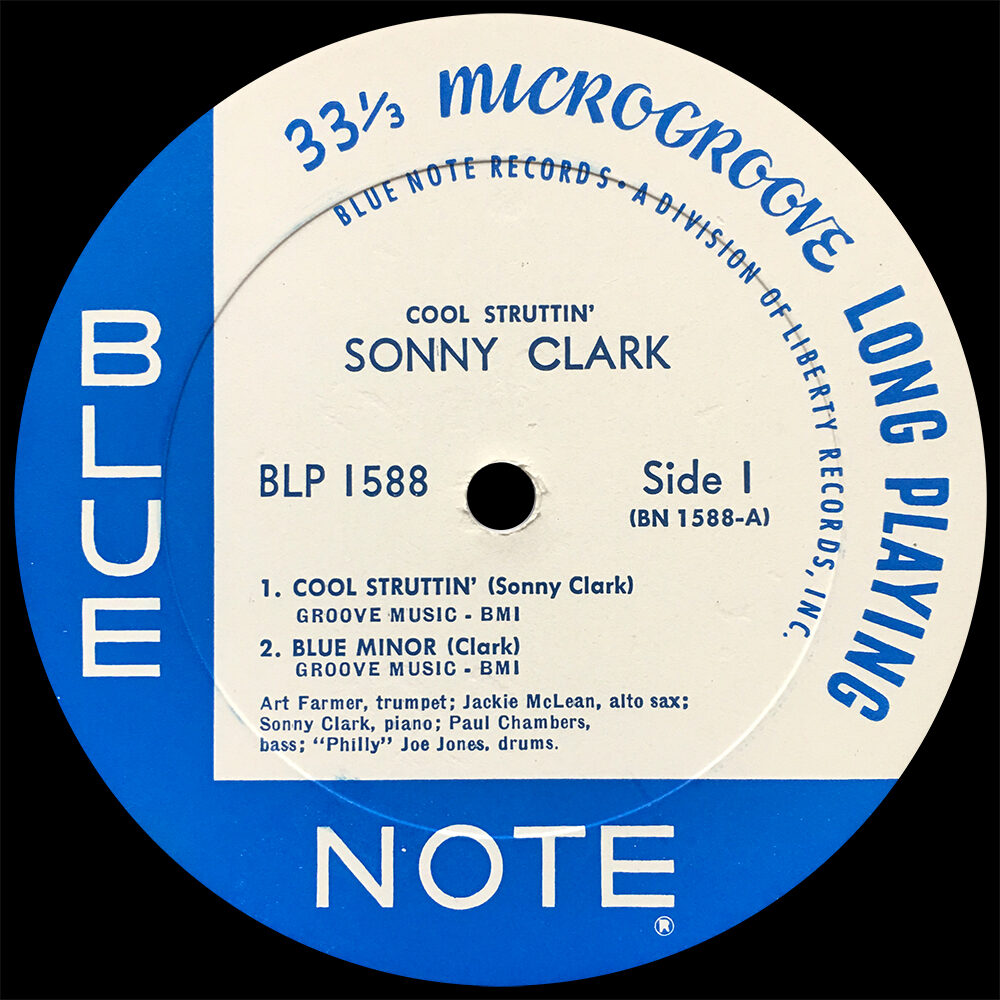
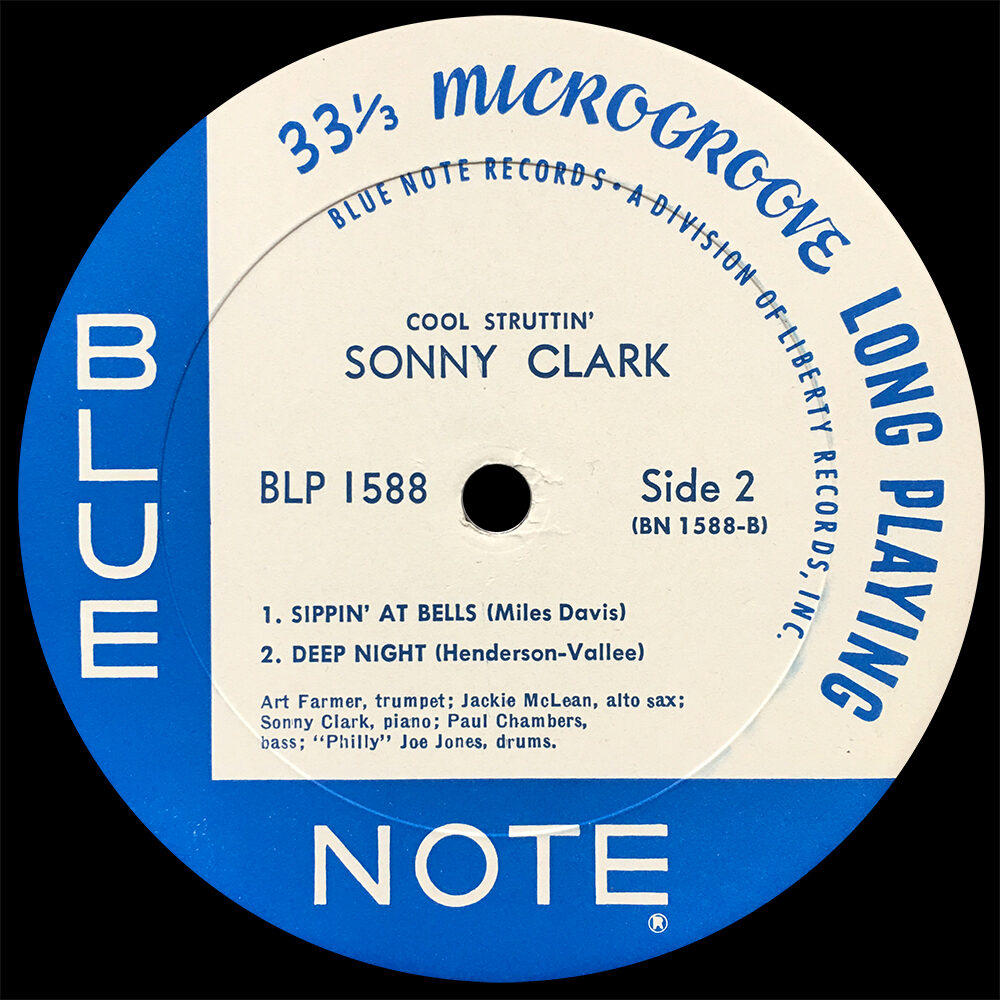
Vinyl Spotlight: Sonny Clark, Cool Struttin’ (Blue Note 1588) Liberty Mono Pressing

  • Liberty mono pressing circa 1966-1970
  • “RVG” stamped in dead wax

Personnel:

  • Jackie McLean, alto saxophone
  • Art Farmer, trumpet
  • Sonny Clark, piano
  • Paul Chambers, bass
  • Philly Joe Jones, drums

Recorded January 5, 1958 at Van Gelder Studio, Hackensack, New Jersey
Originally released August 1958

1 Cool Struttin’
2 Blue Minor
3 Sippin’ at Bells
4 Deep Night

Selection:

“Deep Night” (Henderson-Vallee)

For Collectors

When I first began collecting vintage jazz records, I quickly noticed that Sonny Clark’s Cool Struttin’ is a very in-demand album and considered by many to be a classic. Additionally, I noticed that original pressings fetched in the upwards of two thousand dollars. At some point I became aware that this third/fourth Liberty pressing with original mono Rudy Van Gelder mastering existed, but it still fetched substantial sums of money despite being at least eight years removed from the initial release. Since this isn’t one of my favorite jazz albums, I didn’t foresee myself owning a copy with the Van Gelder stamp any time soon.

Then this copy popped up in a friend’s list of records for sale. Graded highly and priced very fairly, I replied to my friend’s email the instant I saw it, beating out any other potential buyers who also received my friend’s list that evening. Despite this not being a personal favorite, I still fancy the music, the price was right, and it is a great recording that, after finally hearing an authentic mono copy, revealed itself to be even more outstanding than I had already known it to be in stereo.

The stereo version of Cool Struttin’ has been vastly favored over the mono in reissue programs down through the decades, and I have owned the stereo RVG Edition CD for quite some time. Coincidentally, just before I acquired this copy, I was considering either a 2004 Classic Records mono reissue or the 2011 Japanese Disk Union “DBLP” mono reissue. Blue Note albums like this recorded between May 1957 and October 1958 are especially intriguing in mono because they were recorded to both full-track and two-track tape, so mono versions aren’t (shouldn’t be) a “50/50” summation of the two-track tape, as all Blue Note mono LPs following this period are. So while in theory you may not hear a huge difference between an authentic mono version and a stereo version with the channels summed, at least in principle the two versions came from two different master tapes.

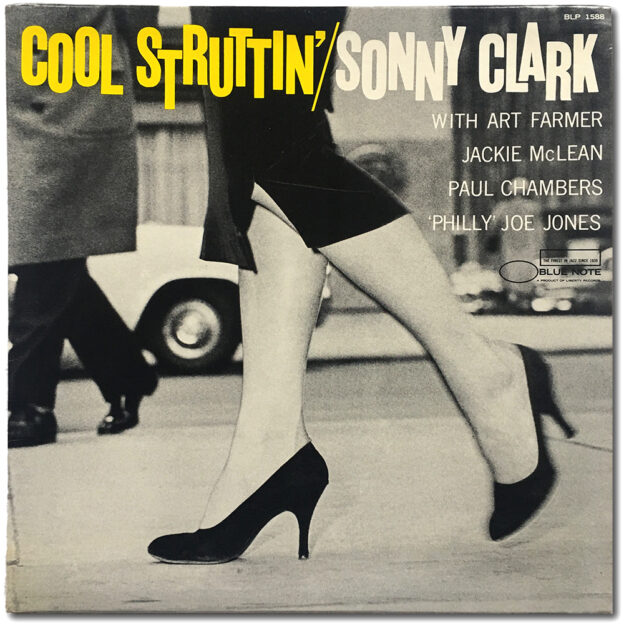
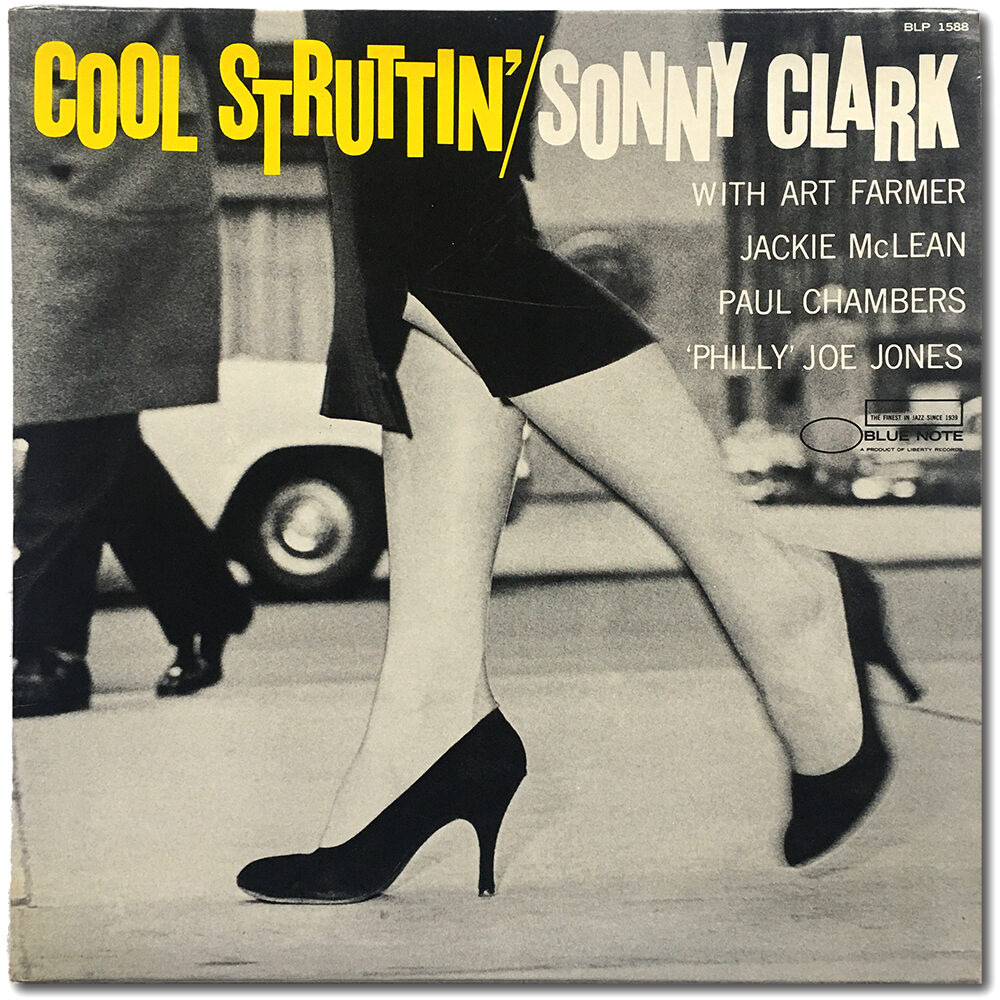
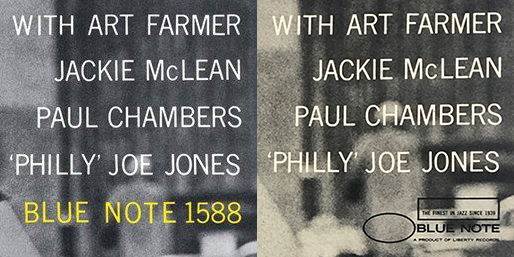
Another factor enticing me to bite on this copy was the album’s iconic cover, which is perhaps the most famous jazz album cover of all time. The presentation of both the graphic and typography remain sharp with this issue, though after Liberty Records acquired Blue Note in 1966 they felt obligated to brandish their name on the front and in the process tarnish Reid Miles’ original artistic vision. The typography he chose for the words “Blue Note 1588” have been replaced with a less attractive outlined version of the label’s note logo complete with the phrase “A Product of Liberty Records” in fine print. While this is the type of thing a detail-oriented collector like myself often takes notice of, it ultimately only amounts to a subtle disappointment that is easy to overlook upon hearing the vinyl’s playback.

Differences in the original and Liberty reissue album covers

For Audio Engineering Nerds

The several stereo versions of this album I have heard no doubt have accurate representations of each instrument (save Rudy Van Gelder’s less-than-ideal piano sound, of course), yet the overall presentation has typically been a little on the bright side in stereo, and, as per usual with pre-seventies stereo, sounds disjoint. Surely some jazz lovers prefer the added detail of these stereo mixes; personally I prefer the cohesion of the mono.

I don’t know if my mind is playing tricks on me as a result of this being such a high-profile album, but the mono presentation of Cool Struttin’ seems especially balanced in relation to other mono-stereo comparisons from the same time period. This original Van Gelder mono mastering is on the darker side — especially good here since it sounds like the cymbals were recorded with a lot of high-frequency energy — but everything really locks into place in mono here.

For example, where stereo issues arguably give an added sense of depth by placing the reverb for Art Farmer’s trumpet in the center of the stereo spread with Farmer flanked to the left, on the mono version the same plate reverb melds with Farmer’s tone in a unique and satisfying way. What’s more, the mono seems to emphasize producer Alfred Lion’s artistic sensibilities and engineer Rudy Van Gelder’s ability to give each musician their own sound. As pointed out by my honorable collecting friend Clifford (Instagram’s @tallswami), in contrast to Farmer, Jackie McLean is presented front and center with drier immediacy. These choices emphasize each soloist’s unique character and helps each find their own voice on the recording.

For Music Lovers

Many jazz fans adore Cool Struttin’. While collectors stereotypically have a special fetish for the album that is perhaps in some way informed by its killer album art, a drummer friend who is deeply rooted in the jazz tradition and entirely unfamiliar with the world of collecting has identified this as his favorite jazz album of all time. Paraphrasing him, “It just swings so hard”.

I don’t deny that, but hard bop is my thing and I hear a lot of hard swinging in my day-to-day listening. As a result then, I can’t say that I hold Cool Struttin’ in such high regard. I would never deny that it embodies quality performances by world-class musicians but it’s a bit off-base from my typical taste. I’ve never been a big fan of bluesy walking tunes like the title track; they have always seemed kind of “jammy” to me and hence a bit lacking in purpose. The song’s artistic statements could have probably been made in about two minutes’ less time as well. Not that there’s anything inherently wrong with two solos from a great pianist, but Clark solos twice, and the band seems to be in miscommunication when Chambers comes out of his solo, which leads to an additional chorus of meandering.

I dig the intro of “Blue Minor”, and though the bridge has a cheesy, swanky quality to it, perhaps it creates interesting contrast with the song’s hipper A-section. McLean’s solo here is in the Monkian tradition of sticking close to the melody, but at the same time it sounds out of character for the saxophonist, who is typically quite adventurous harmonically. Ironically, this paints McLean as being somewhat unfamiliar with the tune at the time of recording.

“Sippin’ at Bells” is a Miles Davis composition dating back to 1947, the melody of which has firm roots in the bebop tradition. Regular readers of Deep Groove Mono may be aware that compositions with more complex melodies like this generally aren’t my favorite. True, many Monk compositions I adore have challenging structures (“Four in One”, for example), though there’s something about Monk’s melodies that make them fun to hum regardless (which I believe is a very important aspect of his genius). A lot of bebop melodies make me think of tangled string and thus I have a hard time finding something to latch on to. That said, I don’t feel that “Sippin’ at Bells” squarely falls into this category, and I enjoy both Clark’s take and Miles’ original version with Charlie Parker.

Concluding the album is “Deep Night”, a song originally recorded by Rudy Vallee in 1929 and my favorite track on Cool Struttin’. I love the opening two-minute trio vamp. Philly’s brush work and Clark’s delicate, lyrical style complement each other so well, and Philly’s solo at the end is airtight percussive perfection. I probably would have preferred that the trio finish out the song unaccompanied, but when Farmer and McLean eventually enter they deliver quality solos nonetheless.