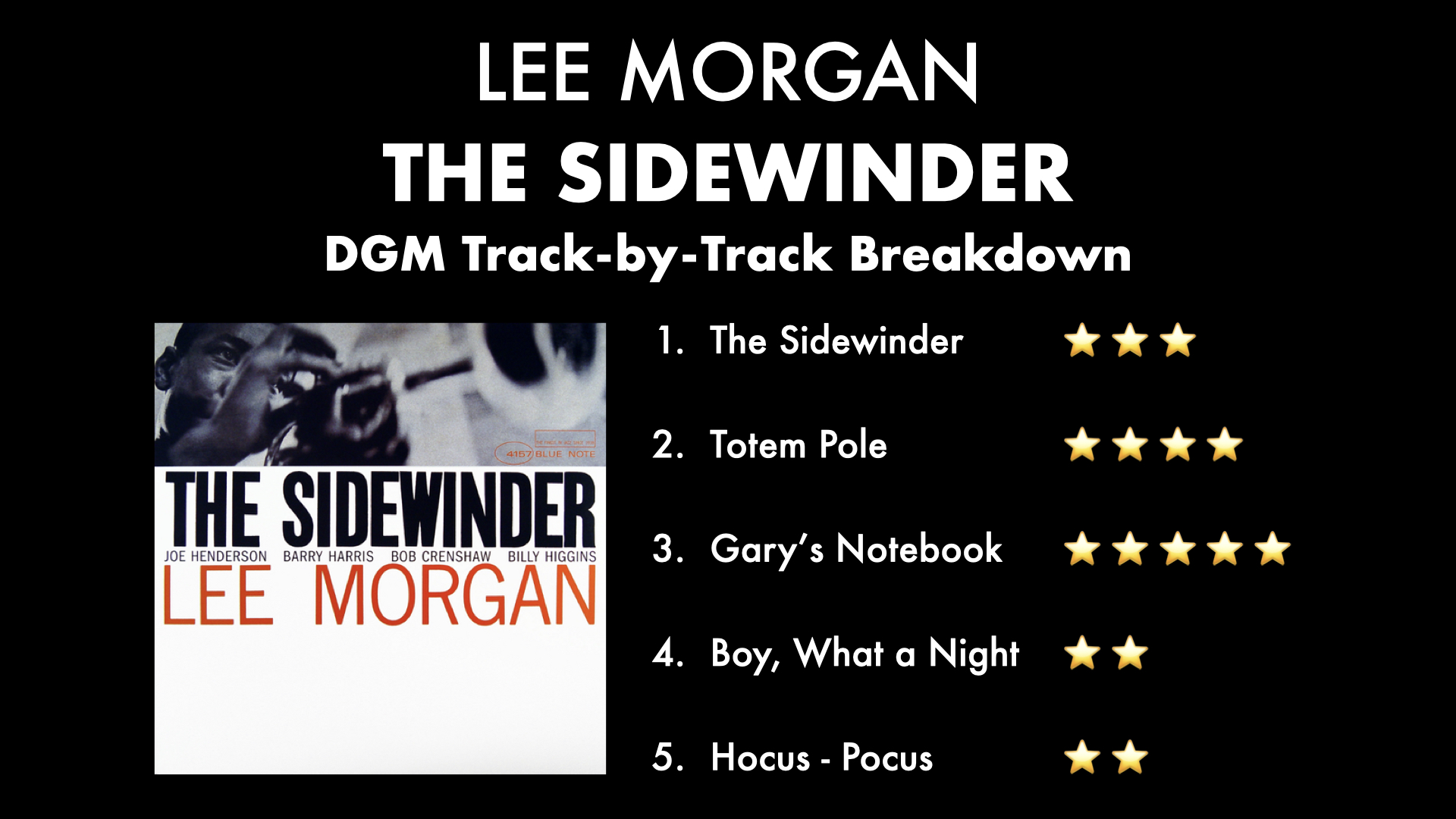

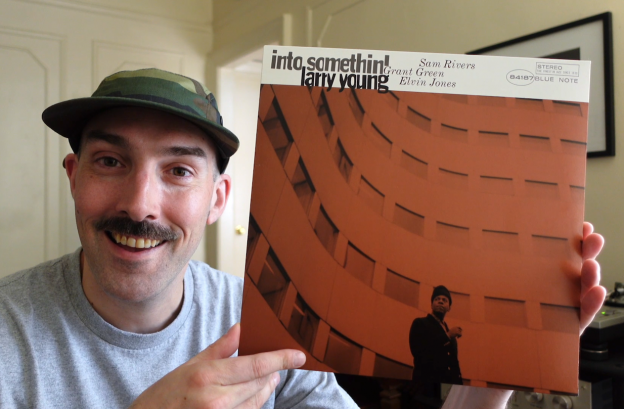
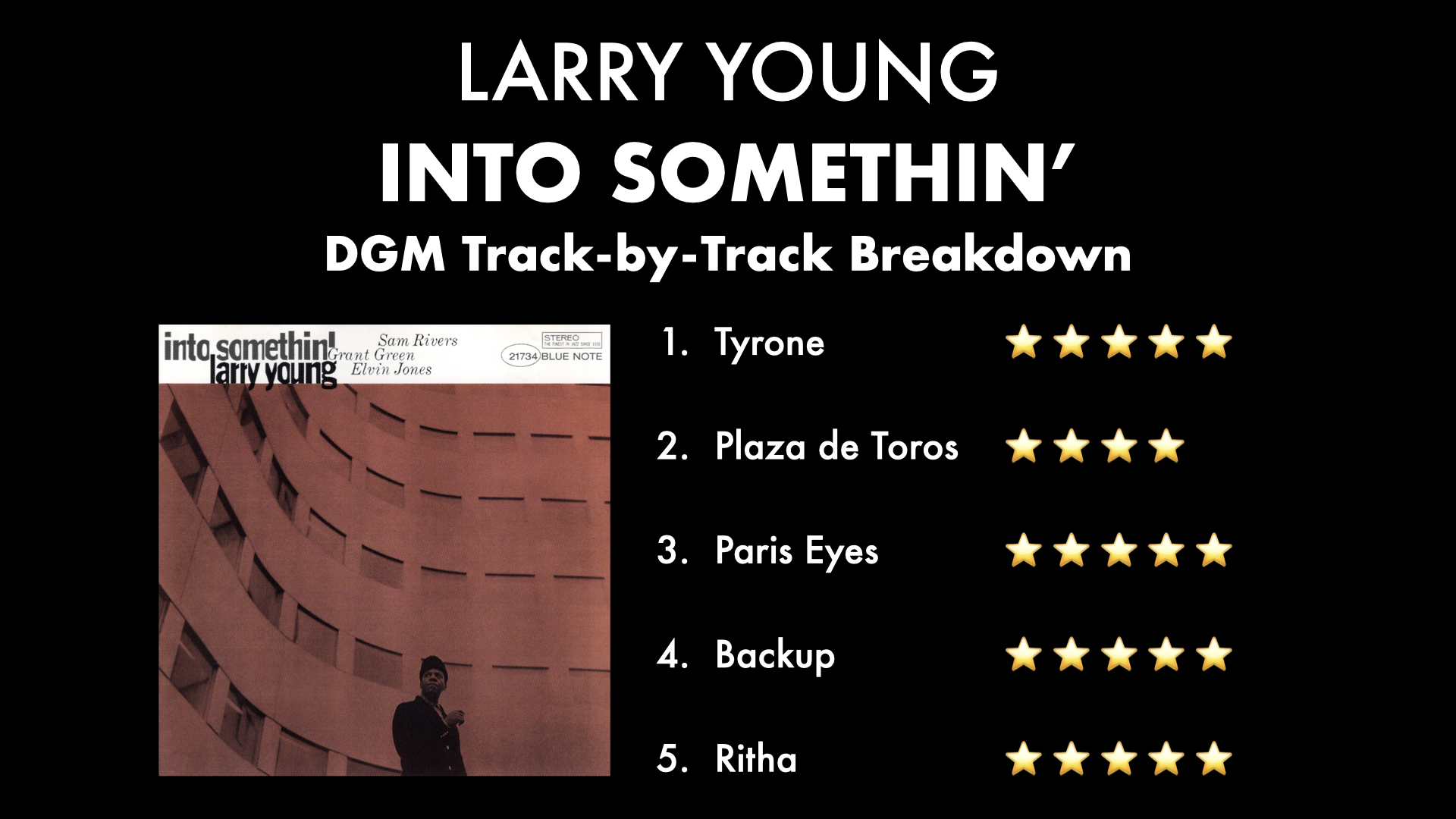
I’m back, once again. Vinyl Spotlight posts began back in January 2014 and have been a cornerstone of this blog for the past eight years. Well, I recently acquired a new camera and decided it was time to bring Deep Groove Mono into the 2020s with a new series, Video Vinyl Spotlight. The first video covers Blue Note’s 80th Anniversary reissue of Larry Young’s Into Somethin’. Feel free to head over to YouTube and subscribe to my channel if you haven’t already, and stay tuned!


Ladies and gentlemen, after several unexpected weeks immersing myself in images and history, I present to you the Deep Groove Mono Classic Jazz Album Art Extravaganza! This design love fest has been broken into two parts with links below. The first is an essay on Modern American design and its origins, and the second is an extensive gallery that includes commentary on each cover from yours truly. This project started small and turned into something much bigger, I am exhausted, and I hope you don’t mind if I let the content do the rest of the talking!
LINK: Jazz Album Art and the Origins of Modern American Graphic Design
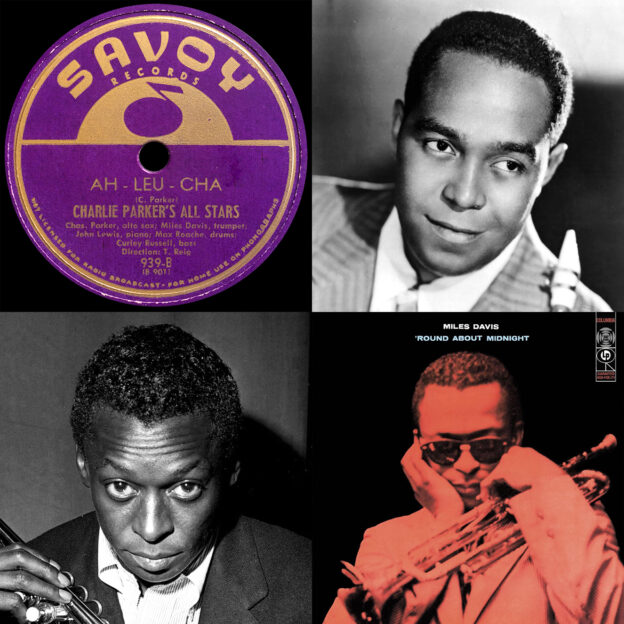
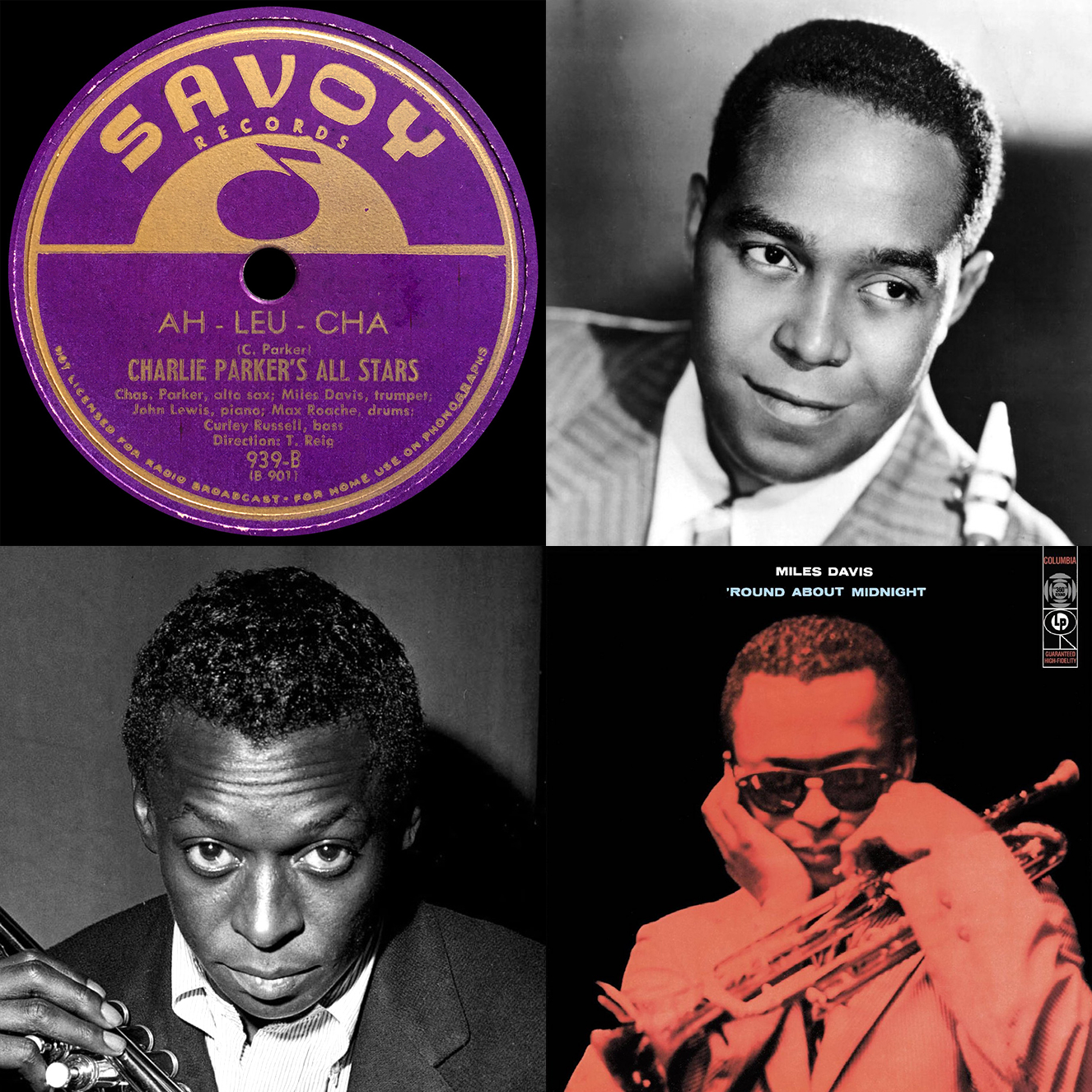
Savoy Records Cat. No. 939 (Side B) | 1948
Columbia Records Cat. No. 949 | 1955
This first installment features a tune composed by one of the founding fathers of bebop. I was introduced to Charlie Parker’s “Ah-Leu-Cha” back in 2001 through the first jazz LP I ever bought: Miles & Monk at Newport. One rainy afternoon in Albany, New York I had a break between my college classes, so I decided to hop in my car and venture downtown to Last Vestige, a local record shop. With a musical background largely focused on hip hop and rock at the time, my experience with jazz was limited. All I had was a cassette tape from a friend with Kind of Blue on one side and My Favorite Things on the other. But as a DJ, I had been seeing lots of cool covers for jazz albums popping up on the Turntable Lab website, and I had recently gotten interested in Madlib’s new electronic jazz project, Yesterday’s New Quintet. I was also DJing with an R&B cover band, and I befriended the group’s saxophonist, who was a locally-renowned jazz musician and composer.
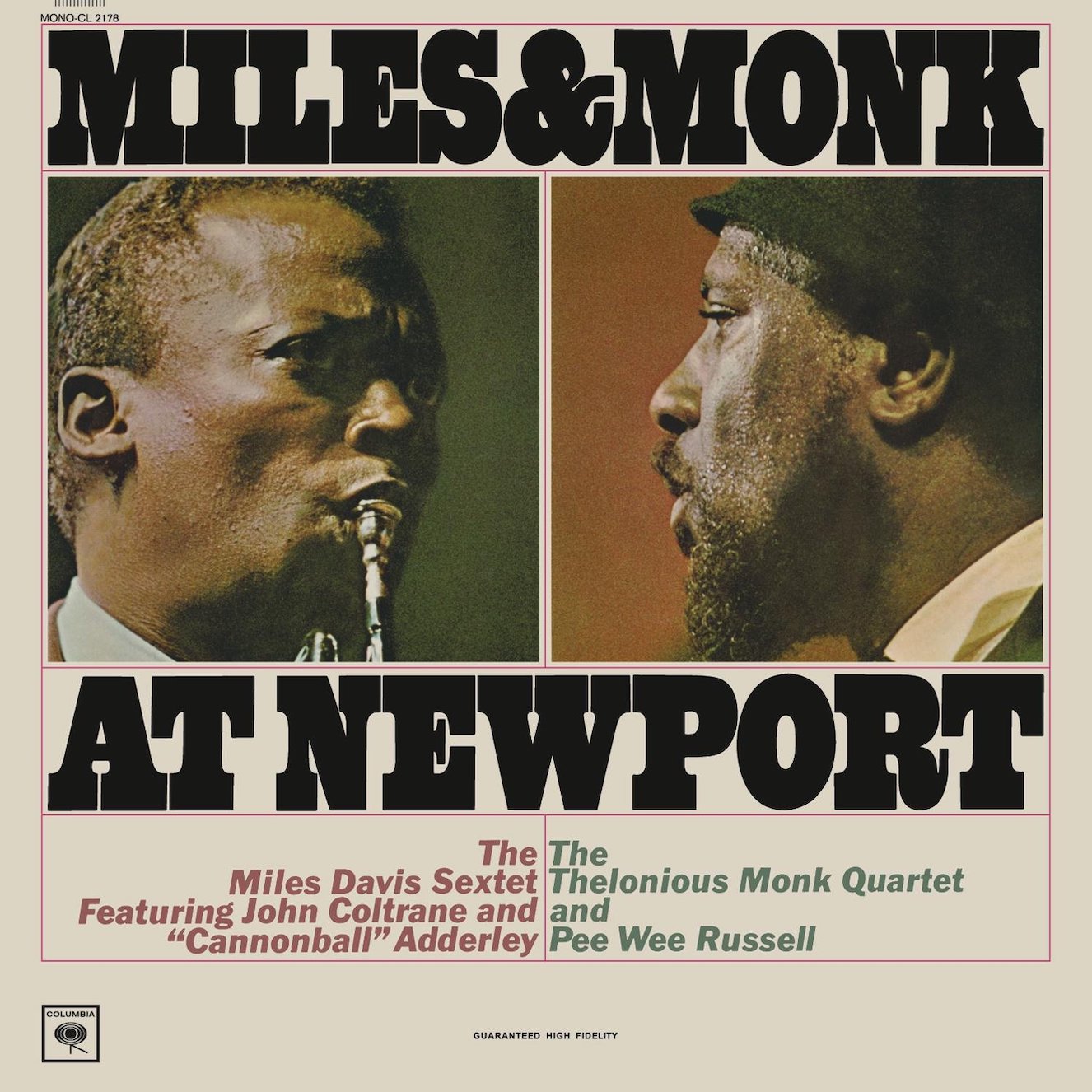 |
| My first-ever jazz vinyl purchase |
This all had an influence on me when I decided to check out the jazz section of that shop for the first time. The copy of Miles & Monk I found was a stereo ‘70s reissue, it costed six dollars, and I pretty much bought it solely on the strength that I had heard of both leaders before. Side 1 was the Miles side. “Ah-Leu-Cha” was the first track, and it wasted no time ripping my face off. Miles liked to play fast live, and this Newport Festival reading was taken at a blistering pace, nearly twice as fast as Parker’s original 1948 recording, which by no coincidence also featured Davis. If I’m being honest, I remember wondering if I would even like jazz if this was what most jazz sounded like! Today I love that recording for its tenacity, high fidelity, and airtight performances. But back then, knowing nothing about jazz and being quite unfamiliar with such high levels of musicianship, I felt utterly confused.
Many years later when I discovered Davis’ classic ‘Round About Midnight, I was pleasantly surprised to find a slower, more accessible version of “Ah-Leu-Cha”. It was recorded three years before the Newport date in 1955 and features Miles’ First Great Quintet. Philly Joe Jones sounds snappy, his patented loose-wrist cymbal work creating an inimitable groove for each soloist to work with. The exceptional fidelity of this recording needs to be noted as well.
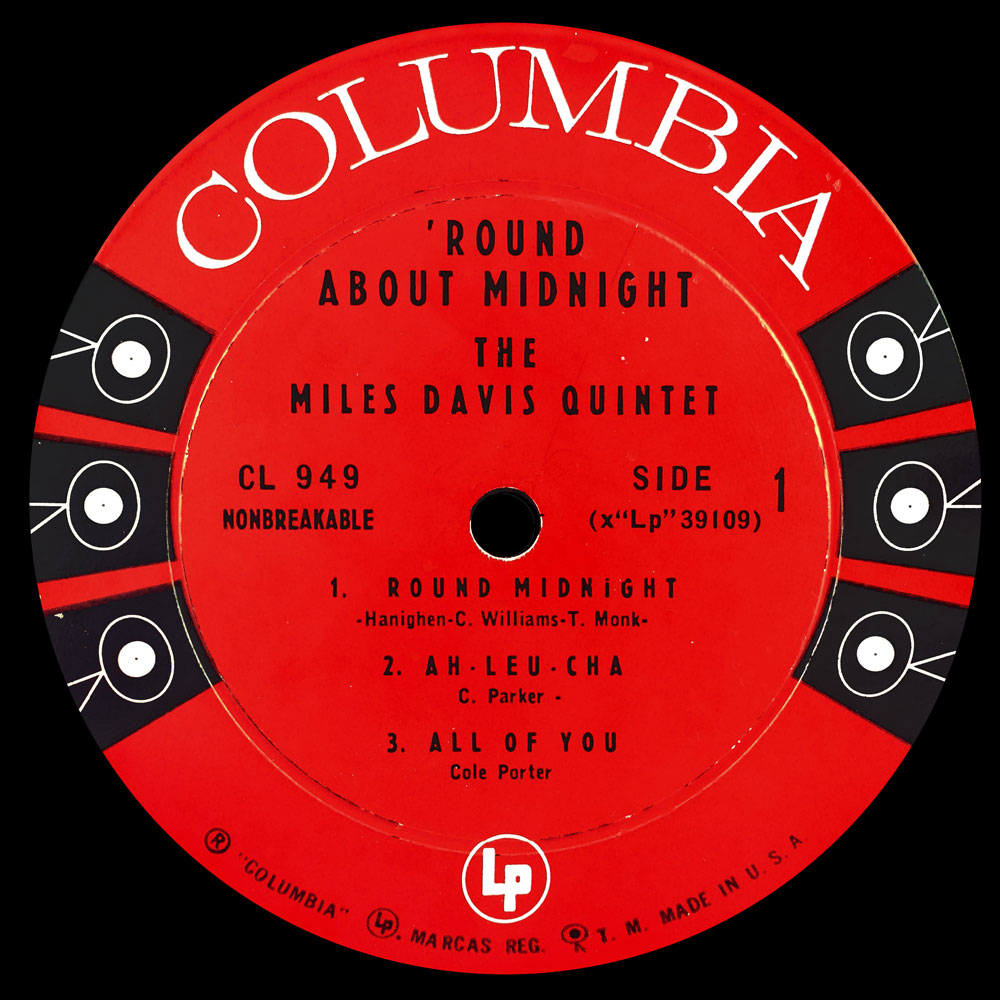 |
| Side 1 label for CL 949 |
Prior to reviewing ‘Round About Midnight for my blog several years ago, I had never noticed Parker as the composer of “Ah-Leu-Cha”, and when I listened to Bird’s version for the first time I was caught off-guard by its syrupy tempo. Recorded for Savoy Records at Apex Studios in New York City (mentioned last week in a blog post here), engineer Harry Smith set the rhythm section back a ways behind a very present front line. This was a standard mixing aesthetic in the 1940s, and it makes jazz recordings from that period unmistakably of-the-era. Max Roach could tear it up like no one else in 1948, but he’s much tamer here. Peppering the backbeat with gentle fills throughout, the drummer manages to quickly trade two half-bar solos with bassist Curley Russell before the track’s closing. As a composition, the counterpoint of Bird and Miles creates exciting harmonic motion that makes my ears smile every time I hear it.
 |
| (Photo credit: Francis Wolff © Mosaic Images LLC) |
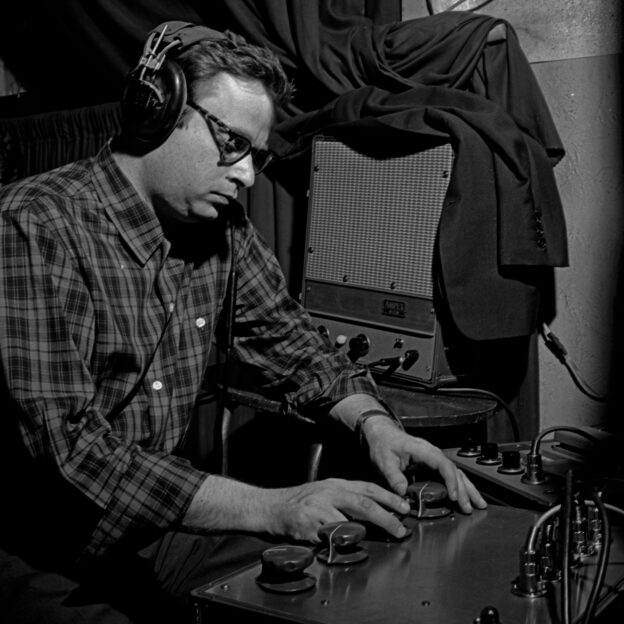
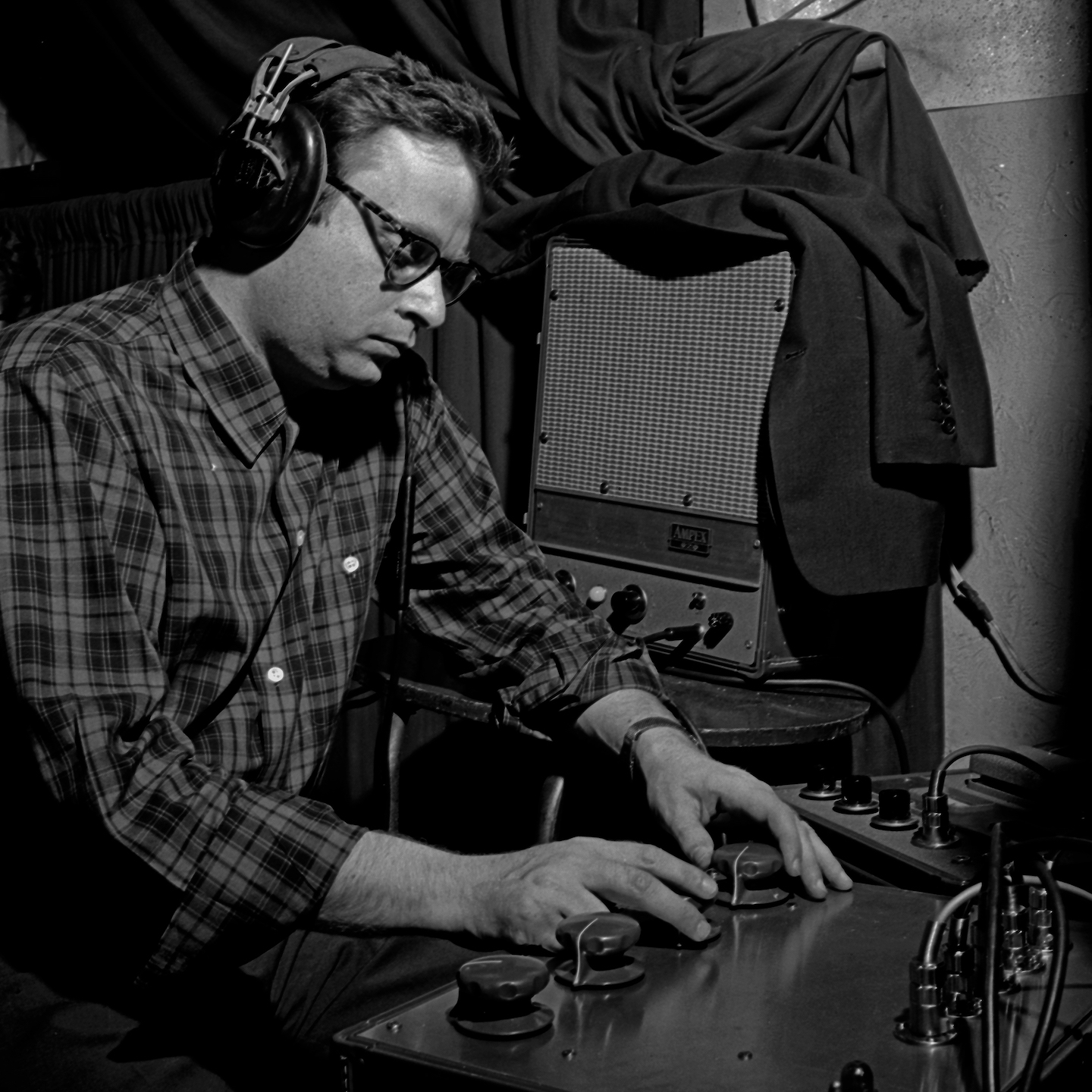
It is with great pleasure that I announce the launch of RVG Legacy, a new website dedicated to preserving the legacy of Rudy Van Gelder. Since the pandemic has taken away all opportunities for me to give my presentation on Rudy in person, I decided to build a website that would essentially deliver all the content of my talk virtually. In the spring I wrote the narrative, then over the summer I put everything together and developed the site.
Produced in association with Van Gelder Studio and Estate, RVG Legacy features dozens of never-before-seen photos from Rudy’s personal collection, and it is sure to become the definitive one-stop destination for all things Van Gelder. Check out the promotional video below and have fun exploring the world of Rudy Van Gelder!
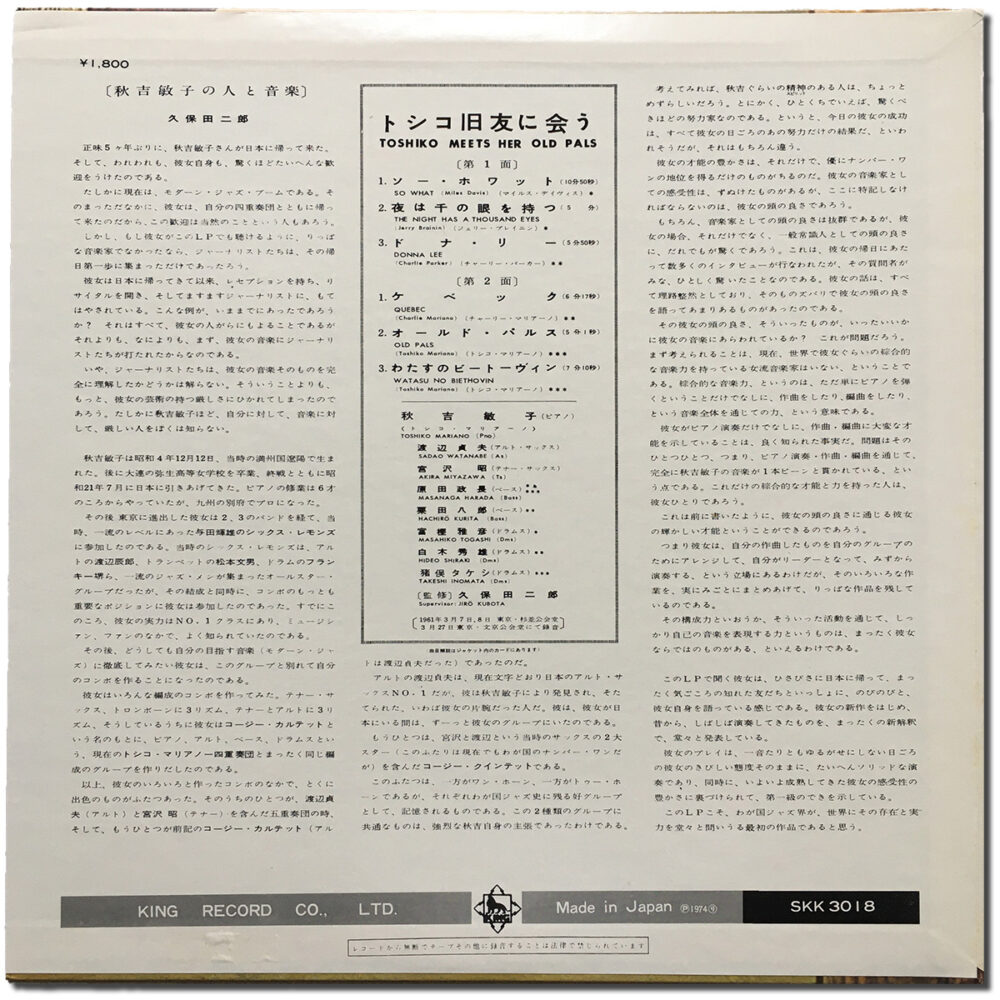
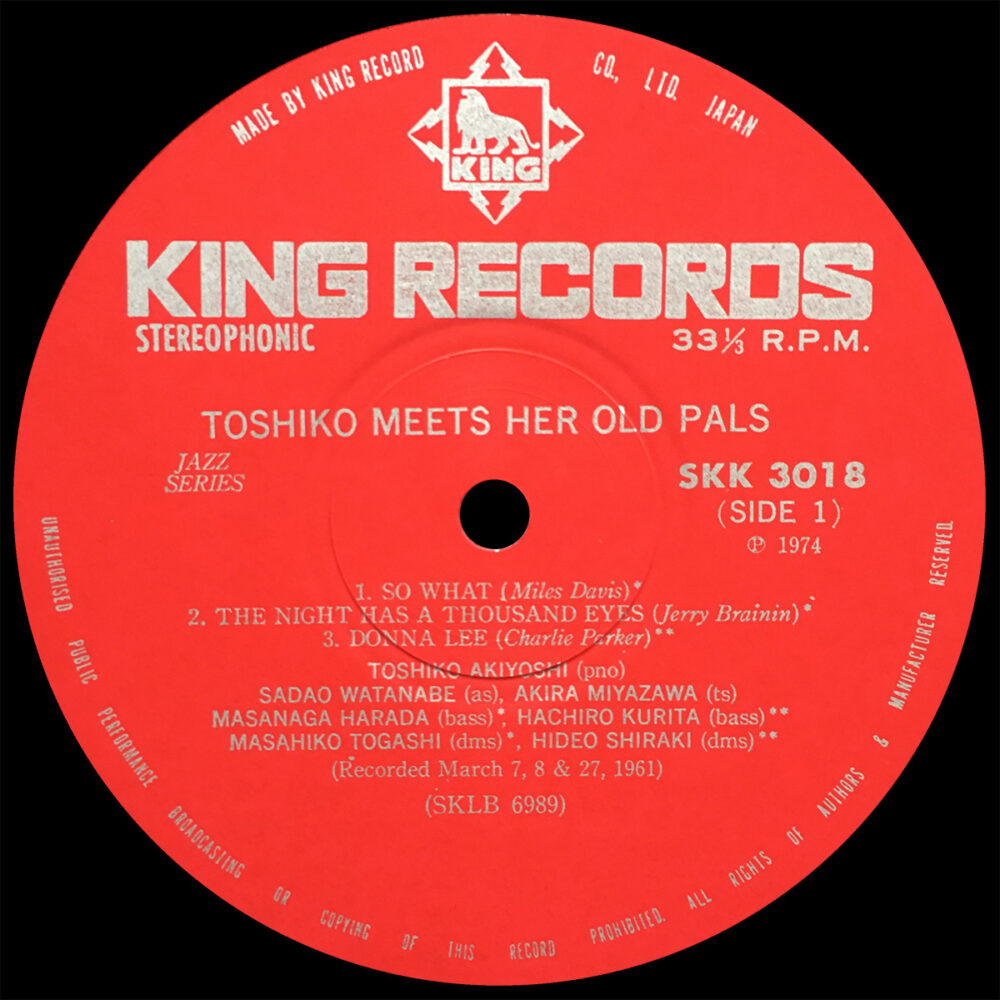
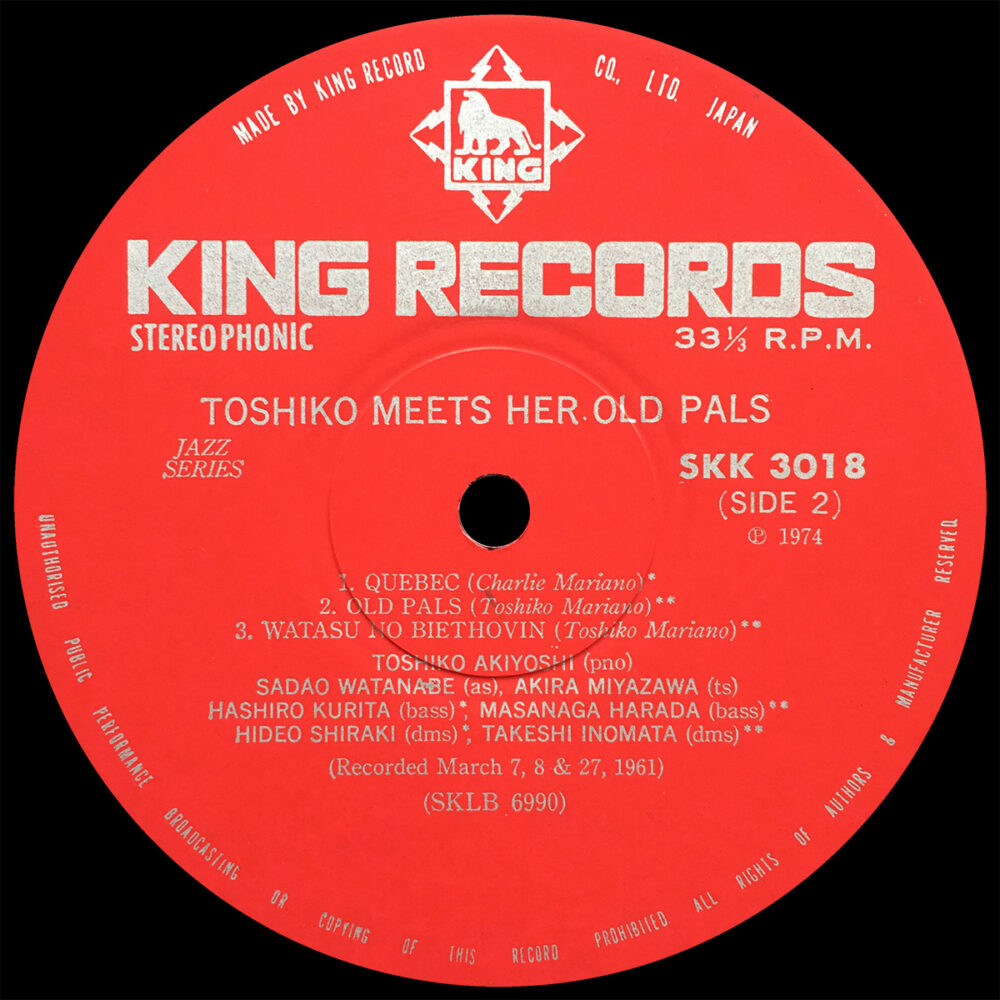
Recorded March 7-8, 1961 at Suginami Koukaido (Suginami Public Hall), Tokyo and March 27, 1961 at Bunkyo Koukaido (Bunkyo Public Hall), Tokyo
| 1 | So What | |
| 2 | The Night Has a Thousand Eyes | |
| 3 | Donna Lee | |
| 4 | Quebec | |
| 5 | Old Pals | |
| 6 | Watasu No Biethovin |
“So What” (Davis)
“Quebec” (C. Mariano)
Seems like a fairly shortsighted opinion rooted in some sort of stereotype, but I think there’s ample evidence on Toshiko Meets Her Old Pals that the Japanese can play, and yes, some of them can clearly swing too. I was introduced to this album through my friend, Clifford Allen. He brought it to a jazz collector meetup at my apartment one night. Being that Clifford is in the habit of bringing rare avant-garde to my place, my ears perked up when I heard hard bop coming through the speakers.
Above all, I was immediately and utterly floored by the fidelity of this recording. The realism and detail is incredible, especially for 1961. The piano breathes and the tightly-tuned drums snap. Recorded in Japan, the wider spread of the instruments reminds me a little of several legendary American recording engineers including my favorite, Mr. Rudolph Van Gelder, and while I normally prefer the more ‘colorful’ sound coming out of Van Gelder’s Englewood Cliffs studio at this time, it’s hard to deny the jaw-dropping brilliance of more ‘accurate’ recordings like this.
Toshiko Meets Her Old Pals was recorded in two public halls in Tokyo, one of which was renovated and reopened in 2006 (Suginami), the other, according to Discogs, was demolished in 1977 before a new Civic Hall was built on the same site with the same name (Bunkyo) in 1994. The favorably dry sound of this recording leads me to speculate that either significant acoustic treatment was used in a more cavernous space or the album was recorded in smaller, less reverberant rooms…perhaps a combination of both.
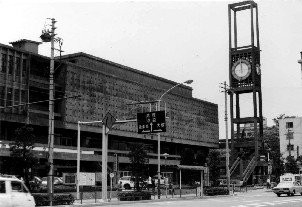 |
| The original Bunkyo Public Hall, Tokyo (via Discogs) |
I was debating between seeking out this 1974 stereo pressing on King, the original label, and a compact disc reissue, both products of Japan. Copies of this album in any format are less than easy to come by, especially the LP presented here and especially here in the states. As far as original pressings go, one might prematurely conclude that this album went unissued for over a decade after being recorded (I couldn’t find any evidence of original labels on the web). But careful investigation of Popsike reveals two deep groove copies, one mono and one stereo, sold on eBay several years ago.
Once again the Japanese have provided ample evidence of their vinyl-making mastery: the dead-black background of this pressing’s sonic palette was another thing that won me over the first time I heard it. As a result, I had it on my radar for several months with nothing in sight. Finally one popped up in the U.S. of all places, and I was fortunate to find a copy just as lovely as Clifford’s.
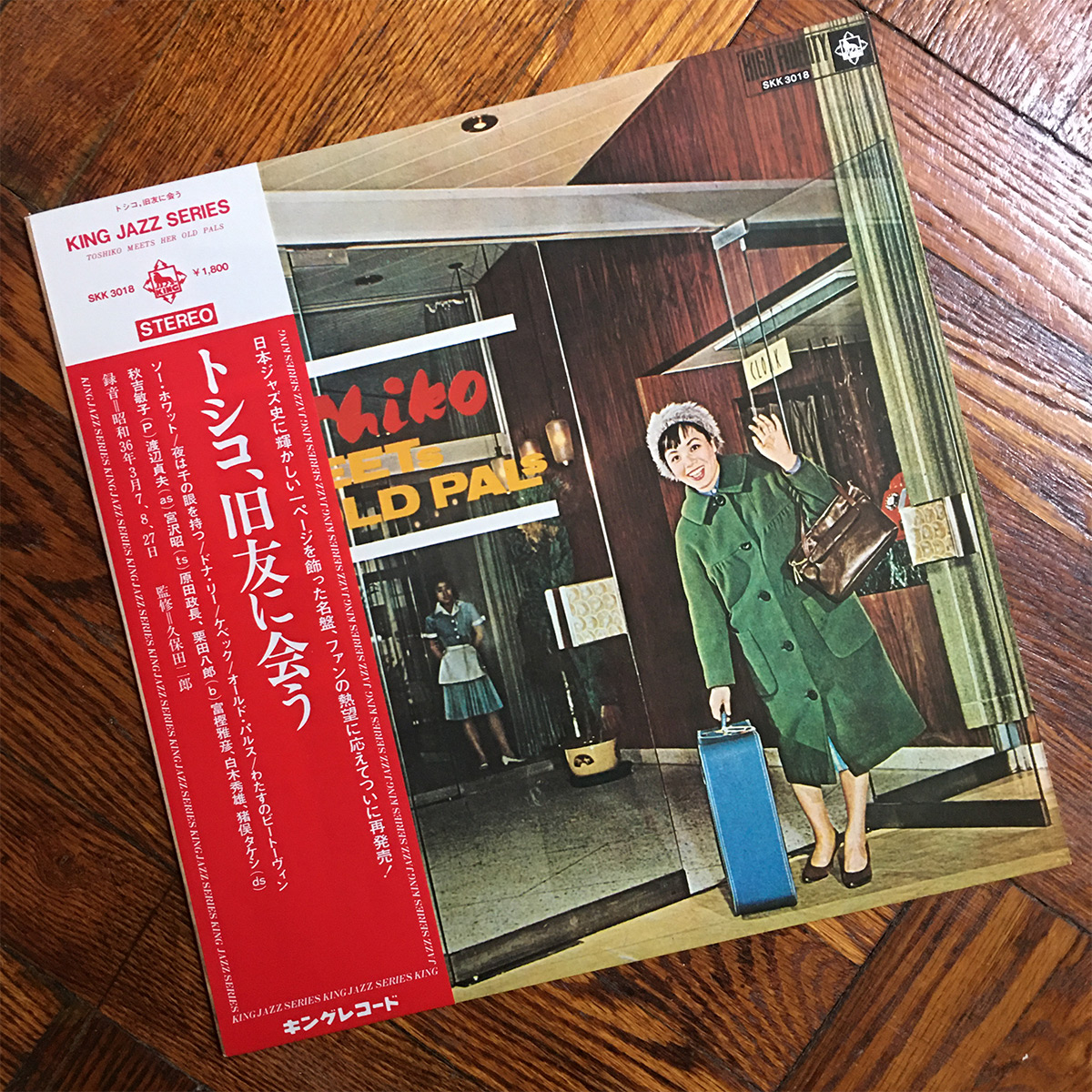 |
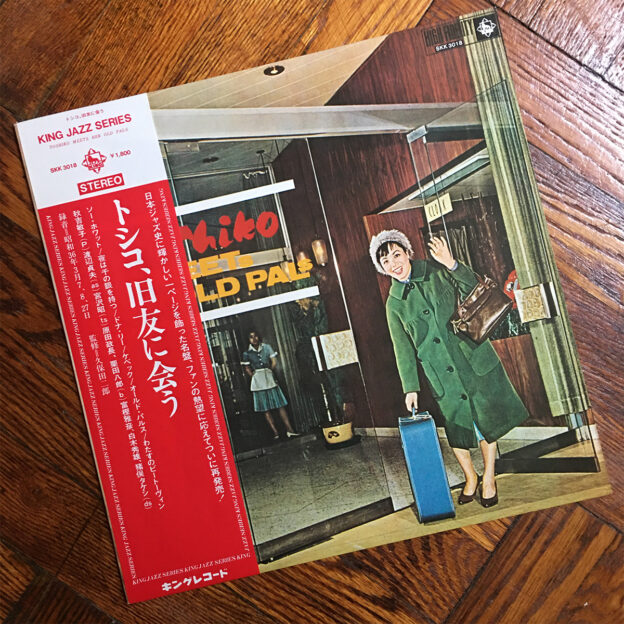
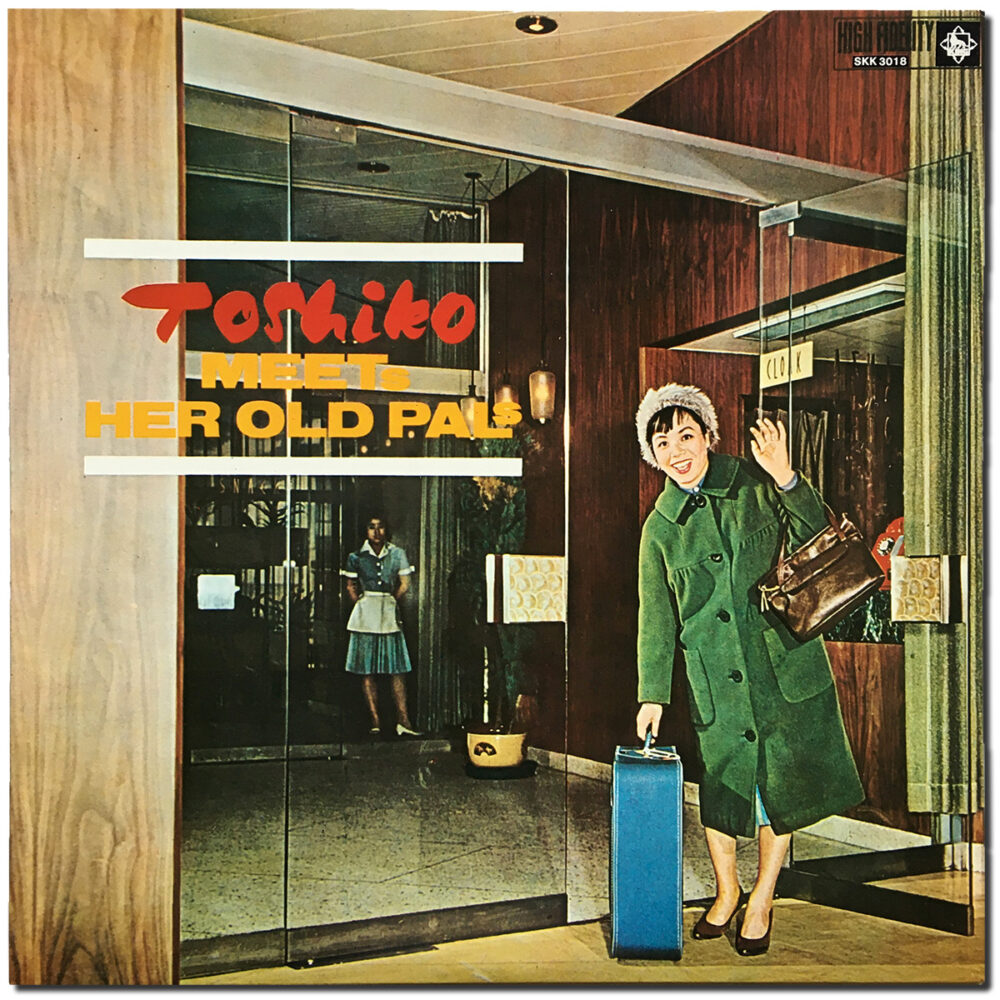
| What’s not to love about the midcentury design of this building lobby, the bright red, extra-wide OBI, and our leader’s beaming cuteness? |
I gather that Toshiko is well-known in the jazz collector community. Perhaps she has an allure that is the result of being different, sort of like the new kid in school. Beyond that, I can’t say I know any collectors who are deeply steeped in her catalog. A ten-inch LP of hers was released on Norgran in 1954, with two releases by Boston label Storyville following in 1956 while she was a student at Berklee (catalog numbers 912 and 918). Then in 1957 her live Newport festival performance was paired (rather oddly) on a Verve split-LP with accordionist Leon Sash. After laying to tape a trio LP for Verve later that year, Toshiko led another studio date in ’58, this time for the Metro Jazz label. Still based in New York two years later, Toshiko was no longer Akiyoshi, having married fellow musician Charlie Mariano, and in late 1960 she recorded Toshiko Mariano Quartet with her new hubby for Candid at Nola Studios.
Then we arrive back here. Rather, she arrived back in Japan after spending a good amount of time in America, and she quickly got to work recording. Toshiko’s first move here is bold, covering “So What”, a new classic all but two years young back in 1961. The band has a tendency to imitate their American counterparts, dodging in and out of moments of gratitude toward the original Kind of Blue session musicians. This tribute-style of playing caught me a little off-guard at first and I wasn’t sure whether to make heads or tails of it, especially with a negative stereotype of Japanese jazz musicians looming overhead. So I tapped Swami for his take. Always a man of few words with understated, deep musical knowledge, Clifford agreed about the band’s referential style but also found it “interesting”. ‘Nuff said.
At the end of side one the band smokes through Charlie Parker’s “Donna Lee”, then upon turning the record over we find the album’s crown jewel, “Quebec”. Composed by the leader’s then-husband Mariano, the tune helps the band find a mellow, slow-burning groove where Toshiko and her pals are at their best. The follow-up is “Old Pals”, an adorable blues penned by Toshiko herself. The rhythm section gets a makeover here as they do throughout but the small-room sound and intimate vibe remain.
Since the recording of this unsung classic, Toshiko has released dozens of albums and remained active as a recording artist up to the present day. And at 90 years old, one can be sure that she looks back on recording experiences like this with smiling eyes.
In my time collecting vintage jazz LPs I have always been curious about jazz from the bebop era, which for the most part was originally released on 78 R.P.M. shellac disks. Listening to digital reissues of music from artists who thrived in the 1940s like Charlie Parker, Thelonious Monk, and Lester Young was educational, but it still felt like it left something to be desired. Not only did that feeling accompany me when listening to vintage twelve-inch LP compilations of this material, I always felt that if I’m going to go back that far to get closer to the original listening experience, I might as well go all the way to the 78s — assuming I could find them.
But the prospect of studying and acquiring different, older equipment always loomed overhead, and as a result I hesitated to jump into the 78 game. Finally last year I decided to start simple, purchasing a Califone portable player and an original 1948 pressing of Thelonious Monk’s “Evonce” backed with “Off Minor”. The listening experience did not disappoint and my appetite was whet for more.
Months went by and I hadn’t given the medium much thought. I blindly bought a few 78s cheap at a record fair that were recommended by of one of the dealers, but they didn’t quite match up with my taste. I bought another Monk 78 online but returned it for groove wear issues. But then a couple months ago, frustrated with the trendiness and high cost of collecting vintage jazz LPs, I got inspired to purchase a handful of jazz 78s. For the most part this batch of shellac disks sounded great but the Califone was having some trouble tracking a couple of them. Noticing that the grooves of these records were extremely clean led me to hypothesize that the Califone may have had some unique troubles tracking 78s that were either cut hot or cut with a lot of bass.
Upgrading to an Actual Turntable
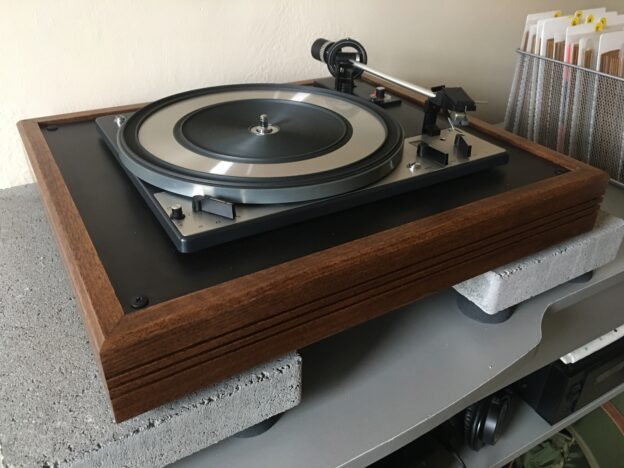
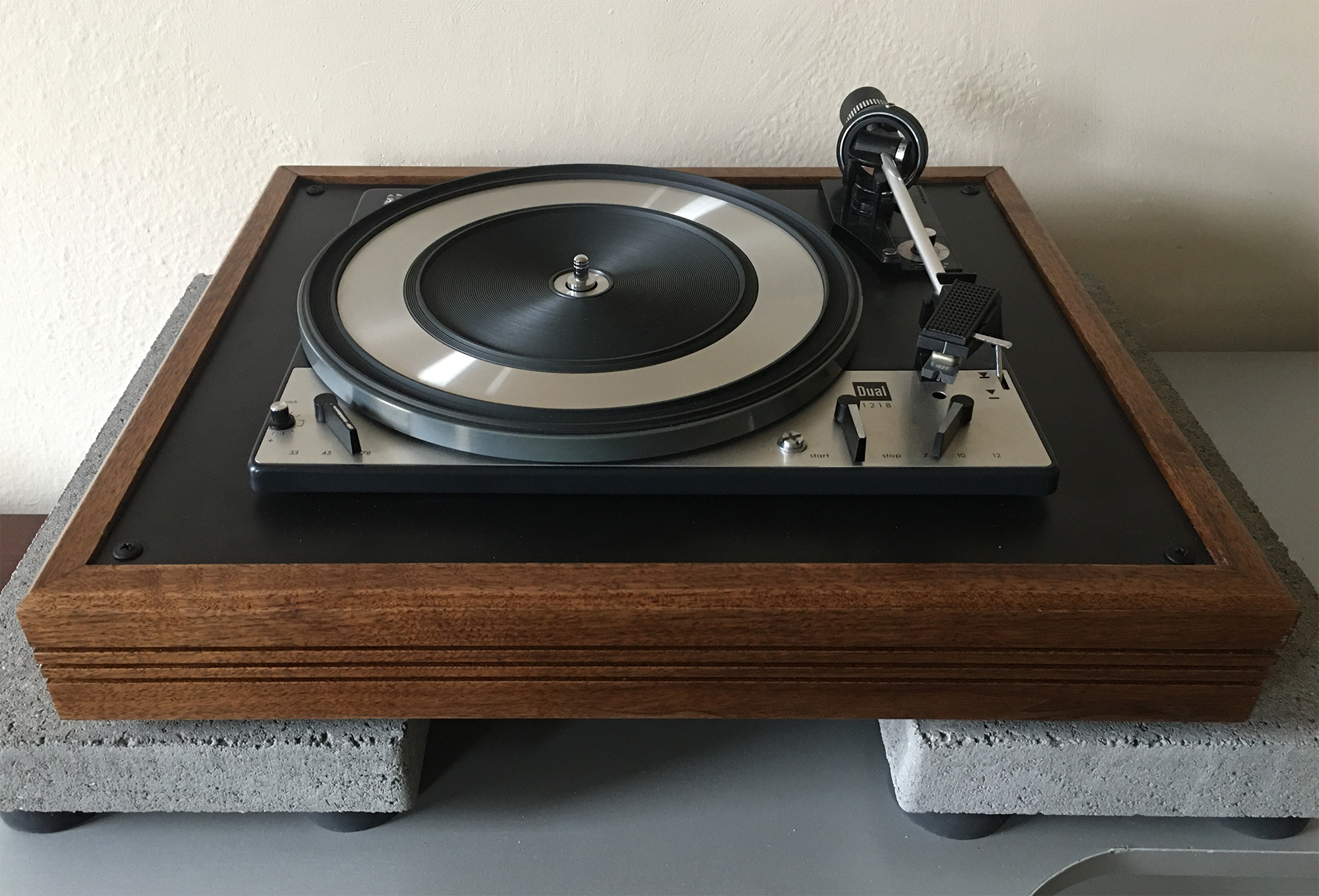
The overall experience with these new 78s and the Califone was nonetheless positive, which motivated me to investigate other playback options. I soon learned that idler wheel German-made Dual turntables from the 1960s have a good rapport with 78 collectors. So I started searching and soon settled on a model 1218 for sale on eBay.
When I got the table I was virtually clueless as to how it worked and needed to consult an online manual. The auto-play functionality was a bit baffling, as was the proprietary tonearm counterweight mechanism and headshell. After testing it out, it became clear that the seller had cleverly sidestepped any description of playback issues present: “It powers on and the platter turns fine. It works but I am selling as-is due to its age.” That was all quite true, but there were a couple glaring issues: 1. The turntable would not stop, and 2. The auto-return mechanism was malfunctioning.
Through all this, I was able to mount a cartridge and give a few records a spin. I was impressed by what I heard and frankly a little surprised. The speed was extremely stable and the sound was bold and clear. This gave me hope, so I found a seller on eBay who said they service Duals and I reached out to ask him about servicing mine. He said he doesn’t like to have tables shipped to him, so believe it or not he then proceeded via text and phone to guide me through all the necessary modifications my deck needed. Over the years I’ve gotten decent at making mild adjustments, but I wasn’t used to making repairs like this. After a couple hours though, when everything was done and my table was running smooth, I was quite proud of what I had accomplished with the guidance of my new friend.
Finding a Cartridge-Stylus Combo
Without overthinking it I chose to start with a Grado 78C cartridge, which I chose mainly for its ability to track at a higher force of five grams. (I have never shied away from tracking force. Not only have I found that more force helps alleviate surface noise, I have always been skeptical of the theory that more liberal settings will ruin records.) When I gave the Grado a test run, the sound kind of blew me away, and no tracking issues like I had with the Califone. But after several listens, it eventually became apparent that there was some ground hum in the system, hum that wasn’t present when I was testing playback with a Shure M44-7. After doing some research, I learned that Grado cartridges are unshielded, which causes problems with some turntable pairings.
At this point my 78 cartridge knowledge was still limited, and the next attractive option was the Audio-Technica VM670SP, which also tracked at five grams. But there was something underwhelming about it. It was kind of ugly and clunky-looking and rode extremely close to the record surface. My disapproval may not have been all that much about what I was actually hearing, but I had audiophile friends who I knew would back me in making cosmetics factor into my equipment choices. So I pushed on looking for something more ideal.
It was then that I got talking to a new vinyl mastering engineer friend, Bill Pauluh, who is an adamant 78 collector. He spoke highly of the Pickering V-15 cartridge and all of its seemingly infinite incarnations. So I found a couple vintage V-15 bodies and a variety of styli: 3.0-mil and 2.7-mil for 78s and 0.7-mil for microgroove LPs. Some were original equipment manufactured (O.E.M.), others were generic “repros” made by Pfanstiehl.
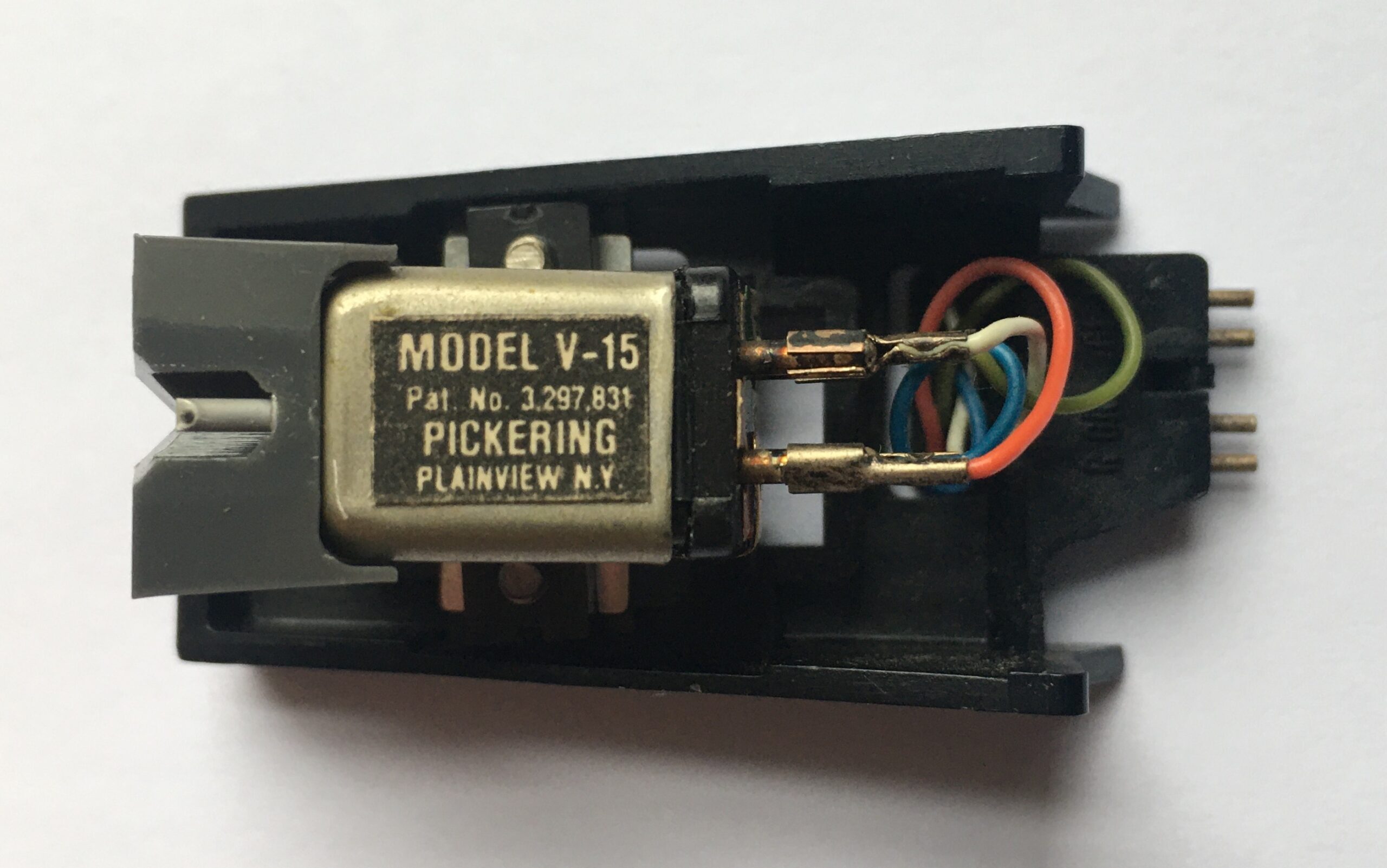 |
| The majestic underbelly of the Pickering V-15 phono cartridge in all its glory |
Shootouts
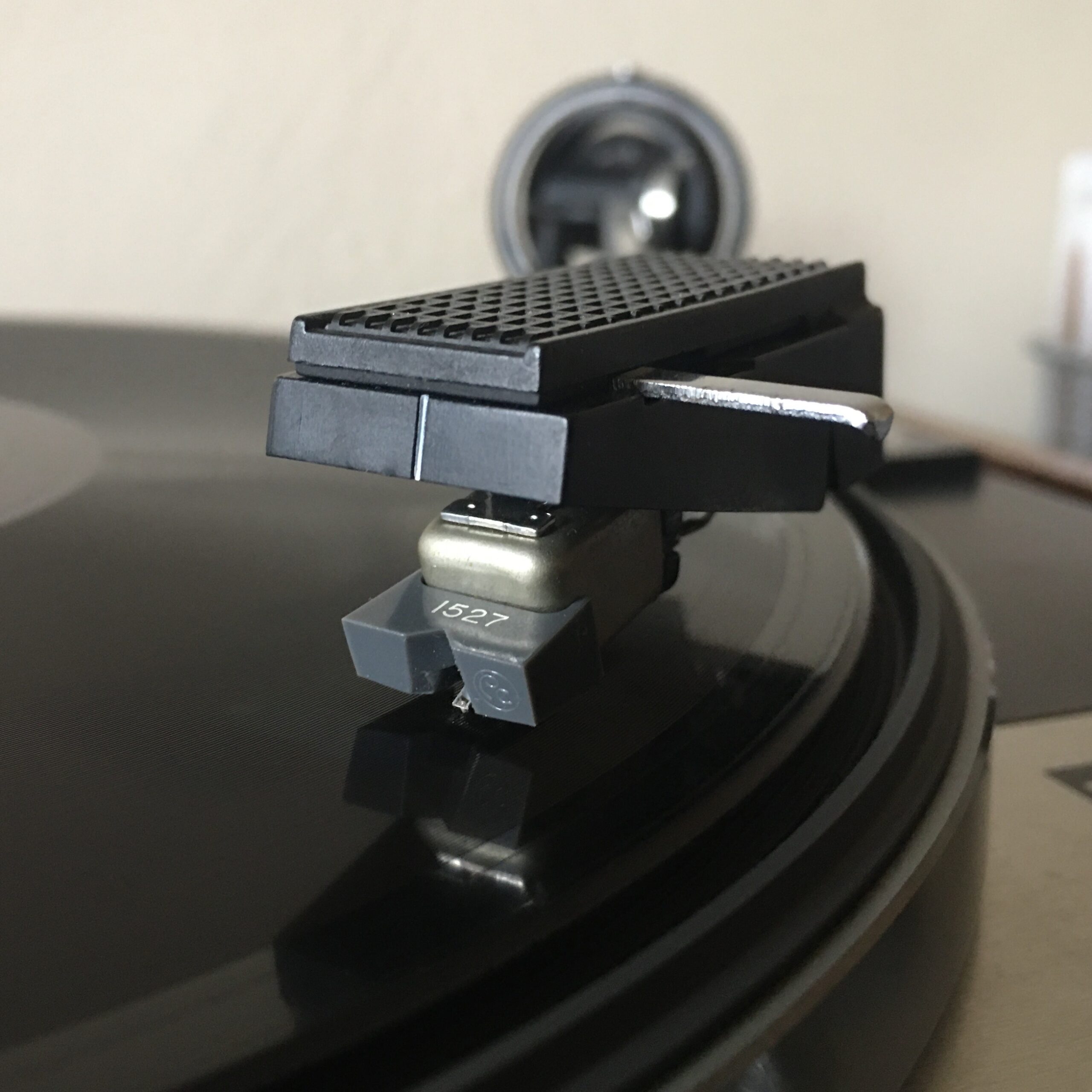
First I compared the bodies of an original Pickering V-15 cartridge with a later V-15/AME-1 (I have been told that all V-15 model number variations are identical to the original mechanically). Using the same stylus for playback, there was no difference detected. From there I compared 78 playback with the OEM Pickering D1527 2.7-mil stylus and the repro Pfanstiehl 4604-D3 3.0-mil, both sporting conical tips and both tracking at five grams.
Three key differences arose. First, the Pfanstiehl had a slightly brighter top-end — not necessarily an advantage considering that the high-frequency response of most 78s is fairly limited. Second, at certain moments the 2.7-mil Pickering handled surface noise better, yet at other moments — on the same record — the 3.0-mil Pfanstiehl did! These differences were subtle though and took some serious critical listening to detect.
 |
| Pickering V-15 in action with original D1527 stylus |
Finally and most significantly, for a few of my 78s there was a sort of swooshing noise with the wider Pfanstiehl. With the narrower Pickering, I was kind of shocked that the noise was completely absent. In the past when I have compared 0.7-mil and 1.0-mil styli with microgroove LPs I never heard this type of dramatic difference. Moving forward, I wonder if the 2.7-mil Pickering will always outperform the 3.0-mil Pfanstiehl in this way; for all I know it will be the opposite sometimes. So while I have found myself going to the Pickering regularly, I’ve decided to keep the Pfanstiehl in the mix.
Playback with Pfanstiehl 4604-D3 Stylus:
Playback with Pickering D1527 Stylus:
Phono Equalization
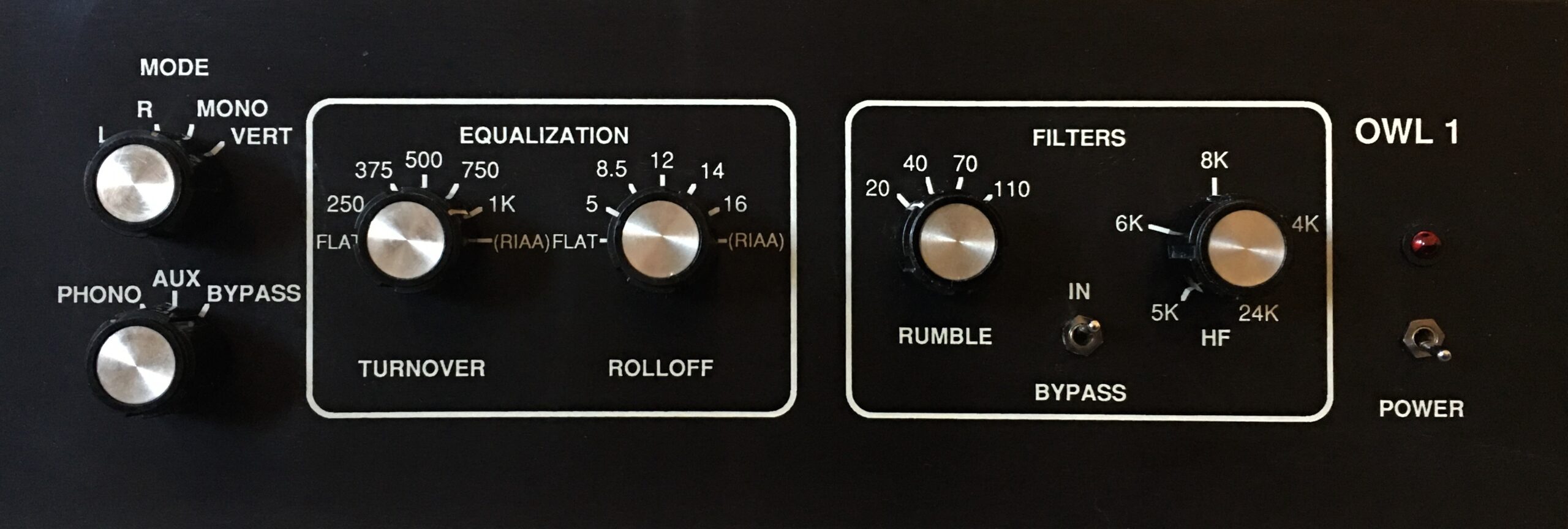
Through volunteering at engineer Rudy Van Gelder’s studio I became acquainted with his playback equipment, which included a very cool phono preamp that I had never seen before. Introduced in 1983, Conductart’s OWL 1 was designed for playing mono 78s and early mono LPs on modern stereo equipment. By default the OWL sums the input from a stereo turntable to mono, and from there the user has oodles of options for how to equalize the signal.
 |
| Conductart’s OWL 1 phono preamp |
There was no collective standard for phono equalization before the RIAA curve was universally adopted around 1954, about five years into the LP era. This meant that each record company’s 78s and early microgroove LPs emphasized different bands of the frequency spectrum, which would result in a variety of different playback equalization curves when being played on a system that lacked the necessary adjustment features (sometimes a “tone control” was included on older equipment as an economical compromise). Accordingly, the OWL 1 gives you a variety of settings that accommodate all the various phono EQ curves from the time before the RIAA standardization.
When I first found out about the OWL 1 I had an interest in both ten-inch and twelve-inch LPs made in the early 1950s so I decided to look for an OWL 1 for myself. After several months of scouring the internet with no luck, an audience member at one of my Rudy Van Gelder talks just happened to mention having one. Instantly I asked, “Can I buy it?”, and I was surprised by how quickly he agreed.
Though there is information out there on which labels used which curves, I have generally been using the same settings. Conductart provides some of this info in their instruction manual but ultimately recommends that the user simply “use their ears” as a guide to setting the controls. Indeed, those favorite settings of mine coupled with some additional lowpass filtering are a substantial diversion from the RIAA curve that would be standard on any modern phono preamp.
Isolation
The one area where I had doubts about the Dual becoming my go-to workstation deck was that of isolation. Although the plinth that it came with was quite clean, I quickly noticed that there were wow and flutter issues if I was walking near the turntable. Surely I have been spoiled by the insane amount of isolation with my Technics 1200s, but I was really happy with the Dual otherwise so I looked for a custom plinth option. I soon found a good-looking, modestly priced option online, which sported a sturdy walnut frame and thick veneer base. Not only did isolation improve with the new plinth, things are looking much better now as well!
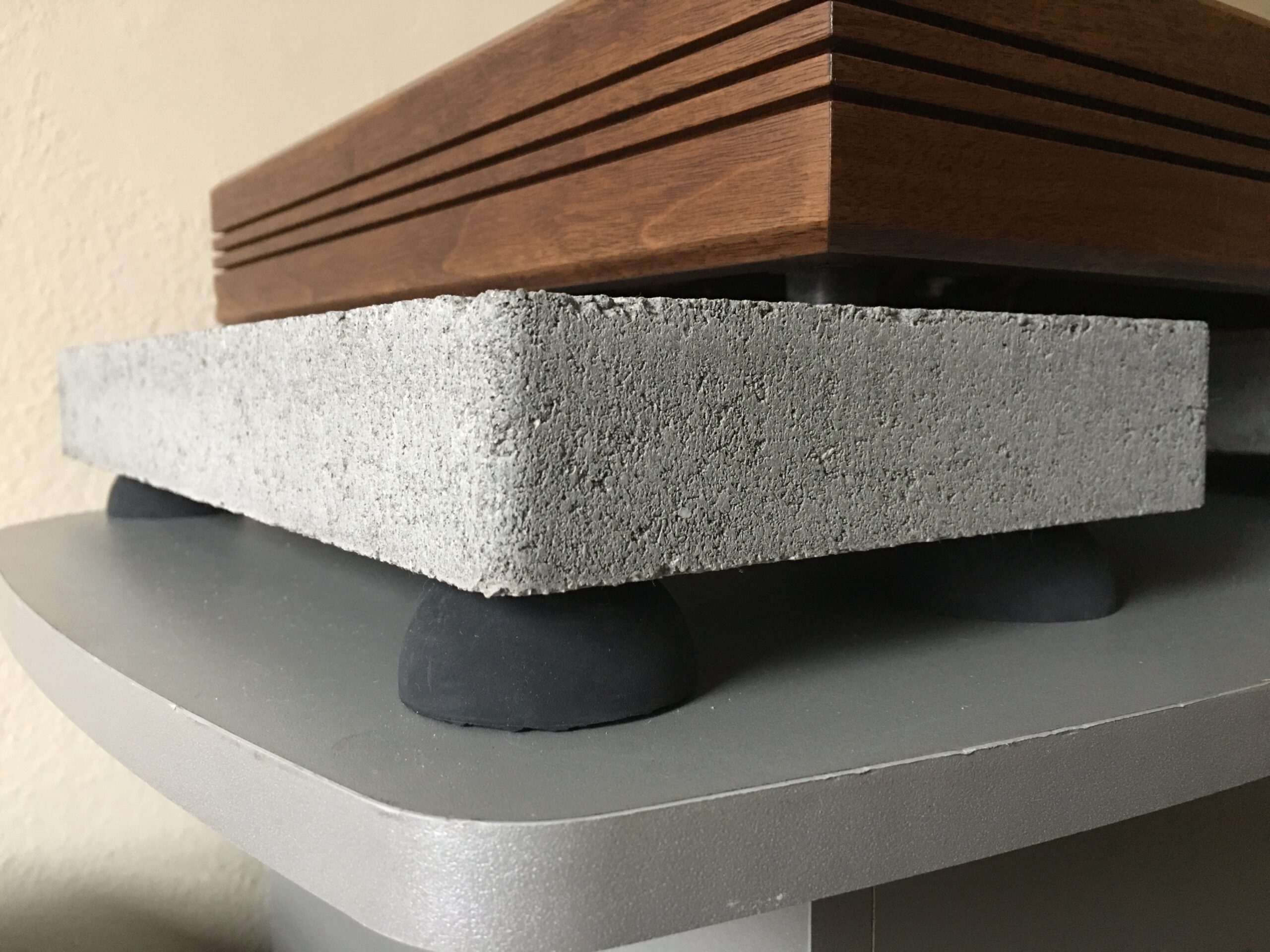
Still I felt isolation could be improved, so after yet another several hours of research and conversations with fellow collectors, I decided to purchase two eight-by-sixteen-inch concrete block slabs from Home Depot, place them under each pair of legs, and I decoupled the slabs from the tabletop with eight racquetball halves, four for each slab. While I’d say the isolation of a 1200 is still superior, I’d also say there was improvement in isolation at each of the two phases of this process.
 |
| Closeup of cement base with racquetballs used for decoupling |
My Pride and Joy
I have been pleasantly surprised that my new setup rivals the stability and low noise of my 1200, and as a result I have been going to this table for playback of microgroove mono LPs and 45s in addition to 78s. Not only has the unexpectedly high performance of the 1218 allowed me to use a single deck for all my needledrops and critical listening, I have also been feeling a greater sense of pride with it as a consequence of getting it up to spec with my own labor. I also have a soft spot for cost-effective equipment that performs at a high level.
There is also something neat and special about idler wheel design. It may just be that I like the idea of a simplistic mechanism like a pulley spinning a rubber wheel which in turn spins a platter; perhaps I am also a little in awe of just how stable the speed can be under such circumstances. Either way, my new Dual 1218 is giving me joy in a way that my tried-and-true Technics 1200s — tables that have faithfully been with me since 1998 — never have.
And what better way to end my report but with a video needledrop of the new setup in action! Keep an eye out for my new “Shellac Spotlight” column here on the blog!
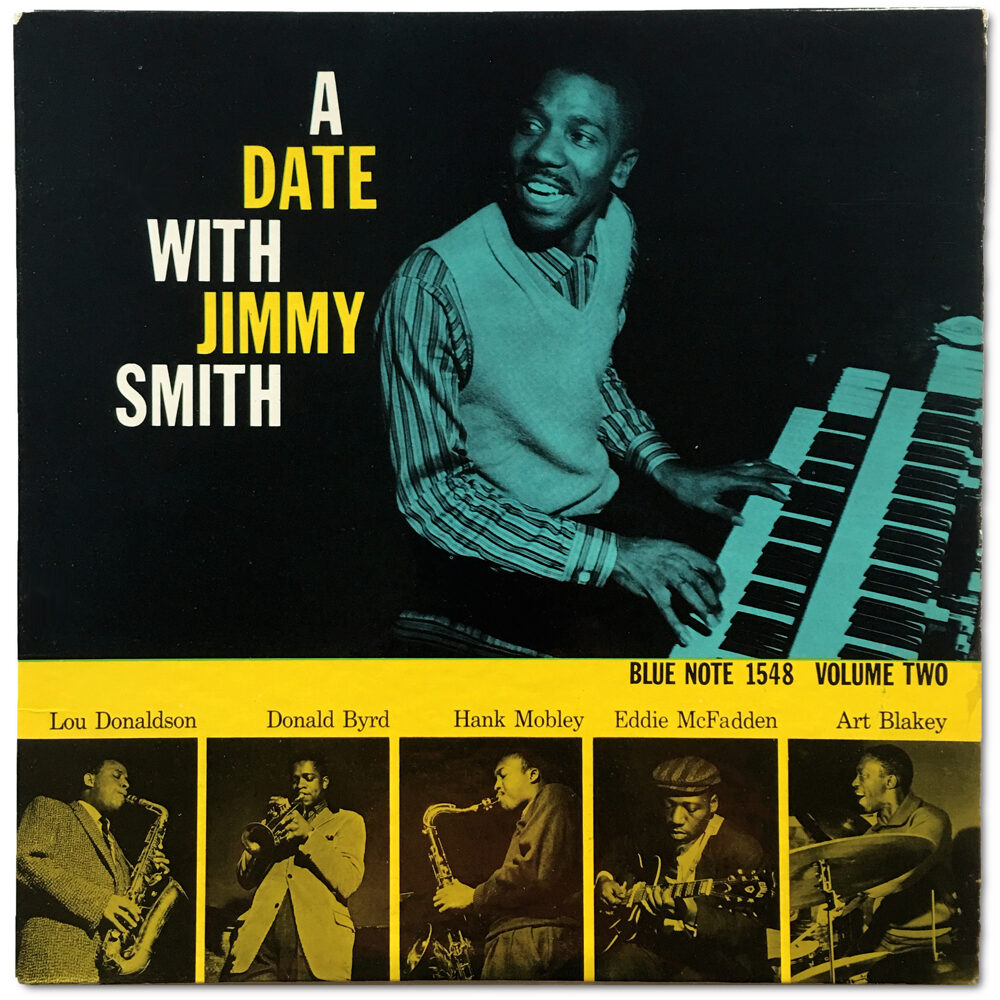

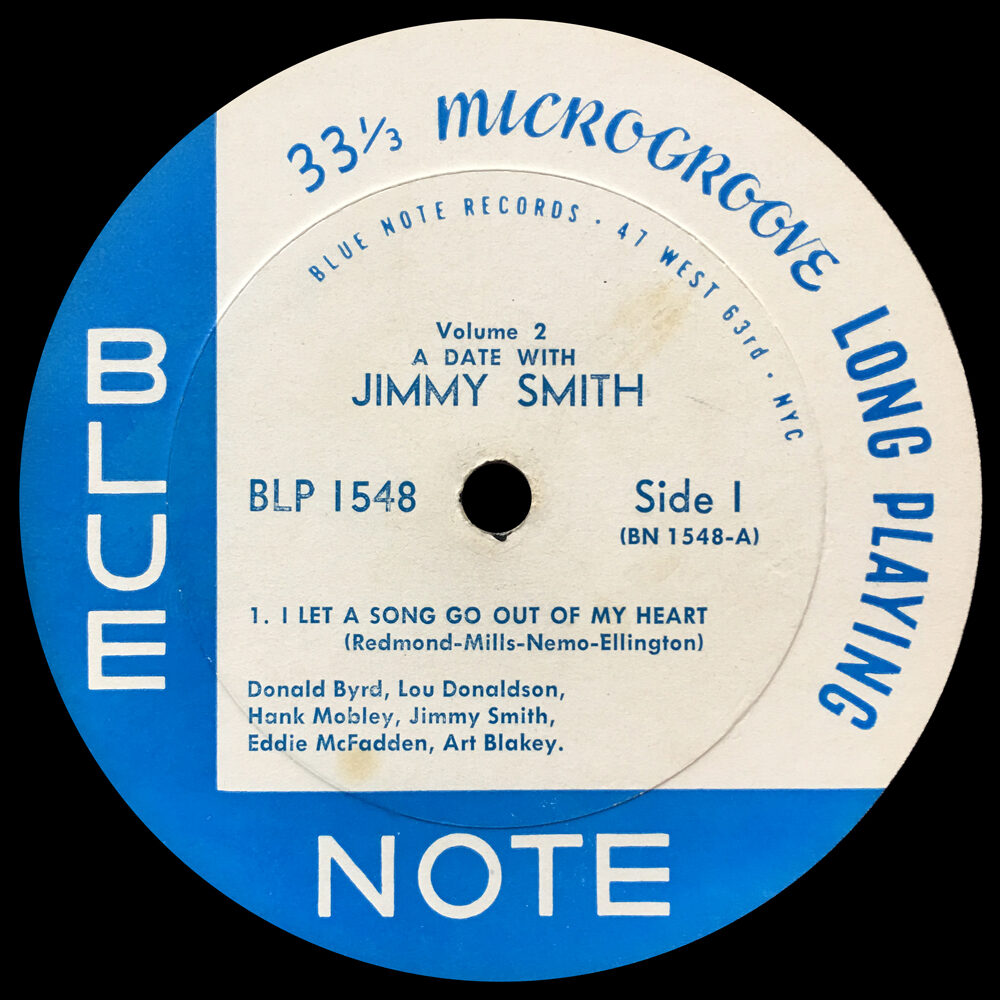
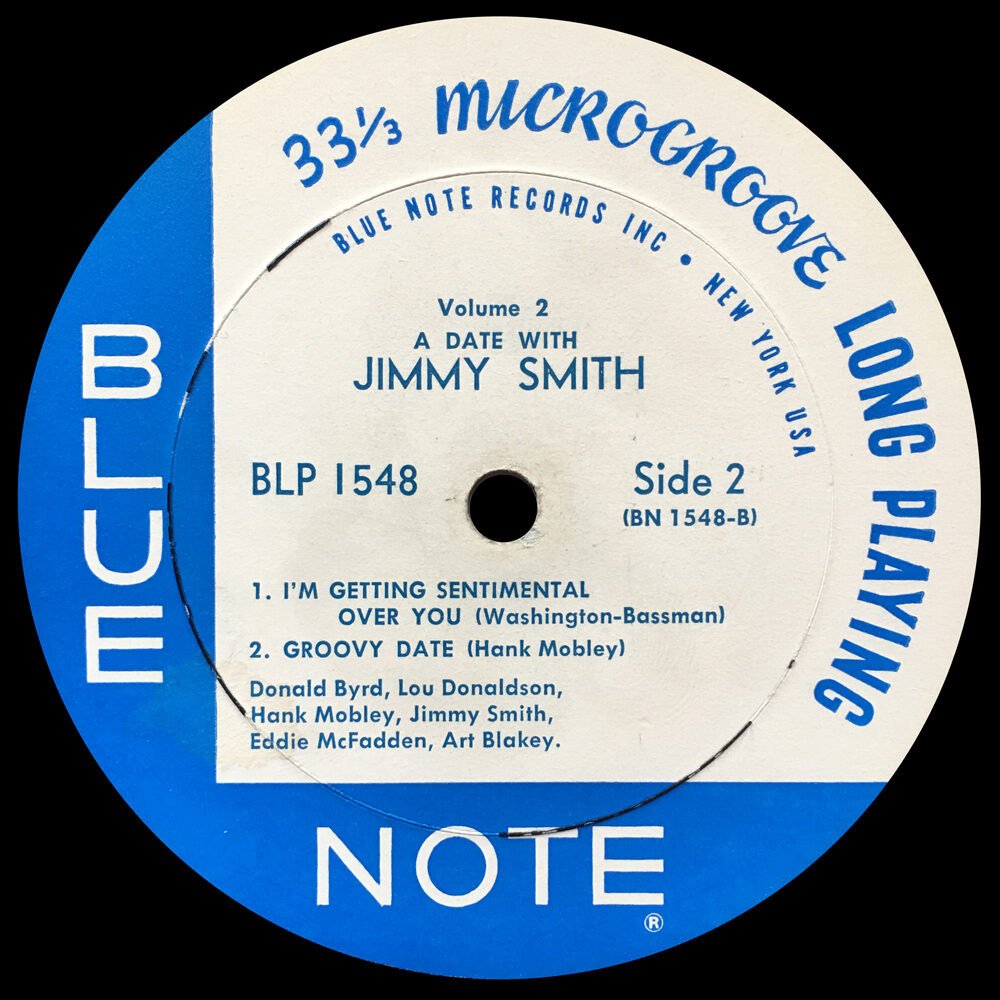
Recorded February 11 & 12, 1957 at Manhattan Towers, New York City
Originally released September 1957
“Groovy Date” (Mobley)
When I started collecting, I bought into the popular opinion that Jimmy Smith isn’t “collectible” and didn’t pay him any attention. But then I found a great 1965 German documentary on him serving as evidence of how “incredible” he really was. From the live performances where he plays with so much heart and frankly, tears it up, to the interview moments where he communicates his philosophy of jazz and music in general so well, I decided to start listening. So I made a Spotify playlist of all his Blue Note albums, put it on shuffle while I worked, and a couple weeks later I had a condensed playlist of favorites (you can hear that playlist on Spotify now). One of those songs, “Groovy Date”, is from this LP. The sheer power with which the song opens and closes was enough to make me hit the “heart” button, and the solos from all the members do not disappoint.
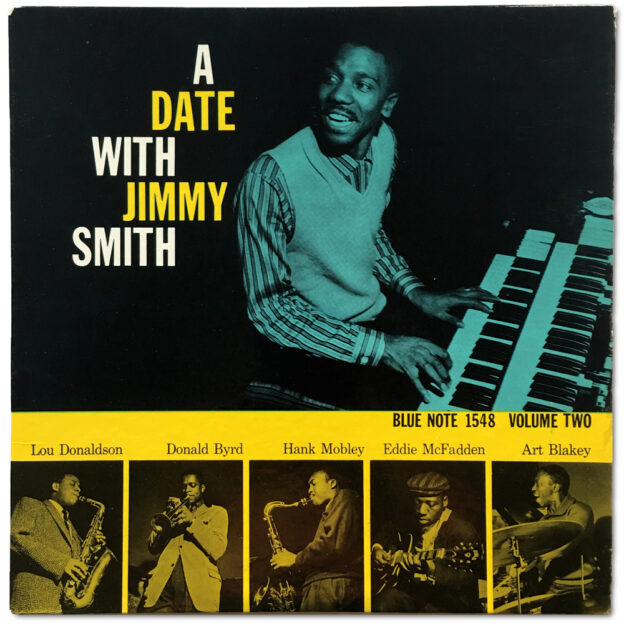
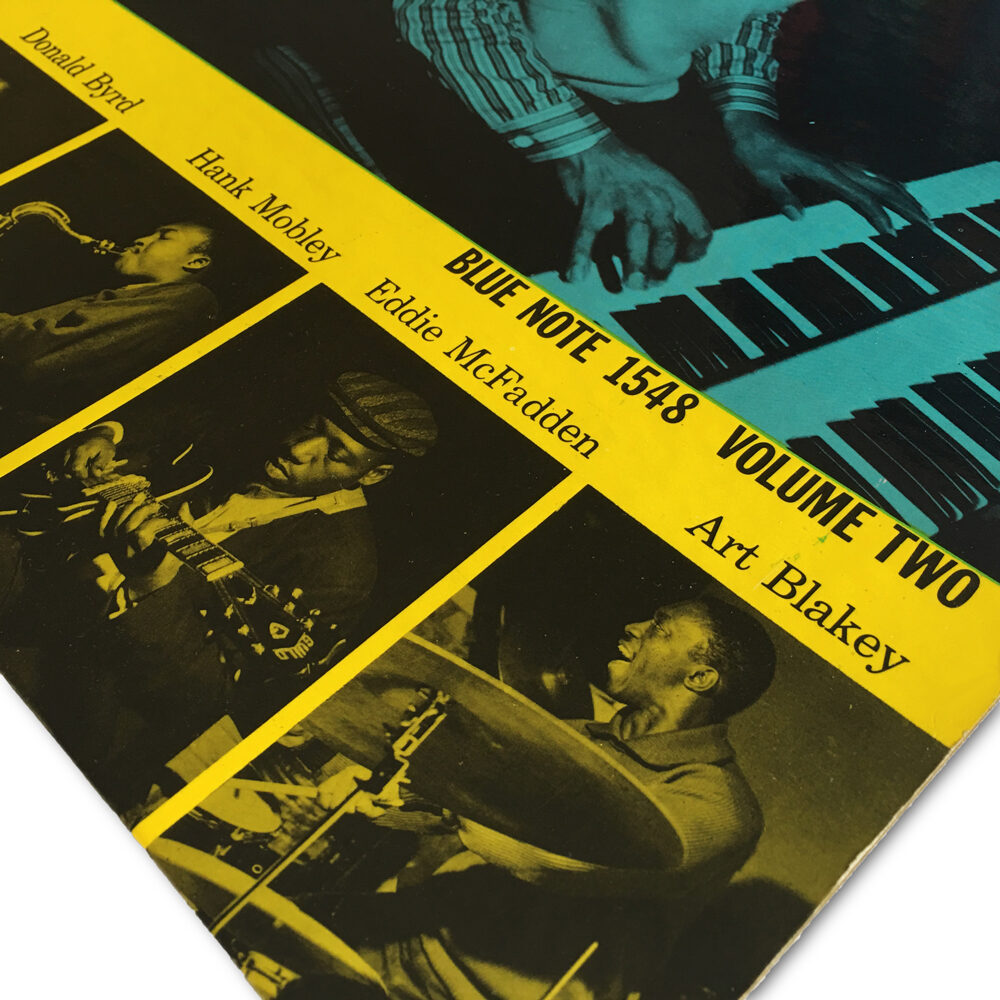
Despite this album being available only in mono regardless of format, many Smith Blue Notes are only available in stereo as reissues. So I decided it would be both worthwhile and cost-effective to pursue these albums in their original mono LP incarnations. Since Smith originals are so readily available, I quickly acquired six of them. This one was a little harder to get online, but then one day I was in a local shop and they had this copy for cheap. The cover looked great but the vinyl was pretty marked up. It doesn’t play with any skips, and aside from “Groovy Date”, it can be a little noisy. That’s fine with me because my favorite track sounds bold and clear, and I basically chalk this up as paying a fair price for a single song and a great cover (I love the photos of the musicians, the layout, and the color scheme).
As for one of my favorite topics, sonics, this is one of a handful of Blue Note albums recorded by Rudy Van Gelder that wasn’t recorded at one of his studios or a live venue. For years I noticed the recording location “Manhattan Towers” for various Blue Note recordings on jazzdisco.org but never knew what it meant. But then, one day I was lucky enough to speak with Blue Note producer and archivist Michael Cuscuna about it, and he explained that Blue Note had worked out a deal with Manhattan Towers, a hotel in New York City’s Upper West Side, so bigger bands could assemble in their ballroom (Art Blakey’s percussion ensembles, Sabu Martinez) and important artists like Smith who liked to record at night could jam after the normal Hackensack business hours (Van Gelder’s neighbors were known to complain about the noise late at night and his parents lived there).
In writing this article I did a little research and found this cool New York Times article from 1974 explaining that the hotel, located on Broadway between West 76th and 77th Streets, was crime-ridden! (One has to wonder if it was similar or becoming more that way in 1957!) You can hear the massive size of that ballroom on these cuts. The horns, organ, and guitar still sound quite immediate and up-close, but the reverberation of Art Blakey’s drums is true to the space’s larger size. Stay tuned as I review more of Jimmy Smith’s classic Blue Note recordings in the coming months.
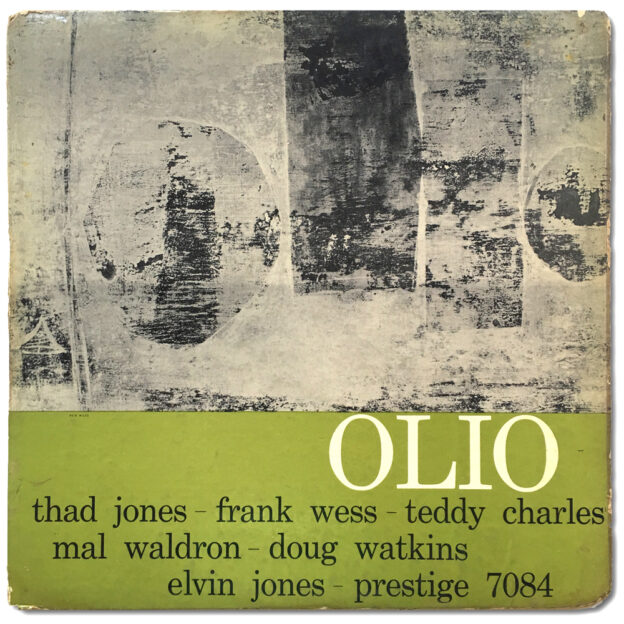
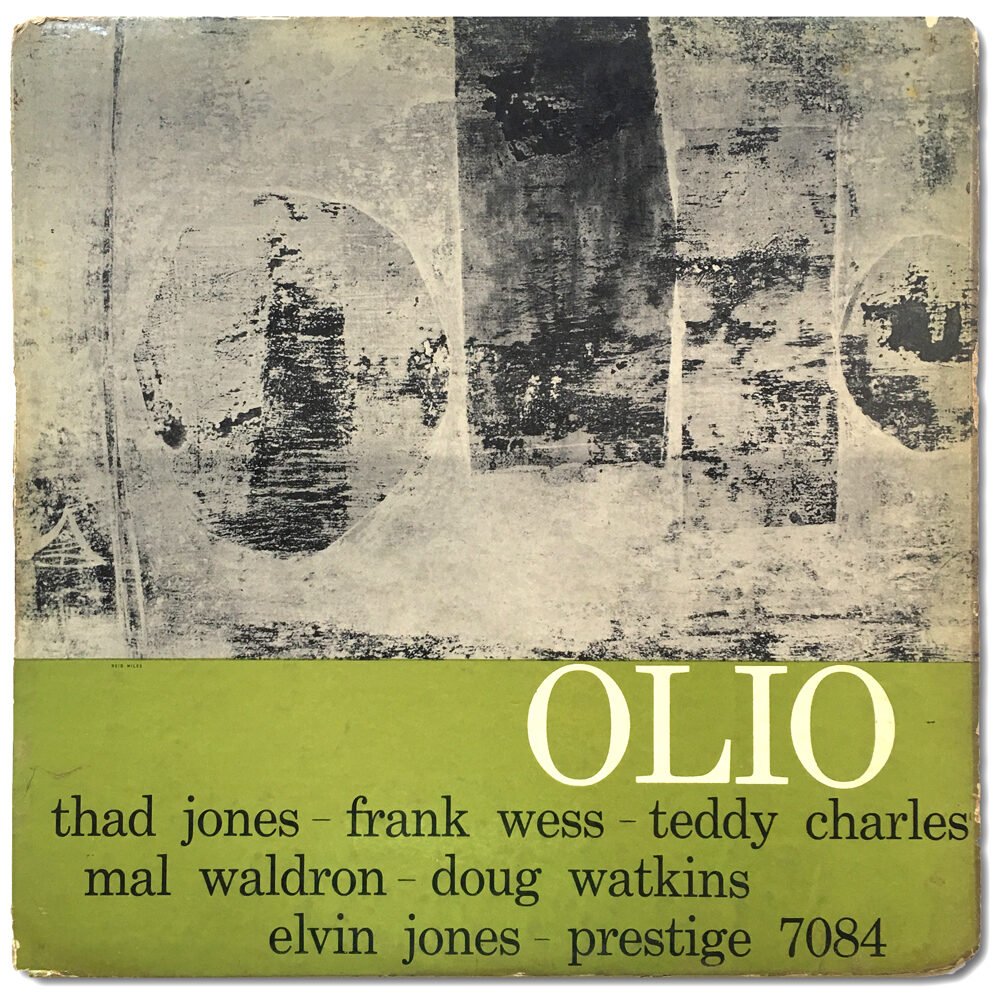
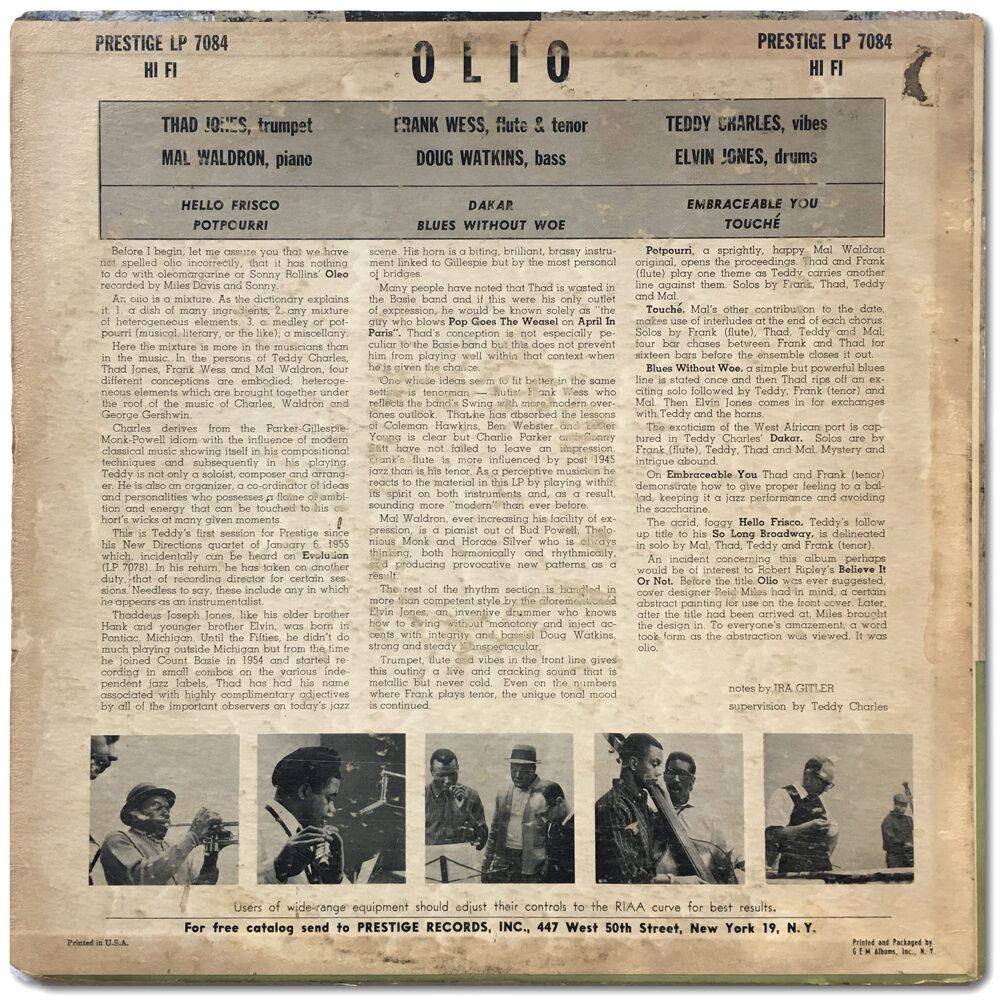
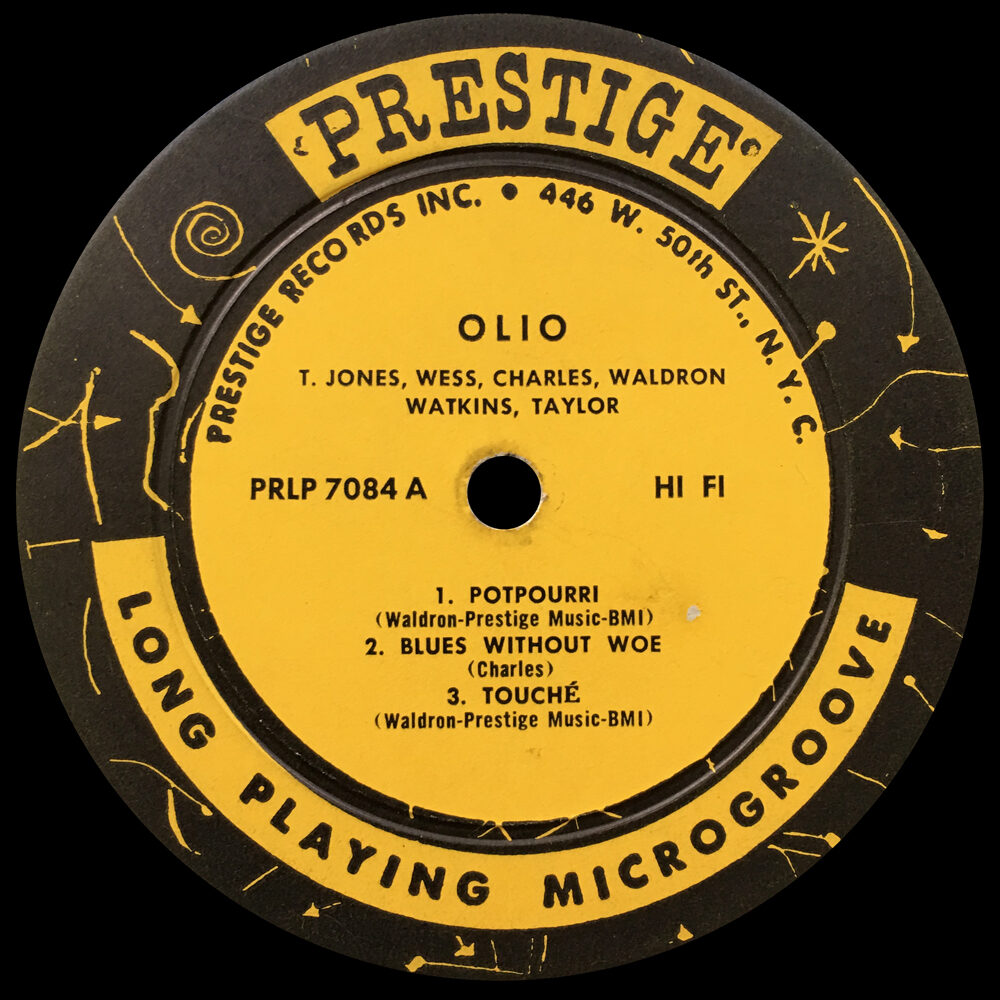

Recorded February 16, 1957 at Van Gelder Studio, Hackensack, New Jersey
Originally released in 1957
“Blues Without Woe” (Charles)
It’s rare that I hang on to a record in VG condition, but this record has a couple things working for it: 1. Despite the pops and ticks, it has no groove wear, 2. I got it for (the vintage jazz record collecting equivalent of) a dollar bin price, and 3. The music and performances are both spectacular. Like my copies of Saxophone Colossus and Coltrane Live at Birdland, this was a “jazz genre section” find. Unfamiliar with the music, the price tag made me walk it over to the listening station to give it a try, and I wasn’t expecting such great performances and such a sweet sound.
For several months I grappled with the choice of keeping it or selling it, and lately I decided it’s here to stay. The compositions are all top-notch, mostly written by the tag team of Teddy Charles and Mal Waldron. The sound of the recording hearkens back to the days of lo-fi recording, drums softly set back in the mix (although the bass is maybe a little too low) and the soloists are loud and clear up front, providing a unique take on late 1950s jazz recordings. And the solos are fantastic, from “leader” Thad Jones (the leader of these Prestige “jam sessions” is never clear, save their name being first on the cover) to Charles to Waldron to the most gifted Frank Wess, who plays with a breathiness undeniably reminiscent of Lester Young. Thad Jones had a unique tone and was inventive on the level of Sonny Rollins, and Frank Wess plays with unbeatable swing (this record made me realize what I miss with the avant-garde: swing). We also get to hear a young, swinging Elvin Jones on drums, a rare occasion considering the splashy, liberated rhythmic style he would develop and own in the post bop era of the ’60s. Everyone is on point when it’s their time to shine, and though these Prestige dates often get a bad rep for lacking the care and preparation that went into sessions on labels like Blue Note, one can’t help but conclude that this group knew what they were doing when they stepped into the studio that day.
The album maintains a high quality of writing and musicianship throughout. Opening with “Potpourri”, which features Frank Wess on flute, the group then shifts to “Blues Without Woe”, an uptempo hard bop masterpiece. The first side concludes with “Touché”, a lazy summer jazz walk most exemplified by the harmony of Charles’ vibes and Wess’ flute. Side two opens with “Dakar”, a Charles composition with harmonic chaos in the spirit of Thelonious Monk’s “Evidence”. From there the band slows things down with a reading of the Gershwin standard “Embraceable You”. Thad Jones is his usual ballad-sweet self, and Wess plays a resonating, breathy solo. The album’s final cut, Charles’ “Hello Frisco”, ends things without exclamation, though we still get an inspired solo from Waldron, a pianist who we hear tirelessly working out ideas record after record.
At the end of the day, a cheap original pressing that plays without groove wear or skips is a record worth listening to, especially if the music and performances are as captivating as they are here.
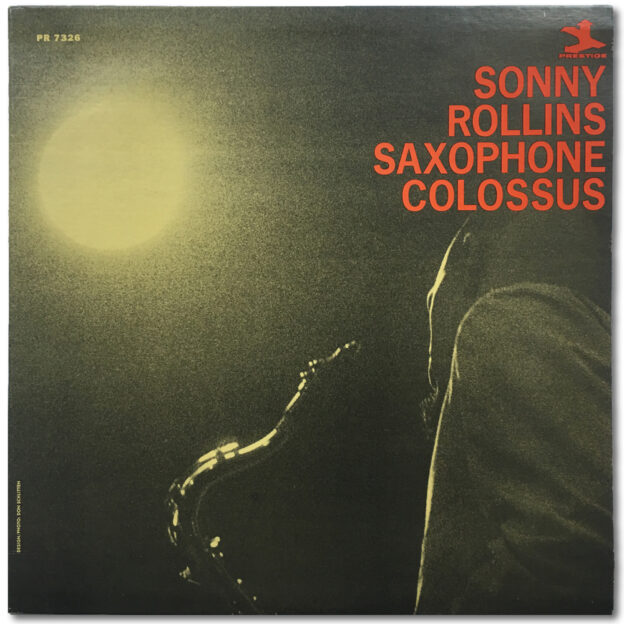
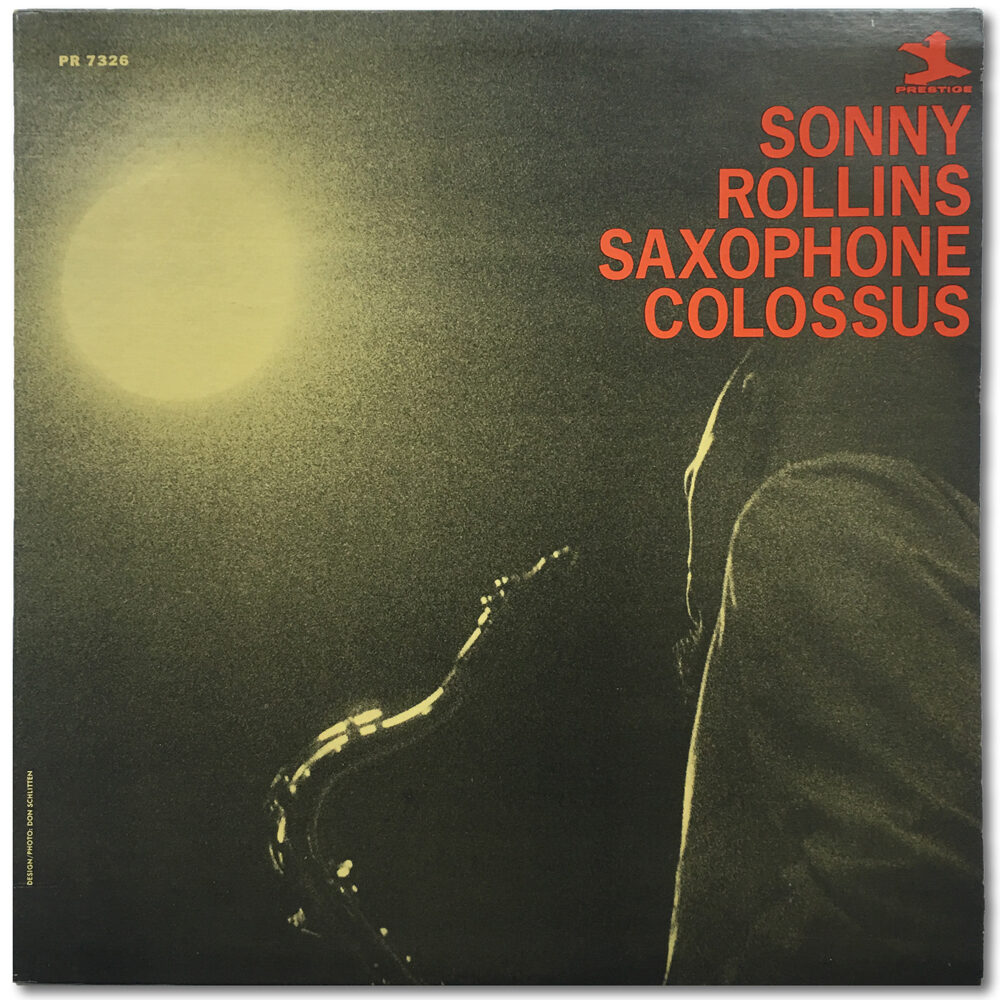
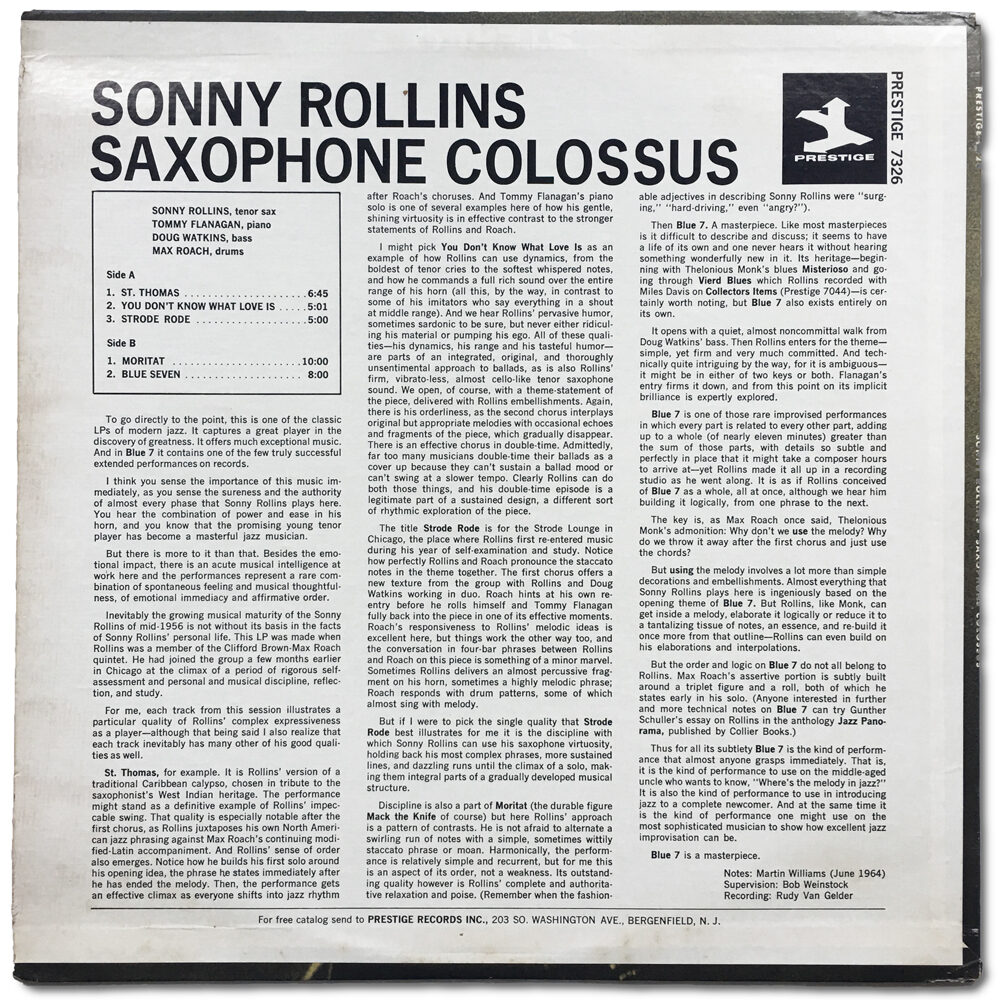
Recorded June 22, 1956 at Van Gelder Studio, Hackensack, New Jersey
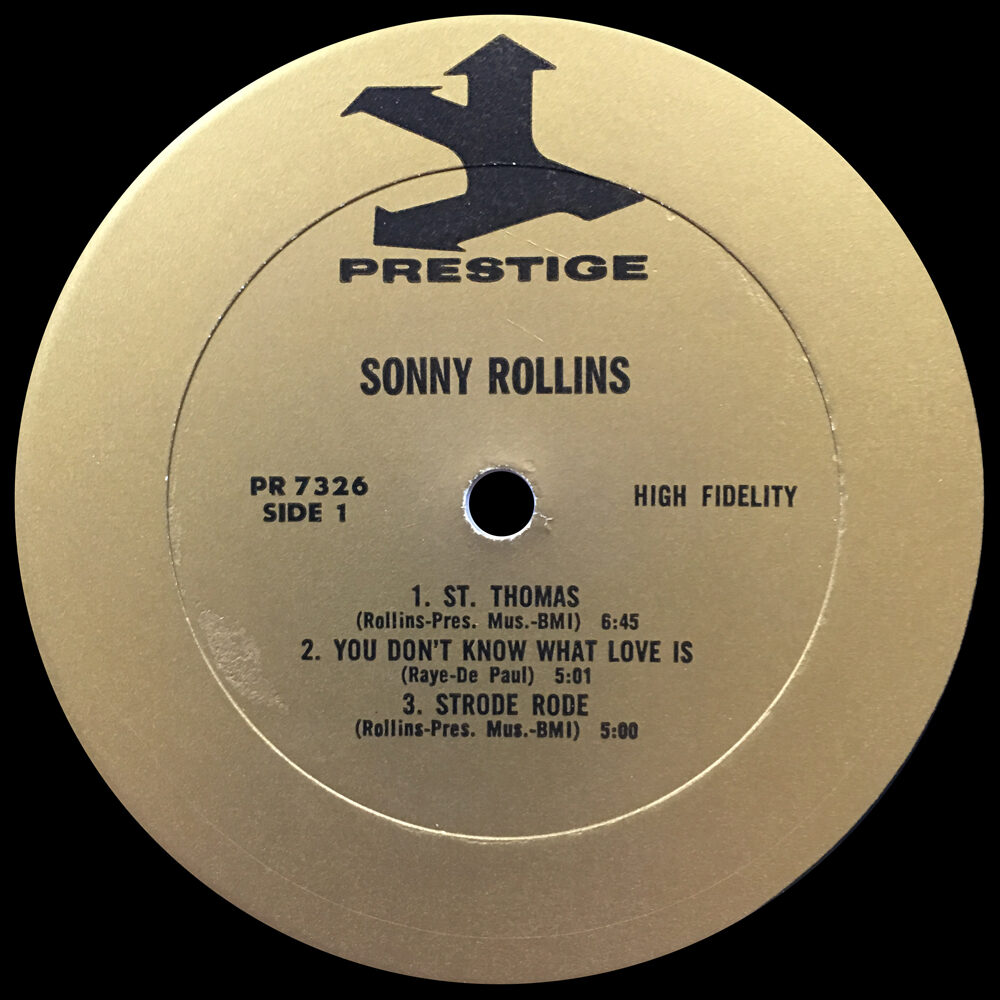
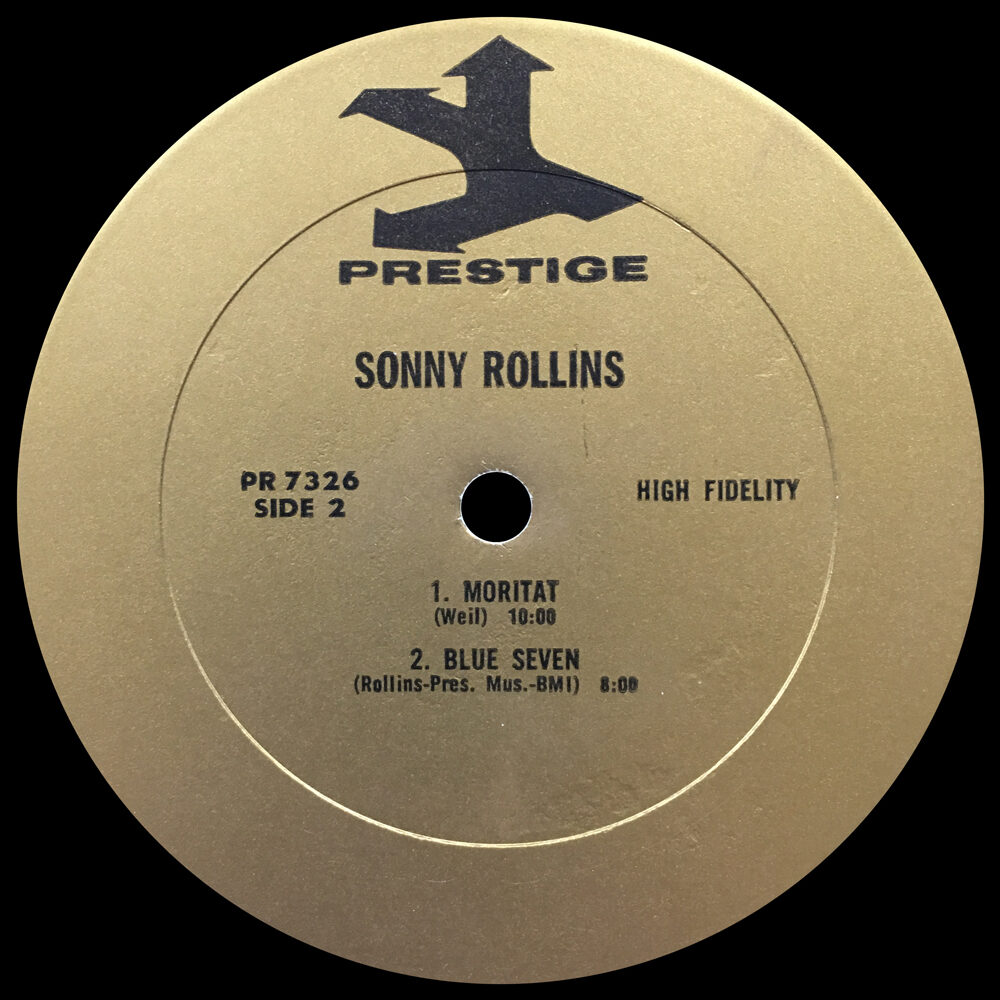
That surely was the case when I found this copy of Saxophone Colossus. On the surface, this pressing seems harmless. It serves as evidence of Prestige Records being up to their old capitalist tricks, updating artwork and catalog numbers in a shameless effort to rebrand previously issued material. Prior to this I had seen fake stereo copies of this reissue a few times but this was the first time I failed to see the “stereo” moniker anywhere on the cover. As I examined the front and back of the jacket I thought, “Could this be mono, and better yet, could it possibly be made from the original 1956 RVG metalwork??” And when I slid the LP out of the jacket, I was overjoyed to find the initials “RVG” handwritten there in the dead wax. To sweeten the pot, the record looked near mint and the price tag was in no way suggestive of the colossal sound laying dormant in these grooves. (See what I did there?)
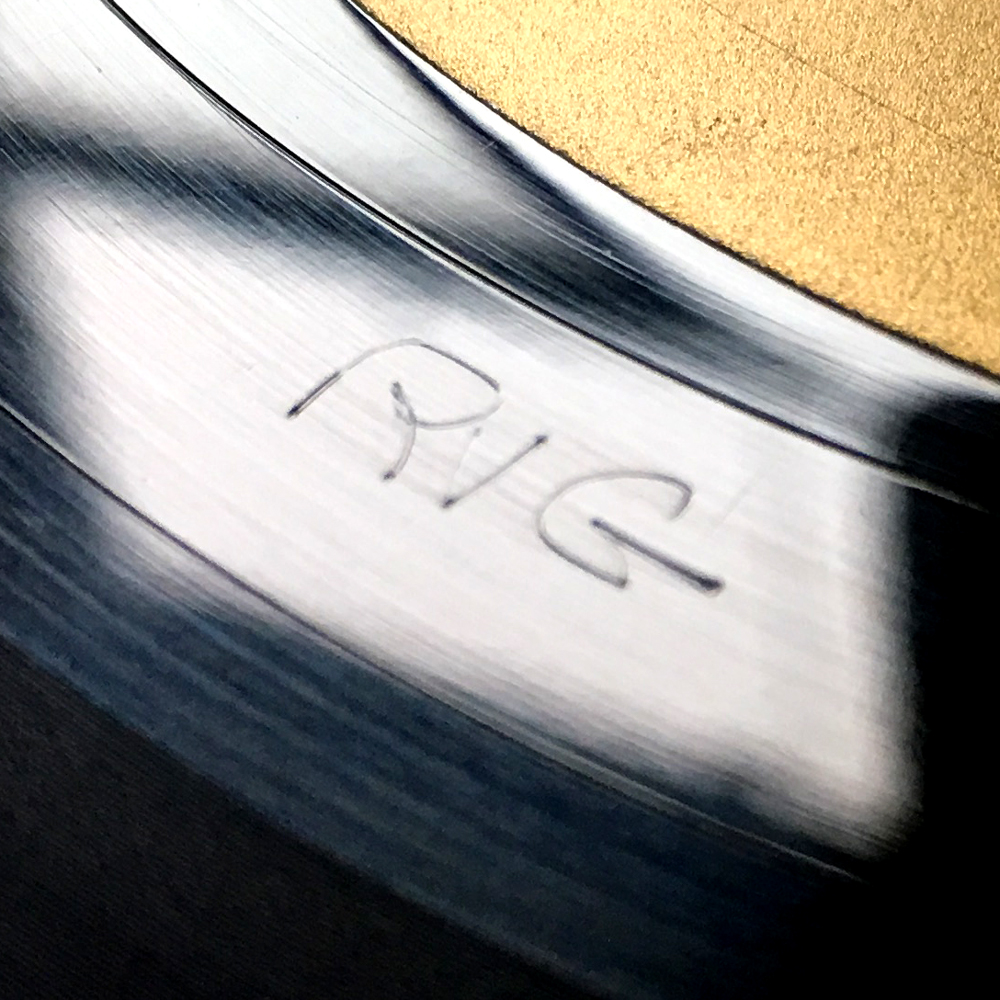 |
I promptly paid my fare at the counter, and on this hot, sunny Manhattan day, I posted up at a nearby burger joint to grab lunch as I researched the record’s obscure gold labels. While London Jazz Collector places this label run in the rather wide range of 1964-1971, VinylBeat.com makes a narrower yet less specific claim of “mid-1960s”. Discogs has the pressing year pegged down to 1964 (I have no idea what the source of that info is), but to be honest, the vinyl’s lighter weight and thinner, more bendable material makes me suspicious that it would have been released sometime in the ‘70s. The RVG etching and bold sound of this copy nonetheless remain, a fact made even more astounding when one considers that the original metal factory master disks could have been over 15 years old when this record was made.
Although I usually post favorite albums of mine on here, to be honest Saxophone Colossus is a classic that does not resonate with me as much as it does with most jazz fans. The melody and rhythm of “Saint Thomas” is a bit too corny to find its way into my regular rotation, though the jerky rhythm and brisk pace of “Strode Rode” has always appealed to me. But the real allure for a drummer-minded jazz fan such as myself is Max Roach’s pair of solos on side two. Roach’s hands get quite busy at times during “Moritat” (a renaming of the 1928 Weill-Brecht composition “Mack the Knife”, made for the German play Die Dreigroschenoper; “Moritat” roughly translates to “murder ballad”), but Roach plays with tasteful restraint during his solo on “Blue 7”. Engineer Rudy Van Gelder’s recording of drums was always second to none, even in 1956 as demonstrated here. Roach’s consistent striking of the ride cymbal during his solo on “Blue 7” shimmers with glowing resonance and his tom-toms ring with air-tight clarity and precision.
Though Sonny Rollins’ unique character and humor as a soloist became apparent to me many years ago, I can’t say that I’ve studied the breadth of his catalog with the careful attention it most certainly deserves. But with the addition of this record to my collection, Sonny is sure to get more play on my turntable in the future.