
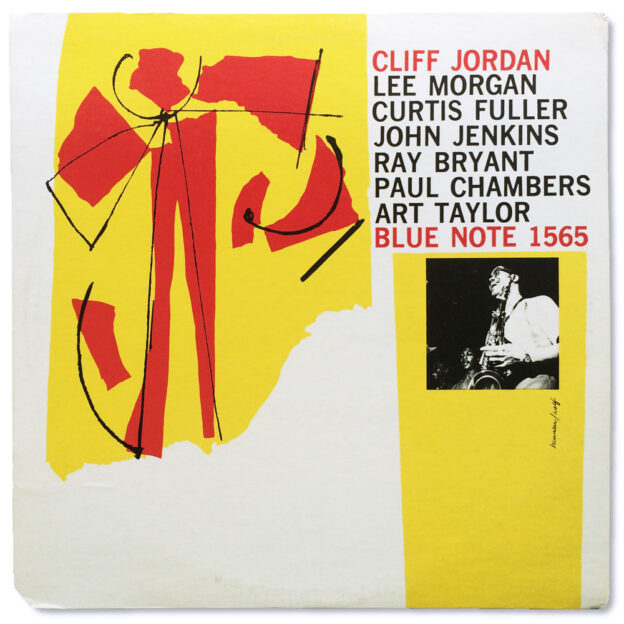
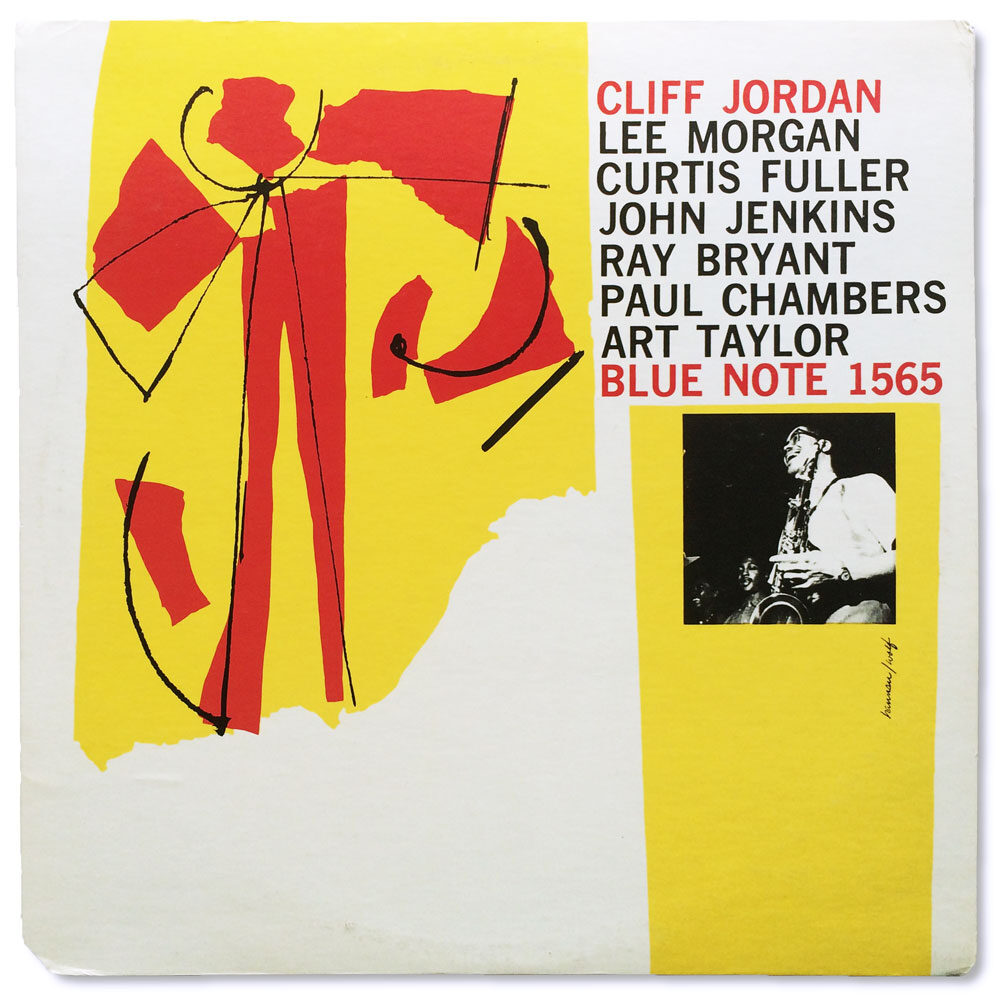
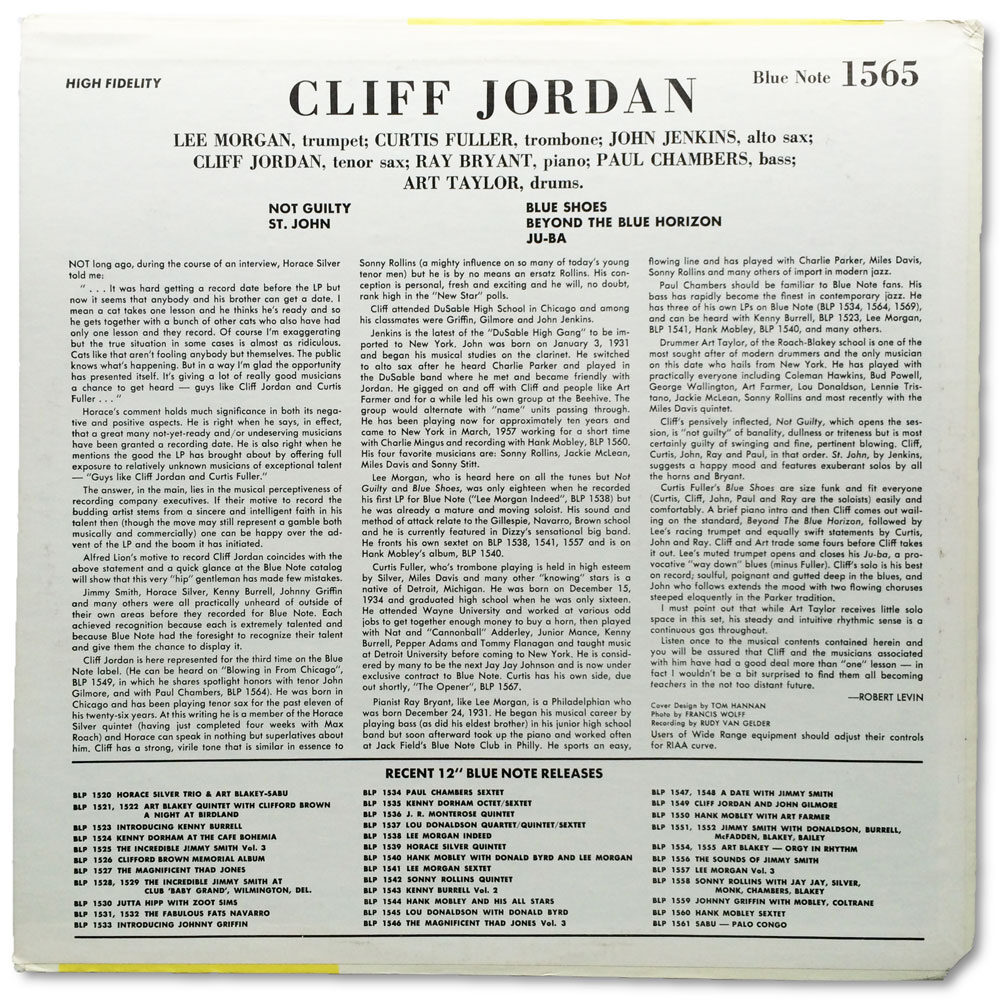
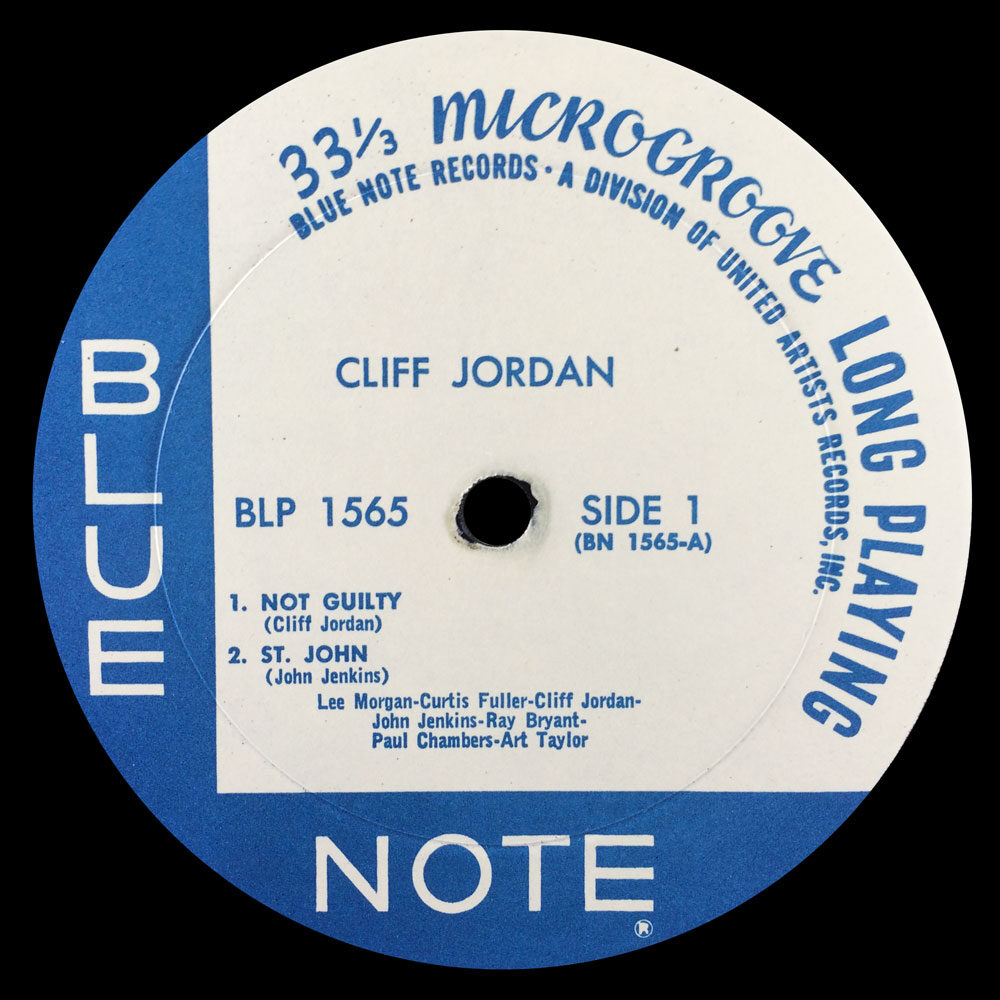
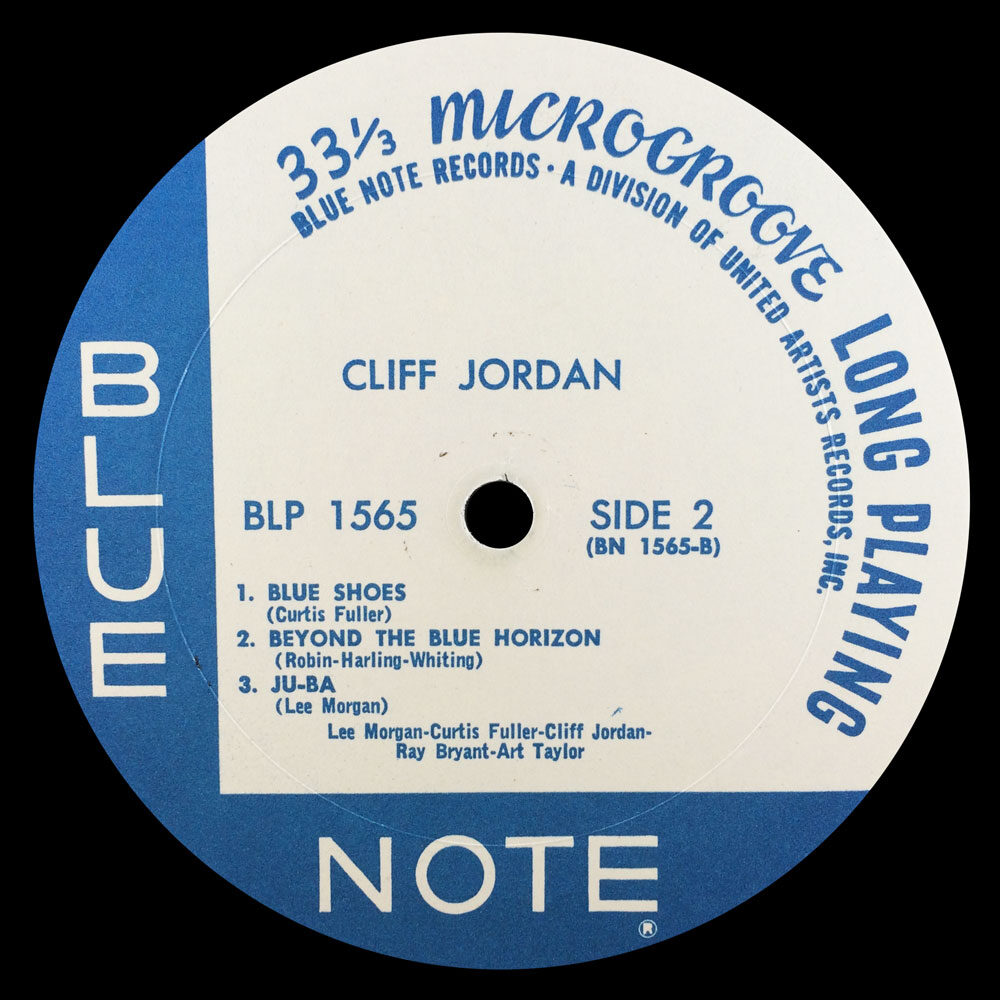
- United Artists mono reissue circa 1972-1975
- “A DIVISION OF UNITED ARTISTS RECORDS, INC.” on both labels
Personnel:
- Lee Morgan, trumpet
- Curtis Fuller, trombone
- John Jenkins, alto saxophone
- Cliff Jordan, tenor saxophone
- Ray Bryant, piano
- Paul Chambers, bass
- Art Taylor, drums
Recorded June 2, 1957 at Van Gelder Studio, Hackensack, New Jersey
Originally released October 1957
Selection:
“Blue Shoes” (Fuller)
Truth be told, these United Artists mono pressings from the early to mid ’70s are hit and miss, having heard more than one that suffered from significant non-fill problems. But this particular copy made it through that inconsistent manufacturing process unscathed. United Artists pressings also seem to have a gentler top end than a lot of modern audiophile reissues, which to some collectors makes them worth seeking out despite the difficulty in finding a quality copy.
This particular Cliff Jordan album also seems difficult to find in any format, which is why I jumped at the chance to buy it when it popped up on eBay. Discogs indicates that it has only been issued in the US twice on vinyl (originally in 1957 and this copy in the early ’70s) and never on CD. Though it has been reissued by Toshiba EMI in Japan once as an LP in 1984 (undocumented by Discogs) and three more times on compact disc there, these copies are hard to find in the states. And try you may, but you will not find these sides in any shape or form on iTunes or Spotify, making this a rare and special listen indeed.
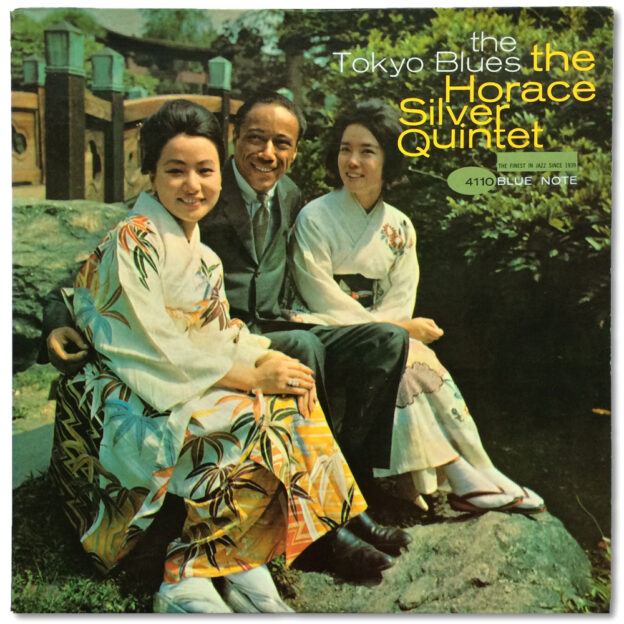
Vinyl Spotlight: The Horace Silver Quintet, The Tokyo Blues (Blue Note 4110) Original Mono Pressing
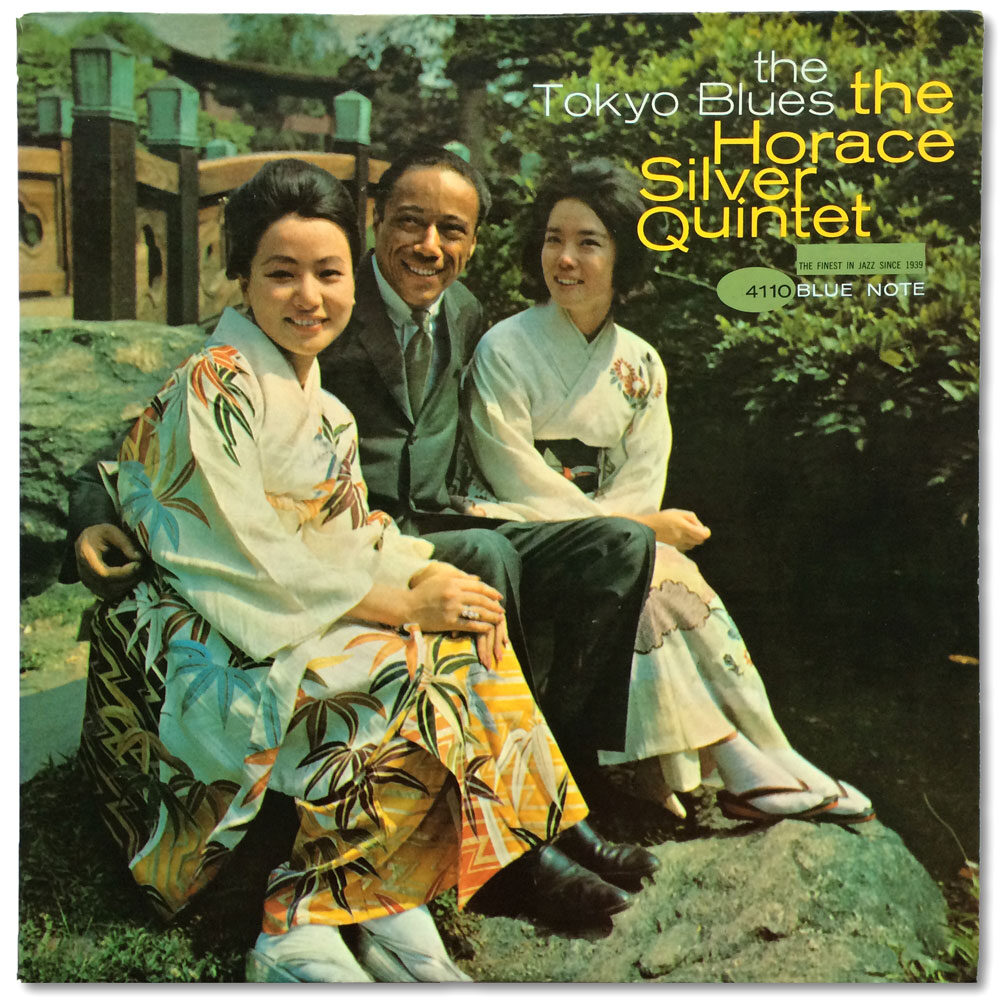
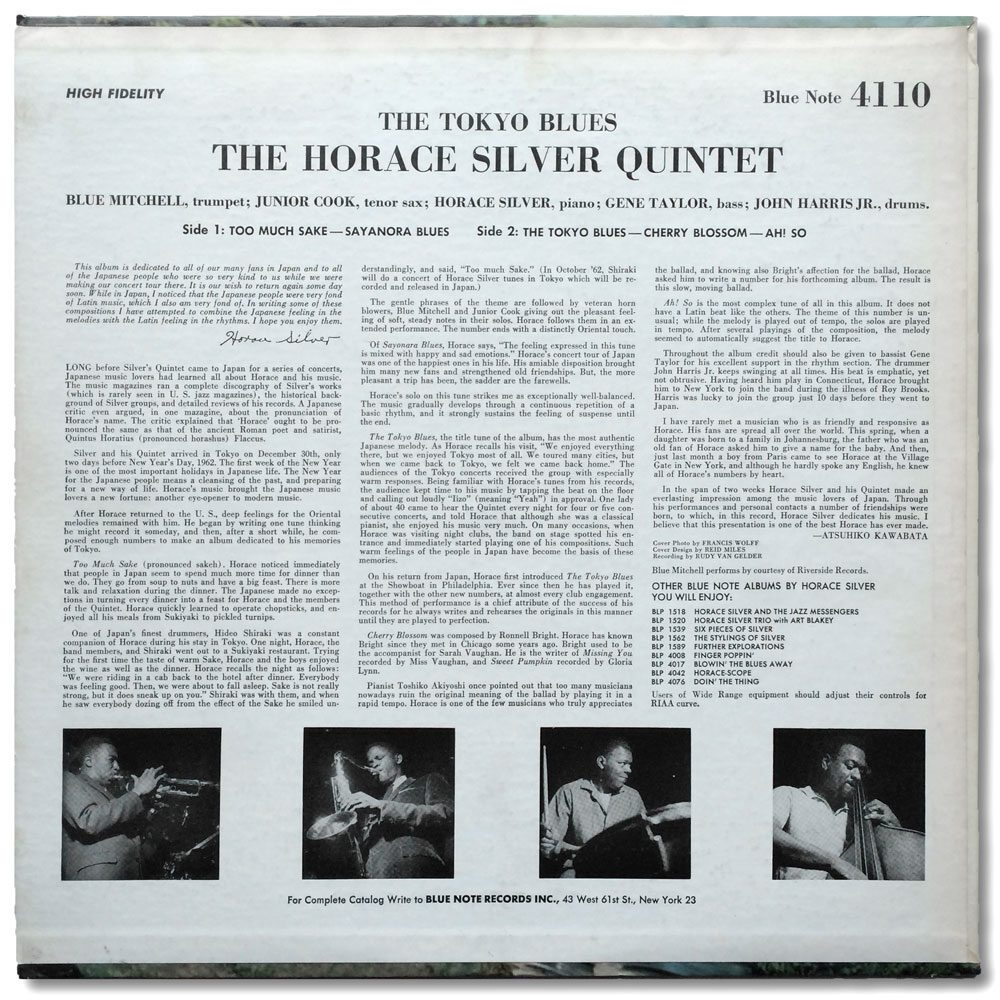
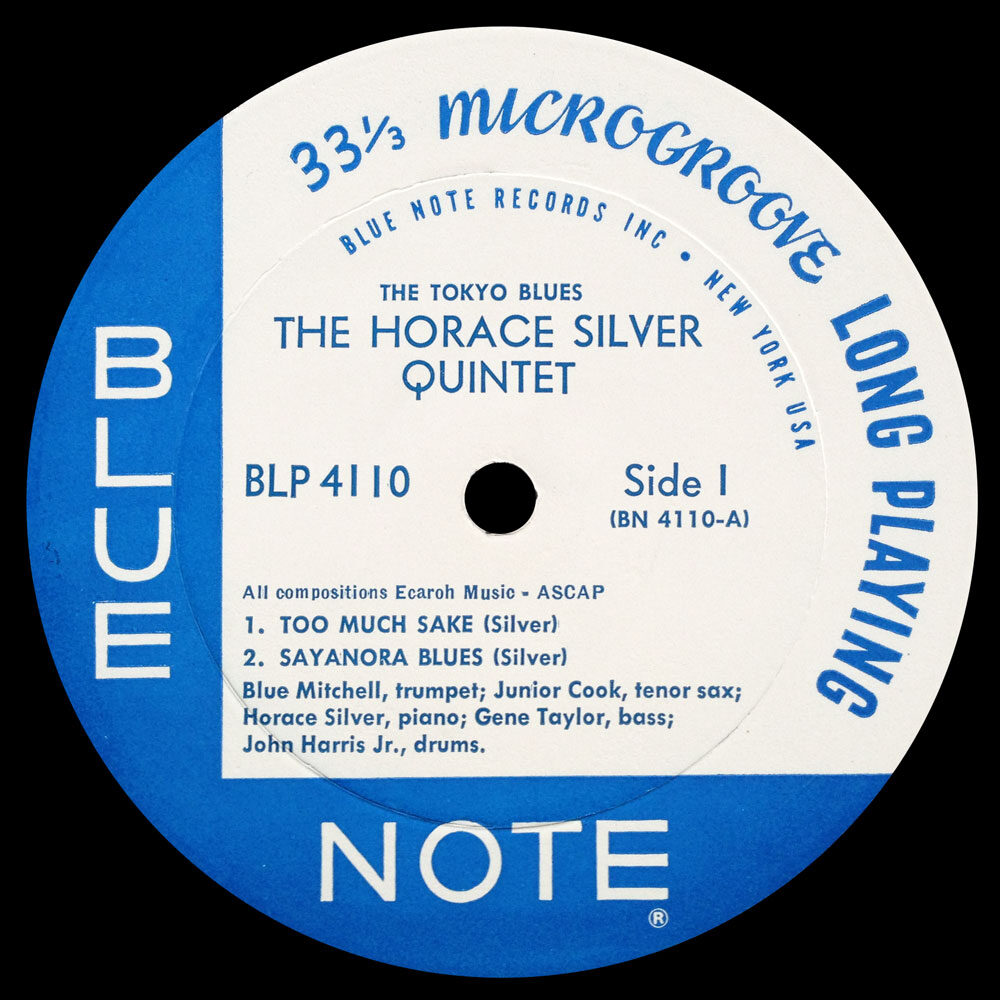
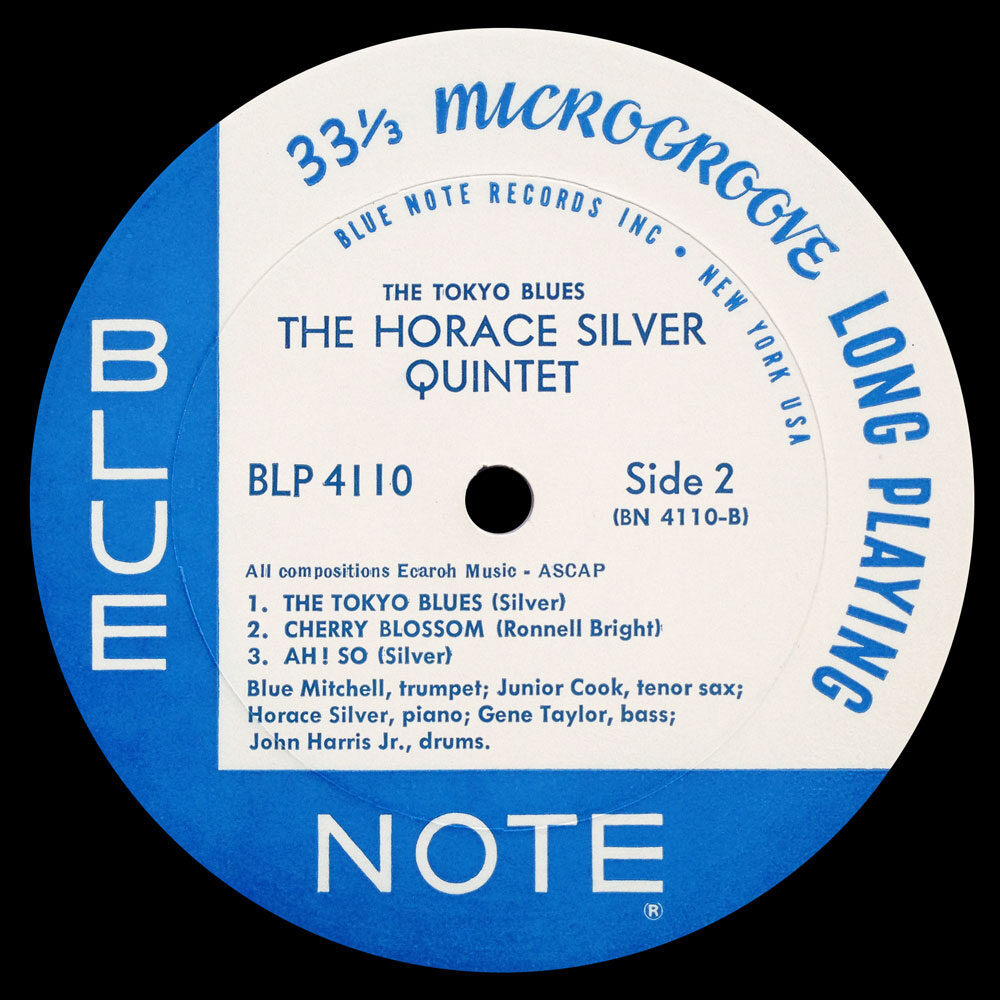
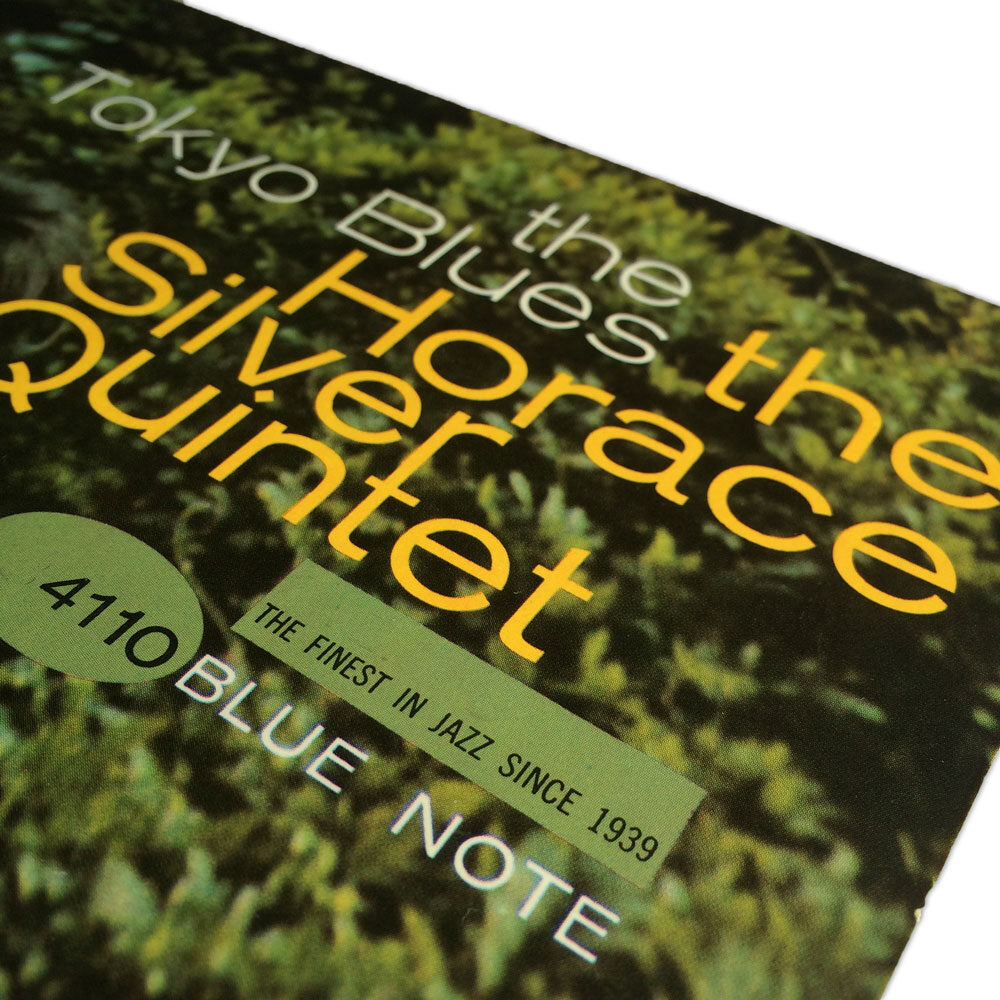
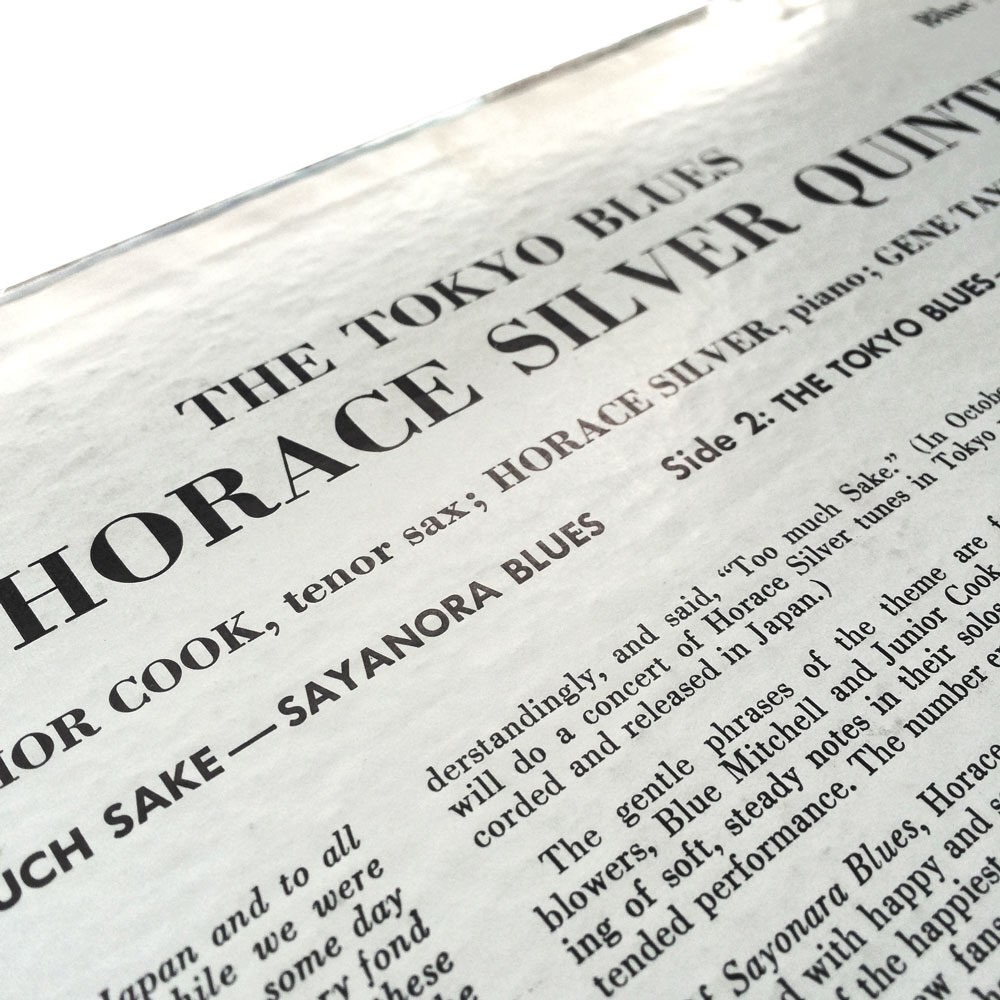

- Original 1962 mono pressing
- “NEW YORK USA” on both labels
- Plastylite “P” etched and “VAN GELDER” stamped in dead wax
- “43 West 61st St., New York 23” address on jacket without “Printed in U.S.A.”
Personnel:
- Blue Mitchell, trumpet
- Junior Cook, tenor saxophone
- Horace Silver, piano
- Gene Taylor, bass
- John Harris, Jr., drums
Recorded July 13-14, 1962 at Van Gelder Studio, Englewood Cliffs, New Jersey
Originally released November 1962
| 1 | Too Much Sake | |
| 2 | Sayonara Blues | |
| 3 | The Tokyo Blues | |
| 4 | Cherry Blossom | |
| 5 | Ah! So |
Selection: “Sayonara Blues” (Silver)
This record is one of the finest examples of engineer Rudy Van Gelder’s original mono mastering work in my entire collection. Granted, I only own a handful of these, but I’ve had dozens more pass through my hands over the years and this is definitely one of the good ones. What makes it one of the best? Condition. Since so many original Blue Notes seem to have suffered groove damage at the hands of primitive playback equipment, I have found that the key ingredient in a stellar-sounding original is the extent to which past usage has left its mark on the record. Not only does this record look amazing 55 years after it would have been taken home from the store, the sound is still fresh and vivid — the way you might expect it to have sounded back in 1962.
It’s possible that bandleader Horace Silver’s choice of a Far Eastern theme influenced drummer John Harris Jr.’s choice of a more minimal, sparse style of playing throughout, which gives each instrument plenty of room to breathe and cut through. (Less percussive energy also provides less of a challenge when getting the music onto tape and into the grooves of the wax.) The standout moment here is Silver’s four-and-a-half-minute romp on the keys in “Sayonara Blues”, a solo with trance-like qualities reinforced by a two-chord, left-hand mantra.
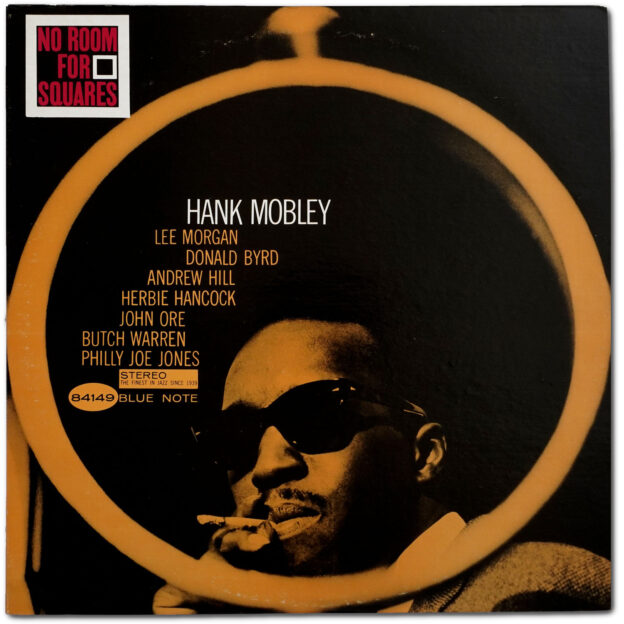
Vinyl Spotlight: Hank Mobley, No Room for Squares (Blue Note 84149) UA RVG Stereo Pressing
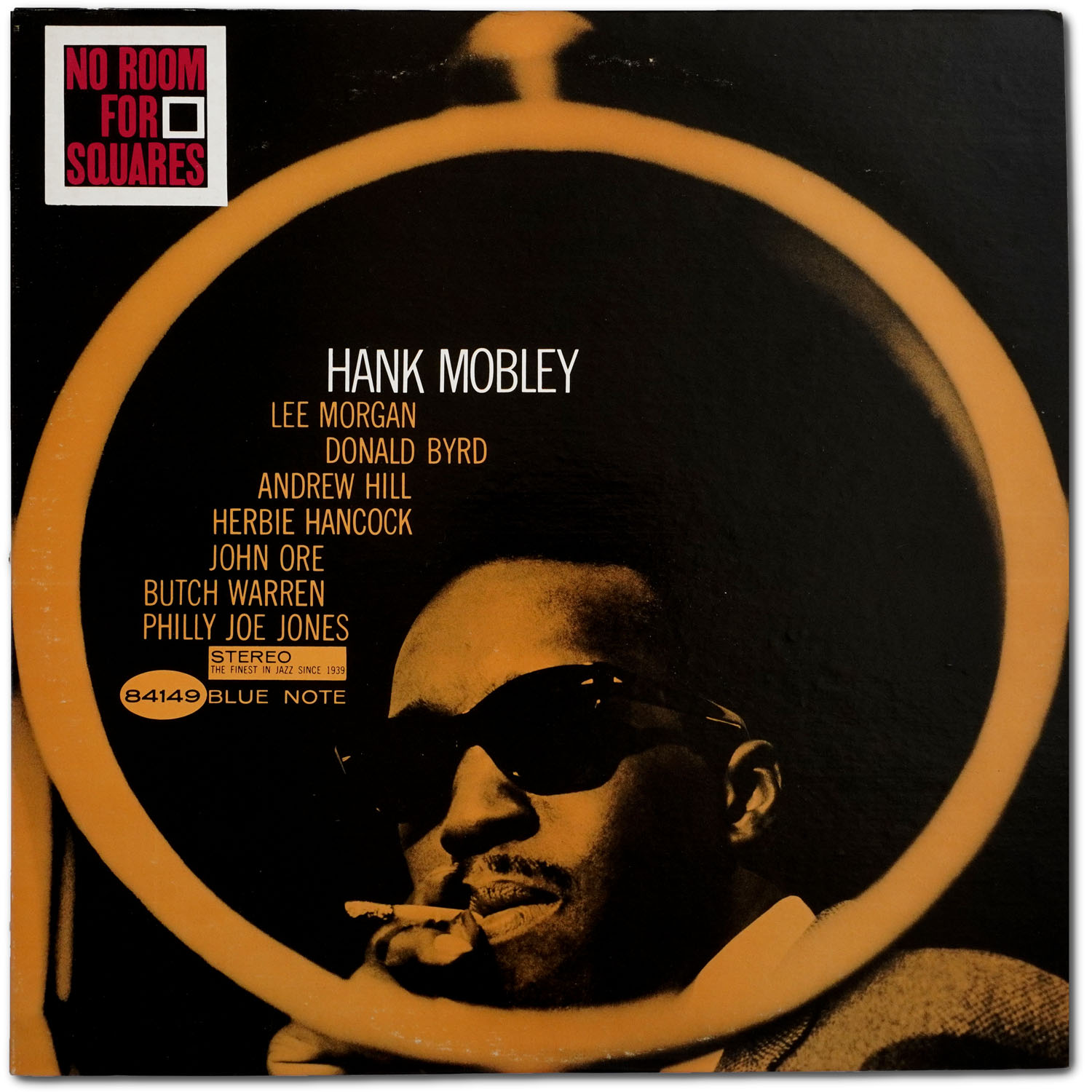
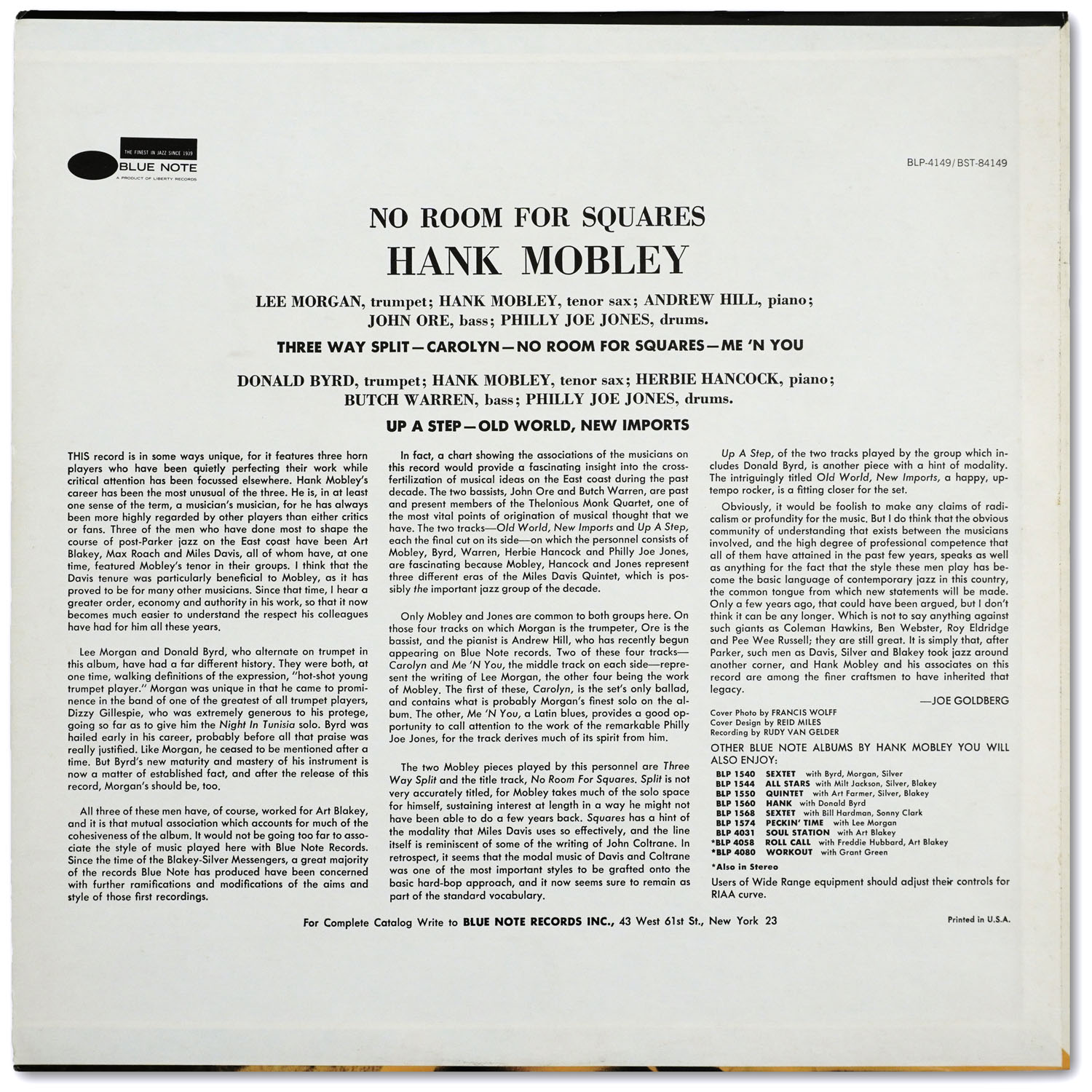
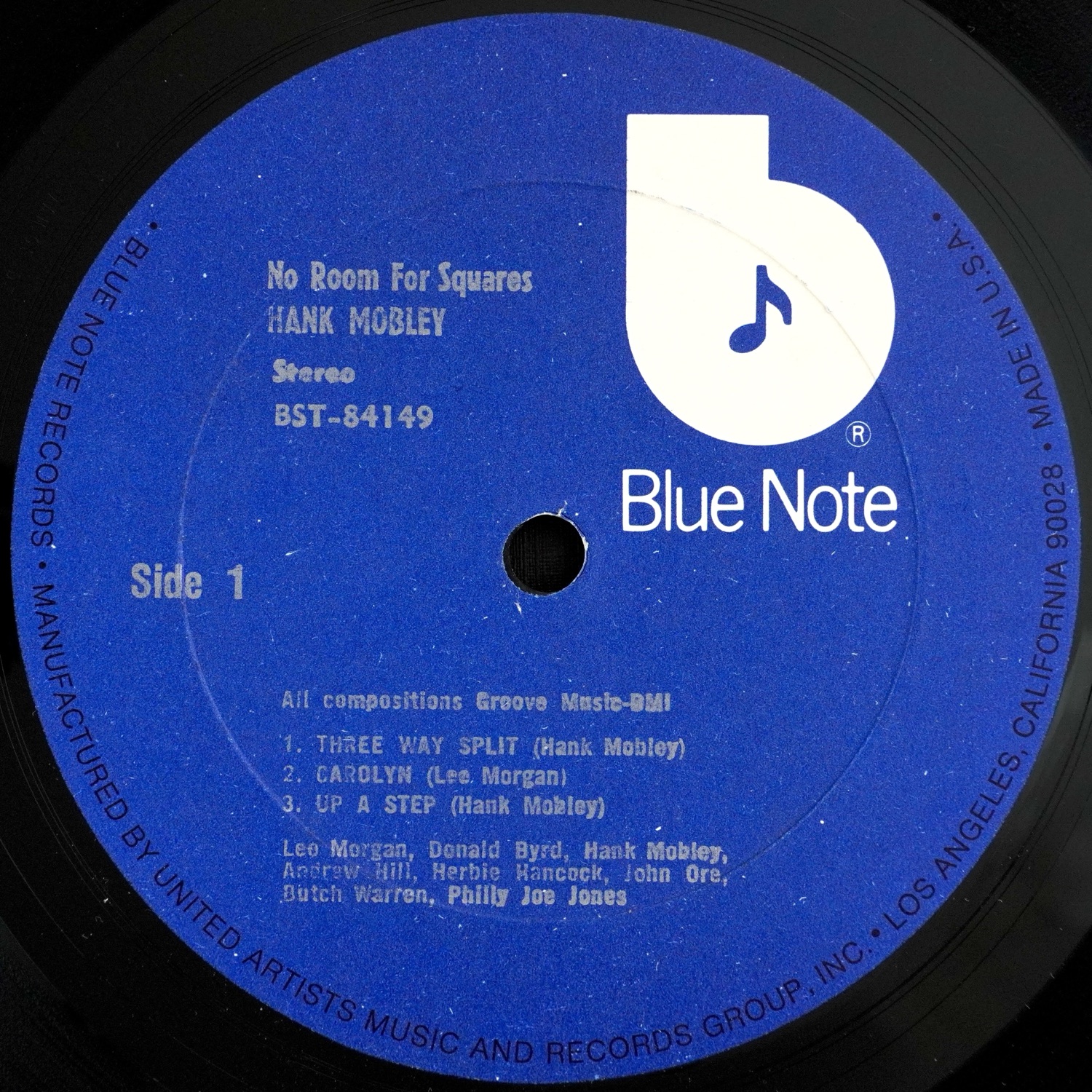
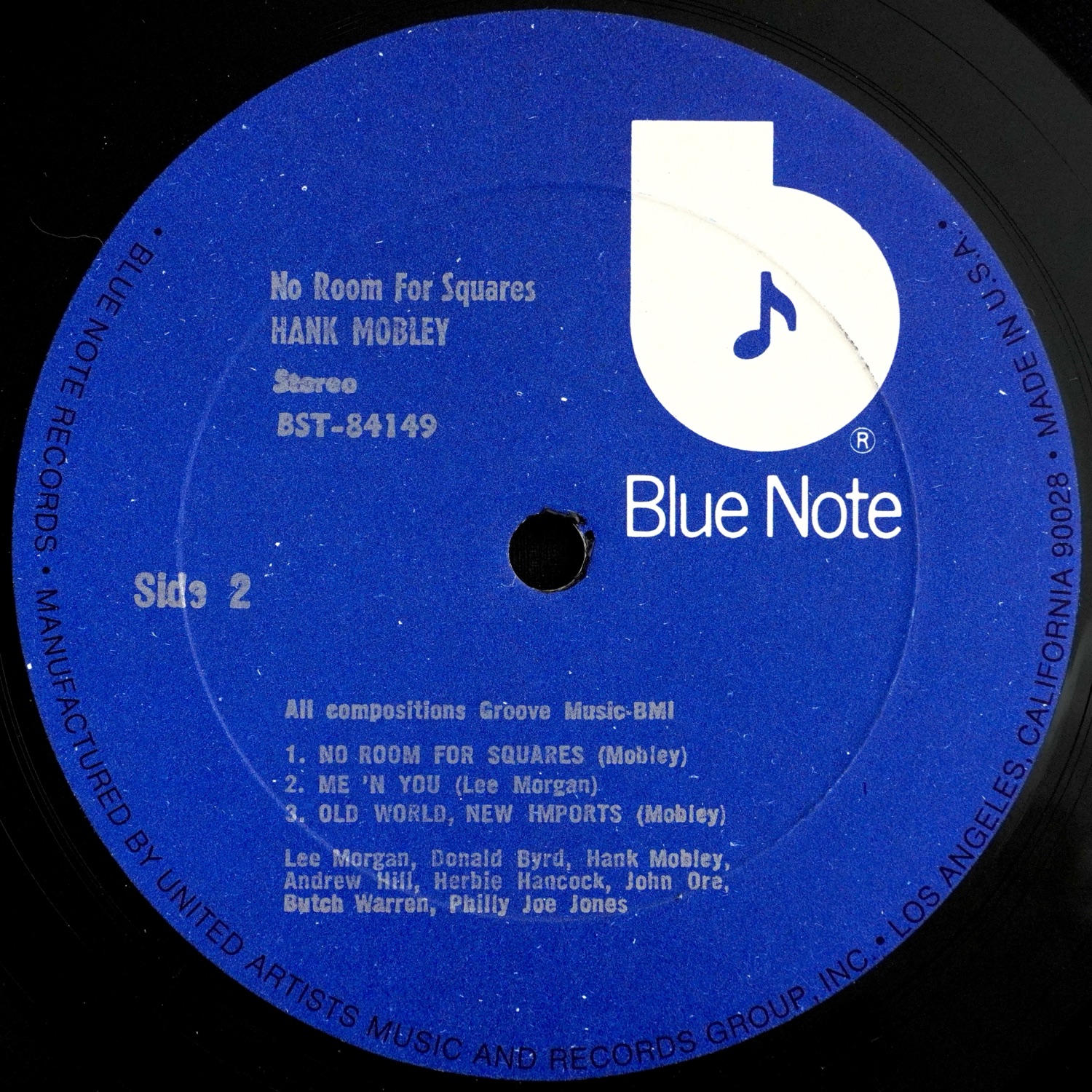
- United Artists stereo reissue circa 1975-1978
- “VAN GELDER” stamped in dead wax
Personnel:
All but “Up a Step”, “Old World, New Imports”:
- Lee Morgan, trumpet
- Hank Mobley, tenor saxophone
- Andrew Hill, piano
- John Ore, bass
- Philly Joe Jones, drums
“Up a Step”, “Old World, New Imports” only:
- Donald Byrd, trumpet
- Hank Mobley, tenor saxophone
- Herbie Hancock, piano
- Butch Warren, bass
- Philly Joe Jones, drums
“Up a Step”, “Old World, New Imports” recorded March 7, 1963
All other selections recorded October 2, 1963
All selections recorded at Van Gelder Studio, Englewood Cliffs, New Jersey
Originally released May 1964
| 1 | Three Way Split | |
| 2 | Carolyn | |
| 3 | Up a Step | |
| 4 | No Room for Squares | |
| 5 | Me ‘n You | |
| 6 | Old World, New Imports |
Selection:
“Three Way Split” (Mobley) [Stereo]
“Three Way Split” (Mobley) [Summed Mono]
So far on Deep Groove Mono, we’ve covered original pressings, Liberty pressings and early ’70s United Artists pressings of classic albums released by the beloved Blue Note label. This ’70s copy of Hank Mobley’s No Room for Squares with the all-blue label and the white (sometimes black) lowercase “b” logo is more or less the last phase in vintage US Blue Note pressings. (Prior to the current era of audiophile reissue programs, which gained great momentum in the late ’90s with Classic Records, the ’80s and ’90s saw a series of less popular, less acclaimed reissue programs eclipsed by the advent and subsequent reign of the compact disc.) This reissue program also constitutes the last time the original mastering work of engineer Rudy Van Gelder would be used to press reissues of classic Blue Note albums.
As is the case with the earlier mono UA reissues of the early ’70s with the classic blue-and-white label scheme, these all blue-label reissues seem hit or miss. This is at least in part due to the fact that Van Gelder’s metal work was being employed beyond the point where it could produce records of the exceptional quality originals and earlier reissues are known for. Several Blue Note albums I have encountered with all-blue-labels and Van Gelder mastering have been duds, but No Room for Squares is not one of them.
This is one of my favorite Hank Mobley albums. Recorded in 1963, it is far removed from the string of 1500-series albums Mobley recorded for Blue Note in the late fifties, all of which are very rare and in-demand in their original incarnations. Nonetheless, Mobley puts together a solid, consistent program here, best demonstrated by a pair of the leader’s own compositions (the title track and “Three Way Split”) and the ballad “Carolyn”, an original work of session trumpeter Lee Morgan. Then-veteran of the bop scene, drummer Philly Joe Jones, provides a driving and exciting performance on the skins as well.
Though this is a stereo copy, it is tempting to hit the ‘mono’ button on my amplifier in order gain a sense of what an original mono pressing might sound like. The reason we can be fairly certain that this type of summing can produce comparable results is because of what we know about the way Rudy Van Gelder recorded, mixed, and mastered these albums for both mono and stereo. Though the clarity and separation offered by the stereo spread is a treat in its own right, summing to mono provides a glue to the mix that the stereo presentation is incapable of, especially when it comes to the harmonies of the horns.
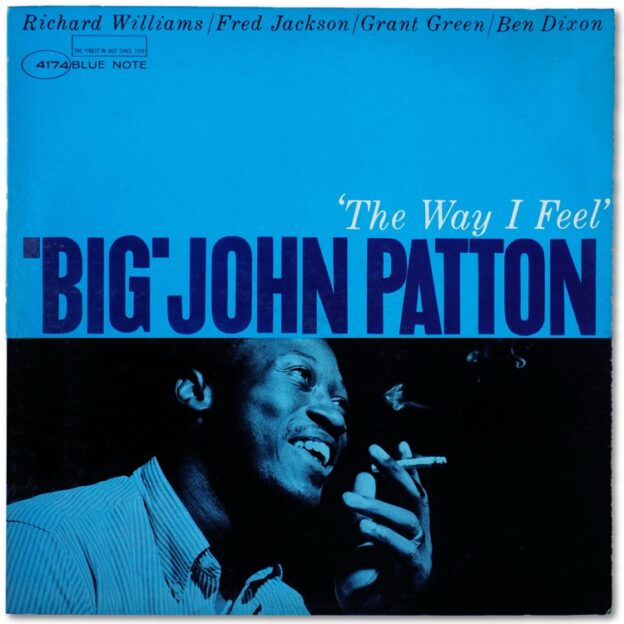
Vinyl Spotlight: Big John Patton, The Way I Feel (Blue Note 4174) Original Mono Pressing
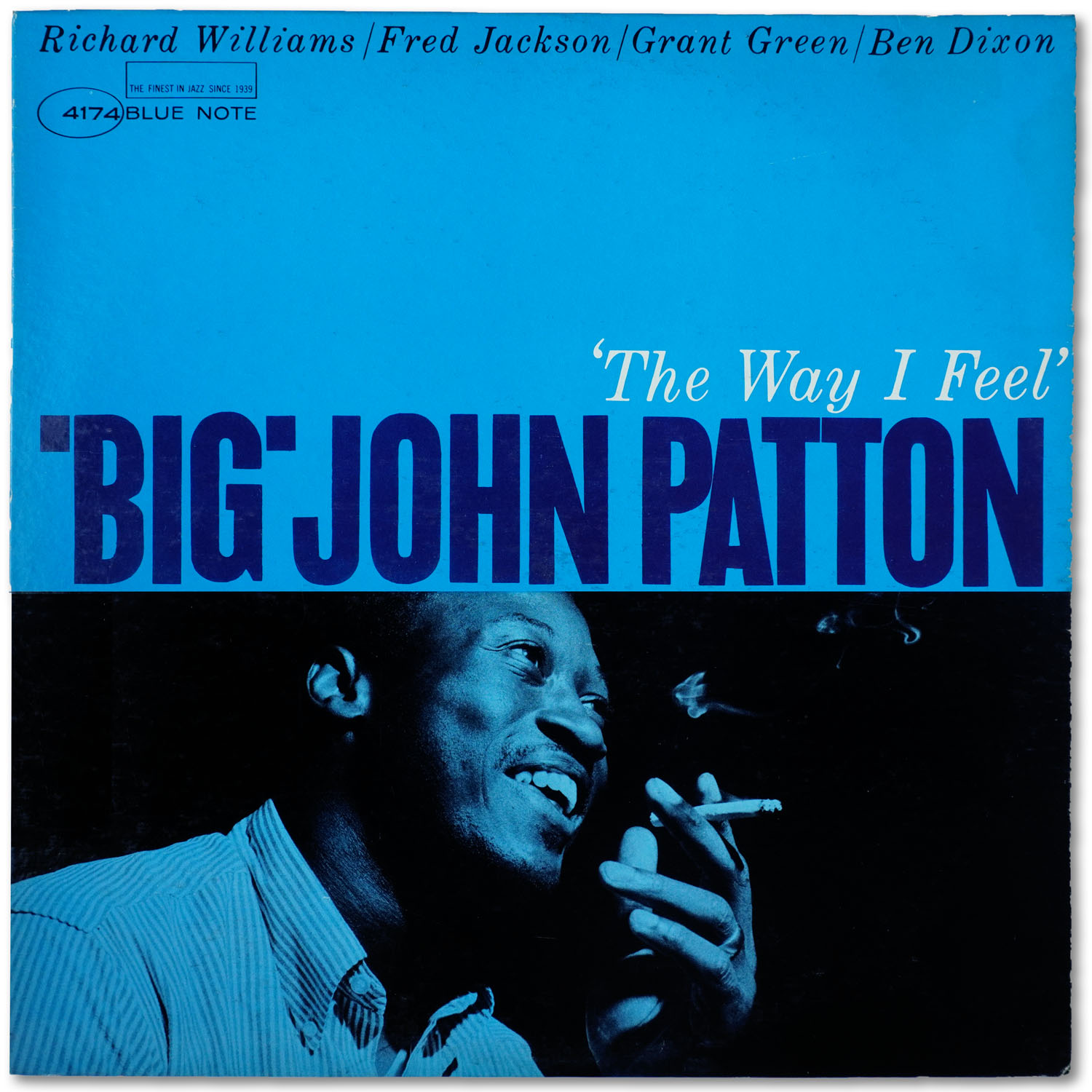
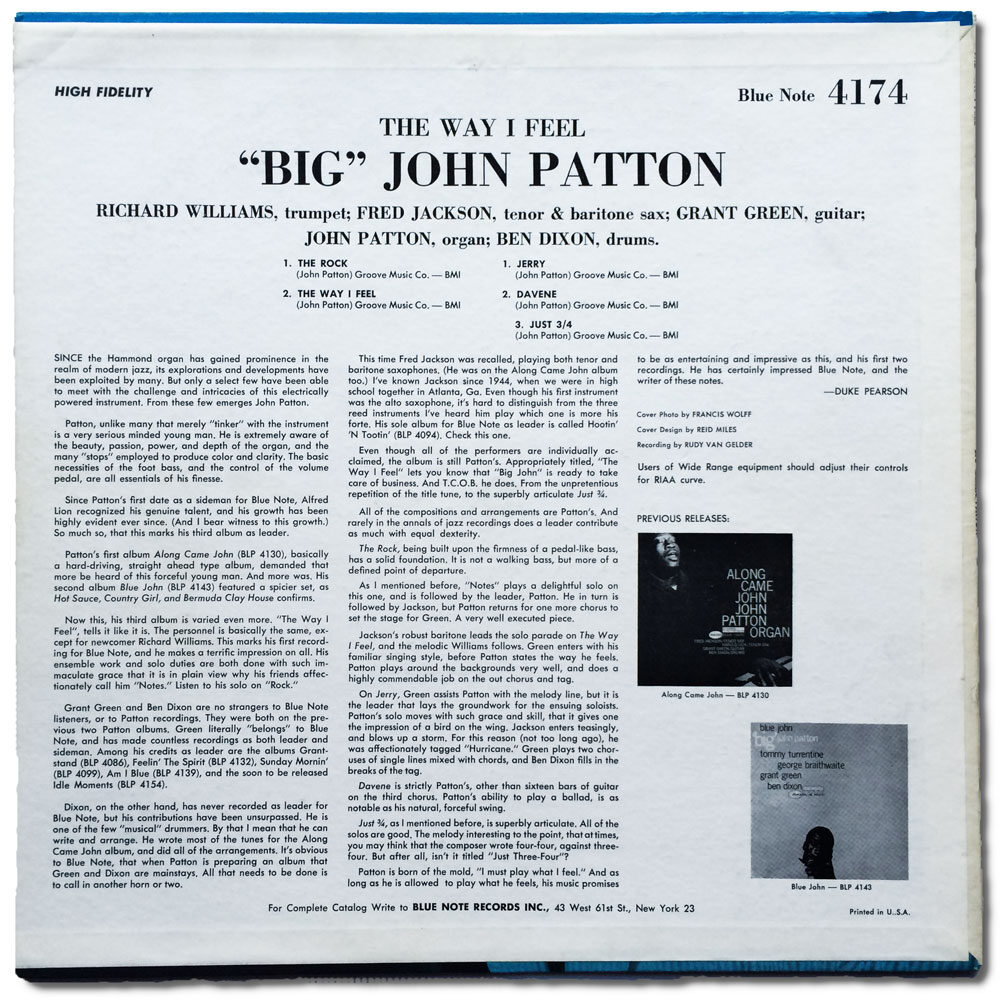
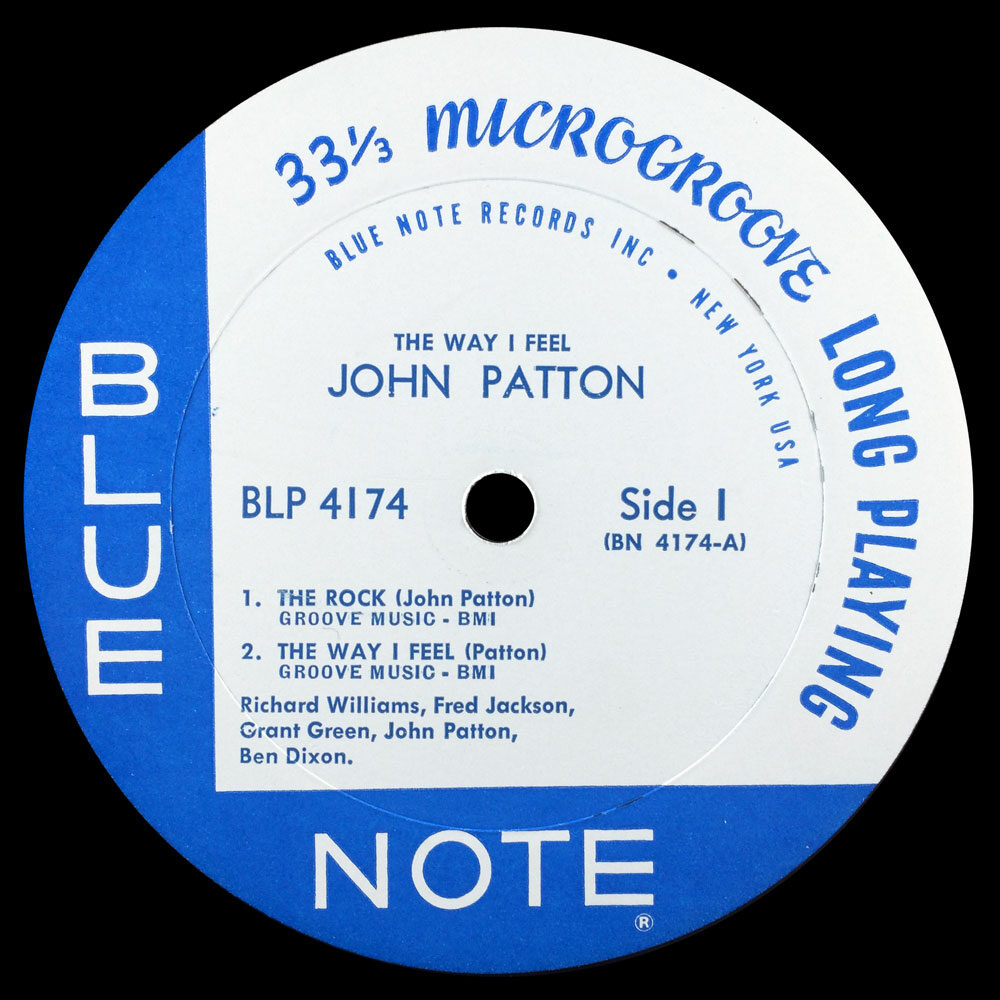
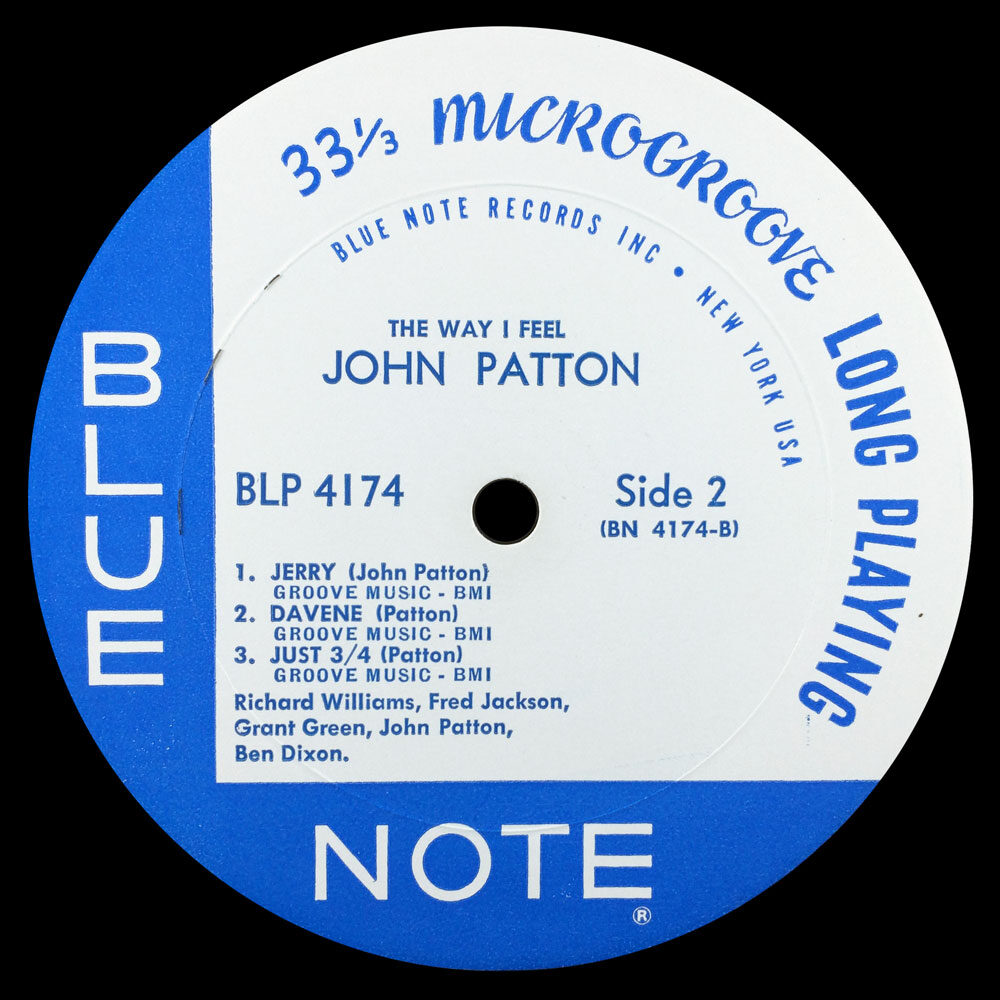
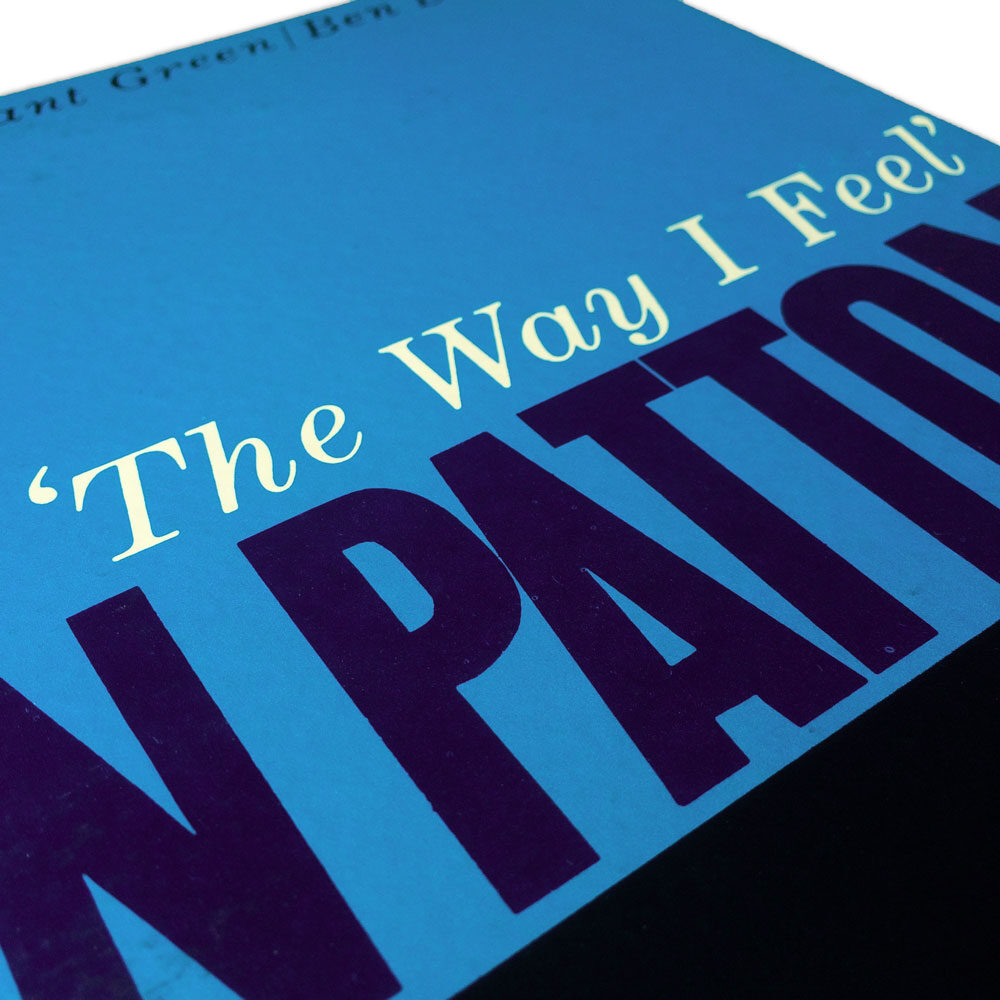
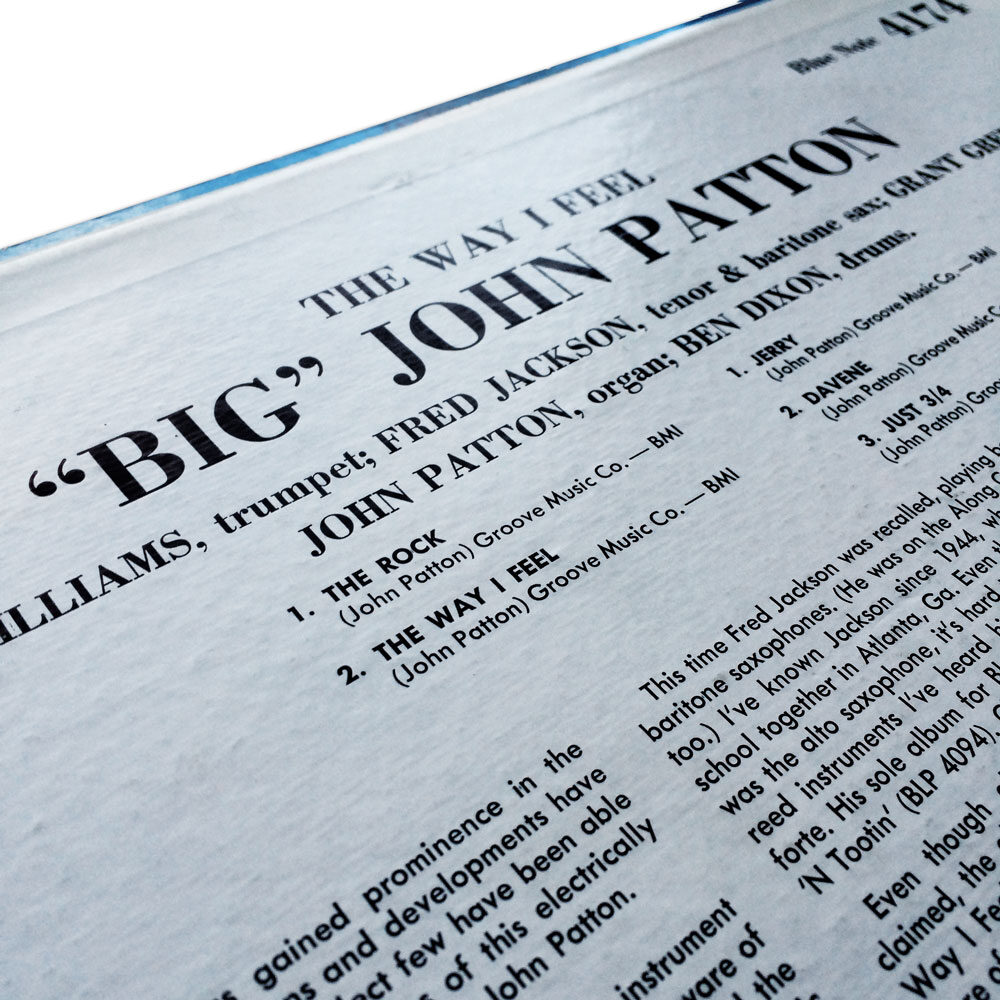
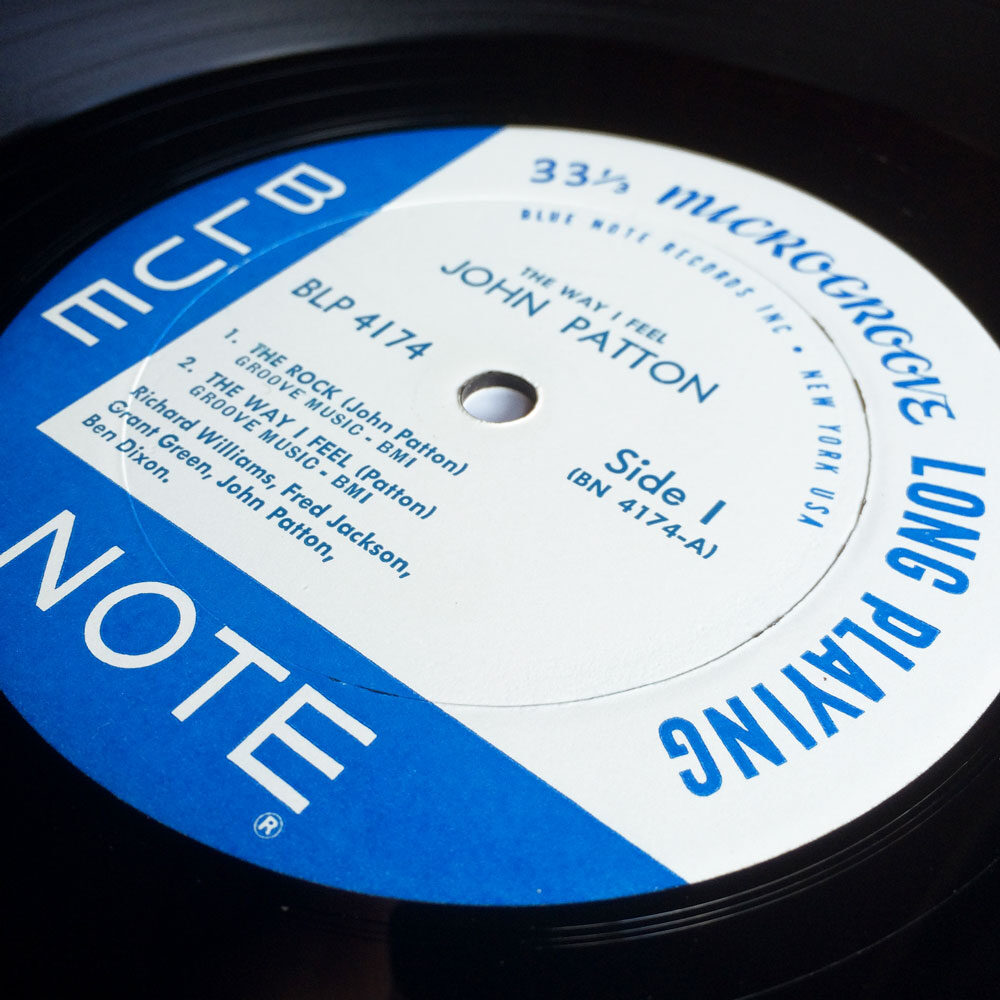
- Original 1964 mono pressing
- “NEW YORK USA” on both labels
- Plastylite “P” etched and “VAN GELDER” stamped in dead wax
Personnel:
- Richard Williams, trumpet
- Fred Jackson, tenor & baritone saxophones
- Grant Green, guitar
- John Patton, organ
- Ben Dixon, drums
Recorded June 19, 1964 at Van Gelder Studio, Englewood Cliffs, New Jersey
Originally released October 1964
| 1 | The Rock | |
| 2 | The Way I Feel | |
| 3 | Jerry | |
| 4 | Davene | |
| 5 | Just 3/4 |
Selection:
“The Rock” (Patton)
A rare record in any format, this is the genuine article right here: Van Gelder stamp, Plastylite “P”, mono. After its original release in 1964, The Way I Feel was never reissued on LP or CD in the United States, and it has only been reissued twice in Japan on CD. The reason for the scarce number of reissues could be related to the fact that my Capitol Vaults digital copy has heavy audible tape damage in a couple of spots, which was a major reason I was so persistent in seeking out a vintage copy. However, I’ve owned a few copies of this over the years, all with original Van Gelder mastering, and I’m convinced that the mild distortion I hear on Richard Williams’ loudest trumpet blasts was baked into the original master lacquer disk and is therefore present on every copy. As much of an RVG fan-boy as I am, the truth is that the engineer was obsessed with obtaining a superior signal-to-noise ratio in his work and in the process mastered (and recorded) a little too hot at times.
This is one of my favorite Blue Note albums. It is definitely in my top five, partly because it is so consistent. When I first got into jazz, I followed a lot of ignorant stereotypes, one of them being that jazz with an organ isn’t “real jazz”. But John Patton looked so damn cool on this album cover that I had to give it a try, and it was undeniable how jazzy, soulful, and funky this record was all at once. John Patton’s music is lighthearted and occasionally funny, and the leader clearly succeeds at bringing those qualities out of his sidemen here (saxophonist Fred Jackson’s solo on “The Rock” is a good example). The title track’s laid-back groove breaks up the soulful tempo of the first side by strutting at the pace of a crawl, and though “Davene” sounded a bit hokey to me at first, I have since realized it to be a beautiful ballad that is now a favorite.
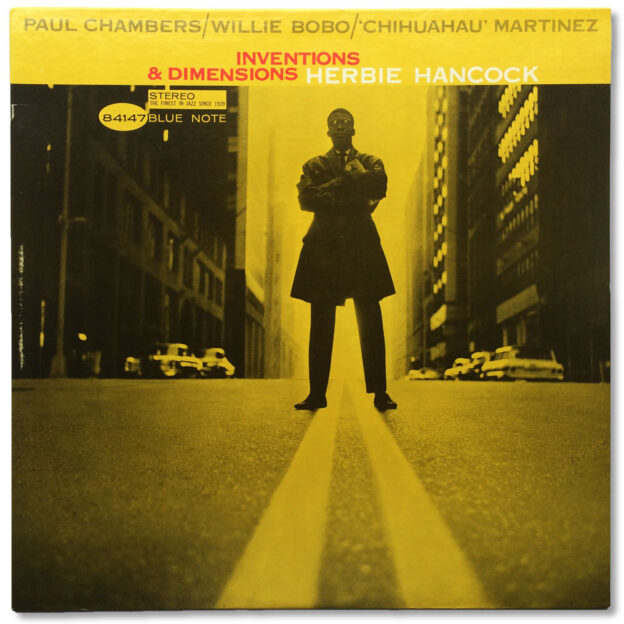
Vinyl Spotlight: Herbie Hancock, Inventions and Dimensions (Blue Note 84147) Liberty RVG Stereo Pressing
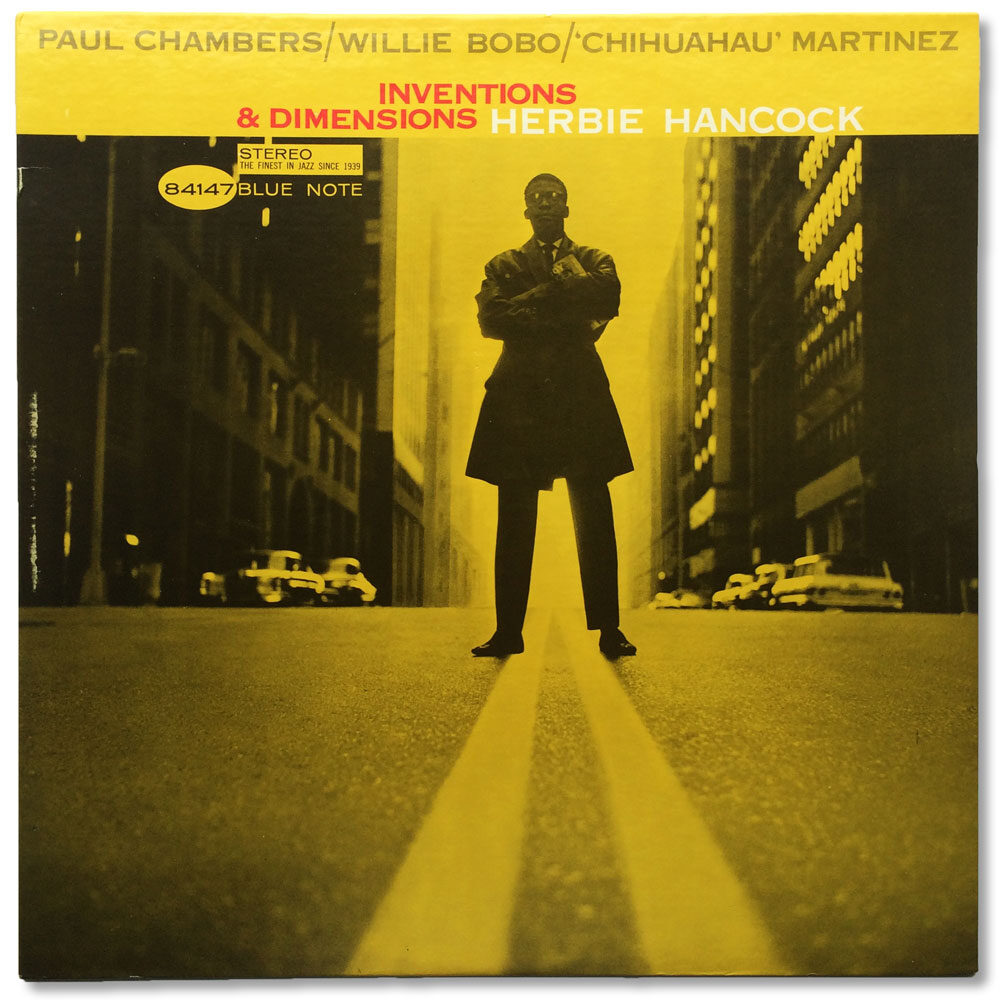
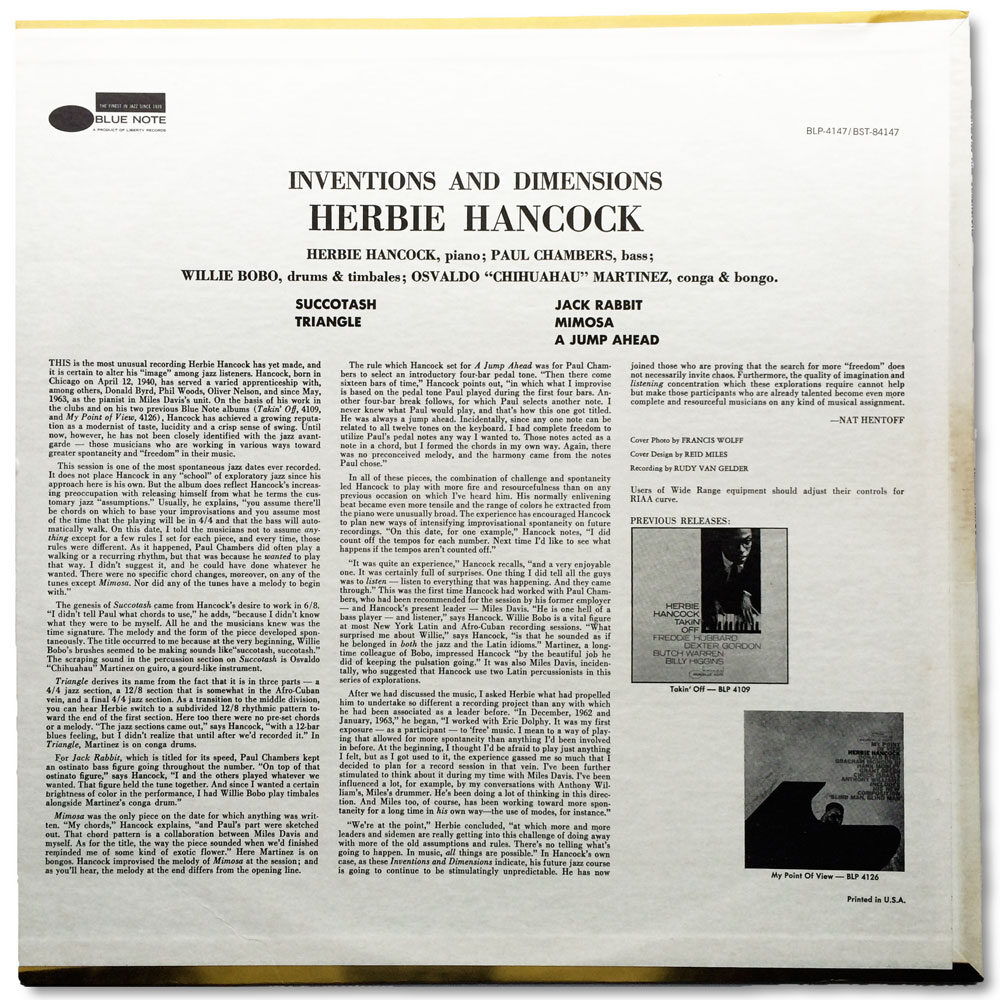
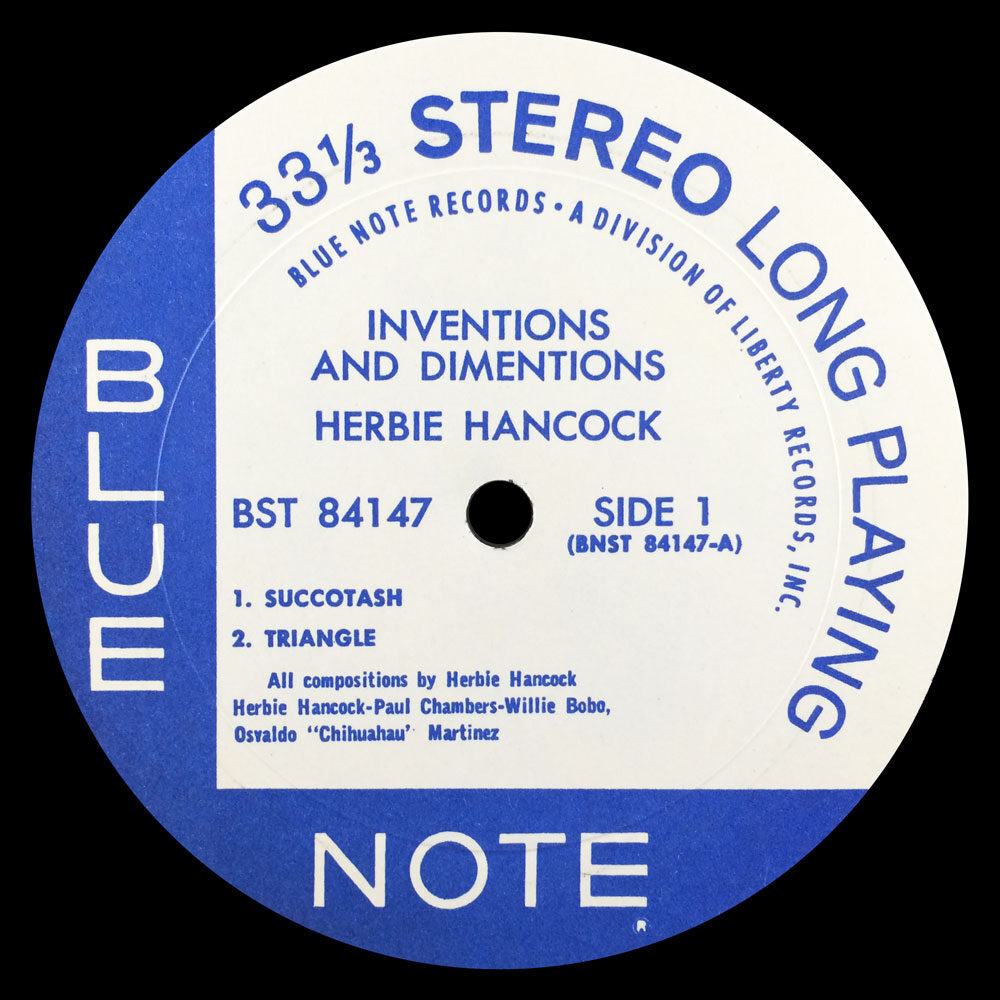
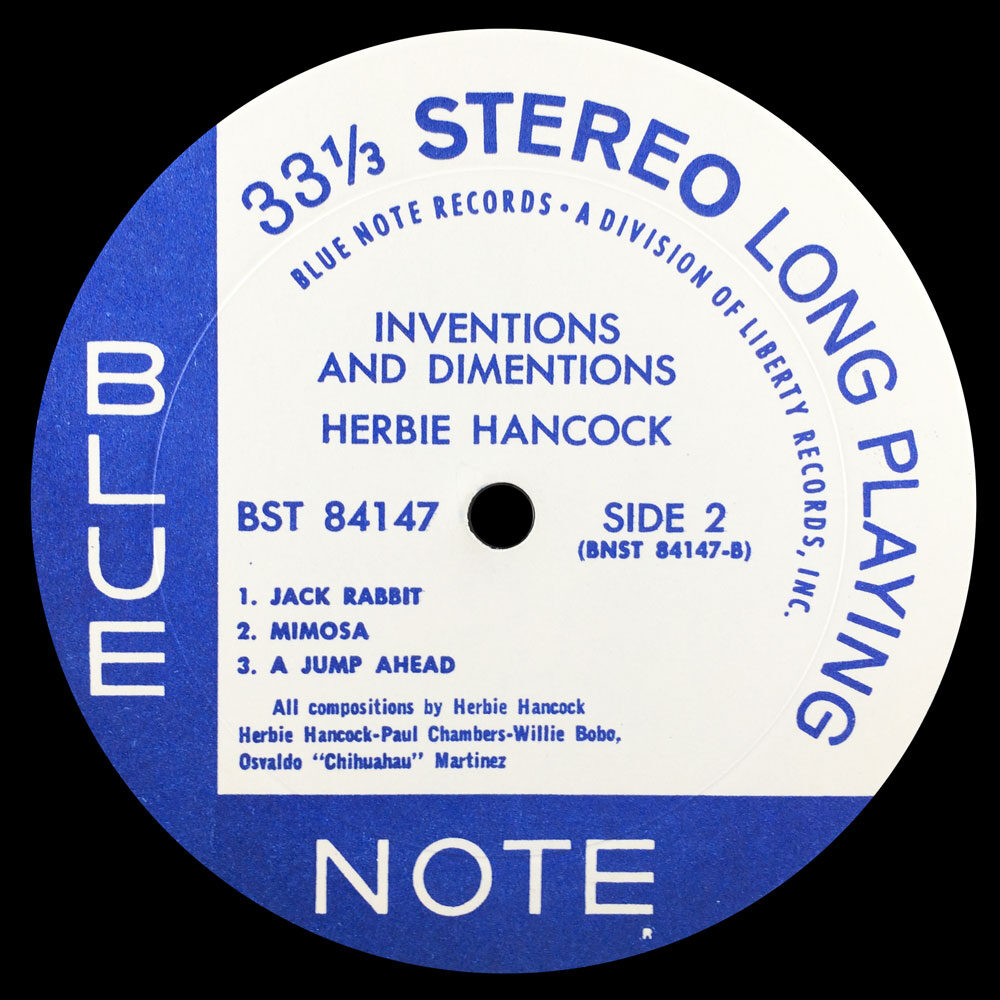
- Stereo Liberty reissue circa 1966-1970
- “A DIVISION OF LIBERTY RECORDS, INC.” on both labels
- “VAN GELDER” stamped in dead wax
Personnel:
- Herbie Hancock, piano
- Paul Chambers, bass
- Willie Bobo, drums and timbales
- Osvaldo “Chihuahua” Martinez, conga and bongo
Recorded August 30, 1963 at Van Gelder Studio, Englewood Cliffs, New Jersey
Originally released February 1964
Selection:
“Triangle” (Hancock)
Although Liberty pressings of most classic Blue Note albums are not original pressings, they still have the potential to sound great. They may lack the Plastylite “P” found in the runout groove of most originals but they do usually brandish the Van Gelder stamp in the runout groove, indicating that they were made from the same master lacquer disk as an original. This stereo copy of Herbie Hancock’s third album for Blue Note may not be a first pressing but it still embodies engineer Rudy Van Gelder’s original mastering work.
Many collectors will shun any vintage Blue Note without the “P”, claiming that its absence takes something away from the listening experience. I beg to differ, having never heard a significant contrast between originals and subsequent Liberty-era pressings sourced from the original metal work. In fact, I have found that Liberty pressings are more likely to sound fresher since they are less likely than originals to have suffered excessive wear.
One does need to be careful of how far they venture away from the original release of an album, however. Van Gelder’s mastering was used well into the late ’70s after Liberty had sold Blue Note to United Artists, and depending on the title, it seems there is an increased chance that the original work parts will have lost some measure of quality by this time. These records are more likely to lack the ‘life’ of earlier pressings (usually a reference to lower distortion and better high-frequency detail).
Despite having heard the popular audiophile criticisms of Rudy Van Gelder’s mastering work, I often find his LP masters to be highly accurate, even, and dynamic. But be careful — you won’t get this experience if you’re listening to a worn record. This particular copy was purchased sealed a couple years back, which I feel makes it a shining example of the mastering engineer’s handiwork, certainly more so than any wear-ridden original.
As for the music, this is my favorite Herbie Hancock album. Every time I listen, I listen from start to finish. Hancock takes an experimental approach to the songwriting here and can often be heard working out ideas on the fly. This leads to frequent use of refrain, a technique that has never been popular with jazz soloists (because of the central role improvisation plays in the genre, jazz musicians often seem driven by an intense desire to constantly invent, which means never sitting on the same phrase for very long at all). My longstanding relationship with sampling and hip hop has made me very accustomed to repetition in instrumentation, which I think has much to do with why I find Hancock’s regular use of refrain here a very welcome break from the bop norm. Bassist Paul Chambers and drummer Willie Bobo intensify the trance-like qualities of the music by locking in on various rhythms throughout, and percussionist Chihuahua Martinez’s timing is rock solid — something crucial in a minimal arrangement like this.
Vinyl Spotlight: Jutta Hipp with Zoot Sims (Blue Note 1530) UA Mono Pressing


- United Artists mono reissue circa 1972-1975
- “A DIVISION OF UNITED ARTISTS RECORDS, INC.” on both labels
Personnel:
- Jerry Lloyd, trumpet
- Zoot Sims, tenor saxophone
- Jutta Hipp, piano
- Ahmed Abdul-Malik, bass
- Ed Thigpen, drums
Recorded July 28, 1956 at Van Gelder Studio, Hackensack, New Jersey
Originally released February 1957
| 1 | Just Blues | |
| 2 | Violets for Your Furs | |
| 3 | Down Home | |
| 4 | Almost Like Being in Love | |
| 5 | Wee-Dot | |
| 6 | Too Close for Comfort |
Selections:
“Just Blues” (Sims)
For Collectors
This LP didn’t pique my interest until I saw an original pressing on the wall at an esteemed Manhattan record shop last fall. Though I was unfamiliar with the music, I knew of the record’s ‘holy grail’ status. Needless to say, I was intrigued. At this point in my time collecting I felt confident handling such an expensive piece, and when I removed the vinyl from the sleeve it was beautiful — Lexington Ave. labels, flat edge, deep groove, all the trimmings. When I got home later that evening I gave it a listen on Spotify and quickly realized how fun and animated the music was. Though I had never spent anywhere near the asking price on a record before, the thought that I may never see the record again eventually captivated my mind, so I arranged an in-store audition.
I set out with cash in hand, ready to make what I believed to be a respectable offer. When I got to the store, I took a more careful look at the record before it played. Visually it was beautiful with only some light scuffing. When side 1 began, the music sounded loud and present and I liked what I heard. The second song, the ballad “Violets for Your Furs”, was quieter though, and revealed light yet consistent surface noise. The owner said the record had been cleaned, which was a bit disconcerting in consideration of the noise I was hearing. I began listening more carefully, and by the time the needle got to trumpeter Jerry Lloyd’s solo on “Down Home”, the last song on the first side, the deal was dead, as inner groove distortion was evident. I thanked the owner for his time and left the shop a (much) wealthier person.
At this point I knew I loved the music, so I picked up the Classic Records reissue. It sounded great, but I still wanted to see if there was something I was missing out on that could only be provided by a younger, fresher master tape. So I sought out the copy you see here, an early ‘70s United Artists copy (technically the second ever pressing of the album). Ultimately, the master tape sounded similar with both pressings and I decided to keep the UA.
(Note: The following two paragraphs were updated June 2024.) At this point it is clear that at least some of these UA mono LPs were exported for sale in Japan, as many copies can still be found with Japanese “OBI” stickers. The common cut corners with these records signal either promotional use or discounted/no-returns status. Additionally, although these early ’70s Blue Note reissues are some of the earliest to not be mastered by Rudy Van Gelder, Liberty Records had begun using other mastering engineers as early as 1966. But who mastered many of these United Artists reissues remains a mystery.
Some of these US reissues are not sourced from the original tapes. According to Blue Note archivist Michael Cuscuna, United Artists would have been the first parent label to demand that Blue Note’s original master tapes be duplicated (sometimes with Dolby noise reduction) in the event that the tape was beginning to flake. (This is why original copies of classic Blue Note albums with Van Gelder mastering are so valuable: there is no debating that they were made using first generation tapes shortly after the recording sessions.) But this myriad of possibilities doesn’t seem to have much of an effect on the quality of this particular finished product, the results of which can be heard in the needledrops above.
For Music Lovers
To stand out in the testosterone-overrun world of instrumental jazz, it certainly didn’t hurt that German-born pianist Jutta (pronounced “Yoo-ta”) Hipp was a woman. That’s probably what esteemed jazz critic Leonard Feather was thinking in 1954 when he began nurturing the undiscovered talent. After hearing a friend’s recording of her, Feather booked studio time in Germany for the 29-year-old redheaded bopper (New Faces – New Sounds from Germany, Blue Note 5056), then arranged for Hipp to come to New York City in November 1955 for a residency at the Hickory House on East 52nd Street. The six-month stretch that followed proved quite an eventful time for the pianist. She was recorded on location by Blue Note in April (Jutta Hipp at the Hickory House, BLP 1515/6), and amongst the plethora of world-renowned jazz musicians whose acquaintance she had the pleasure of making, Hipp was reunited with tenor saxophonist Zoot Sims, whom she had originally jammed with on the Continent a few years back when Sims was on tour with bandleader Stan Kenton.
Hipp woud eventually be asked to assemble a combo for a Blue Note session at the label’s holy house of sound, engineer Rudy Van Gelder’s home recording studio in Hackensack, New Jersey. Sims would be recruited along with drummer Ed Thigpen, the backbone of Hipp’s Hickory House trio. Trumpeter Jerry Lloyd came along with Sims and bassist Ahmed Abdul-Malik entered the equation as well. Overseen by Alfred Lion, a fellow German native, the session commenced in late July 1956 and produced the entirety of the LP in a single day.
The band warmed up with a pair of ballads: the Matt Dennis-Tom Adair composition “Violets for Your Furs” (first recorded by Frank Sinatra two years prior), and the standard “These Foolish Things (Remind Me of You)”. The former took what was perhaps a nervous Hipp four takes to get through, and while the time constraints of the LP format wouldn’t allow the latter on to the original release, it would surface for the first time 40 years later along with George Gershwin’s “’S Wonderful” on the 1996 Connoisseur Series compact disc.
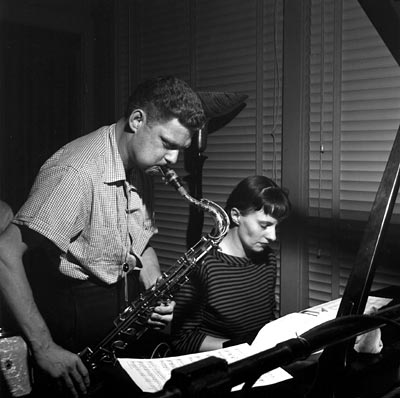 |
| Sims and Hipp rehearsing at Van Gelder Studio |
Hours later, by the time seven songs were laid to tape, the session was all but complete when Sims would have suggested the band riff on an up-tempo twelve-bar progression of his choosing. The result was “Just Blues”, and the track proved to be so much fun that it would later be chosen as the album’s opener. (In a review for All About Jazz, critic Chris M. Slawecki quipped, “Sims contributed the opening “Just Blues”, although he apparently couldn’t be bothered to title it,” which provokes the comical image of Lion turning to Sims for the title after the take with Sims shrugging and humbly replying, “Just blues.”)
The album would eventually make it to store shelves seven months later in February 1957. But by this time Hipp had mysteriously disappeared from the scene, and without star power to drive album sales, the sides wouldn’t be repressed until the glory days of hard bop were long over, rendering the original LP a figment to the vast majority of the jazz record collecting populous.
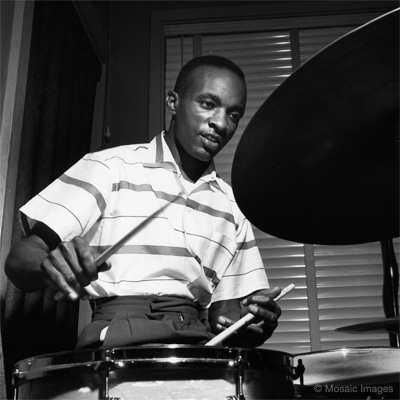
On first listen, the music here may sound a bit old-fashioned when held up to other cutting edge jazz albums recorded in 1956, but the consistently fun vibe of Jutta Hipp with Zoot Sims proves difficult to deny. Sims would assume the unofficial role of leader that day, bringing a playful, infectious energy to the studio, and Hipp rose to the occasion despite known confidence issues. Thigpen, who would go on to form one-third of the legendary Oscar Peterson Trio, provides a steady, driving rhythm throughout, putting the soloists in the zone with inspiring momentum on more upbeat tunes like “Just Blues”, Lloyd’s “Down Home” and the J.J. Johnson composition “Wee Dot”.
 |
| Drummer Ed Thigpen |
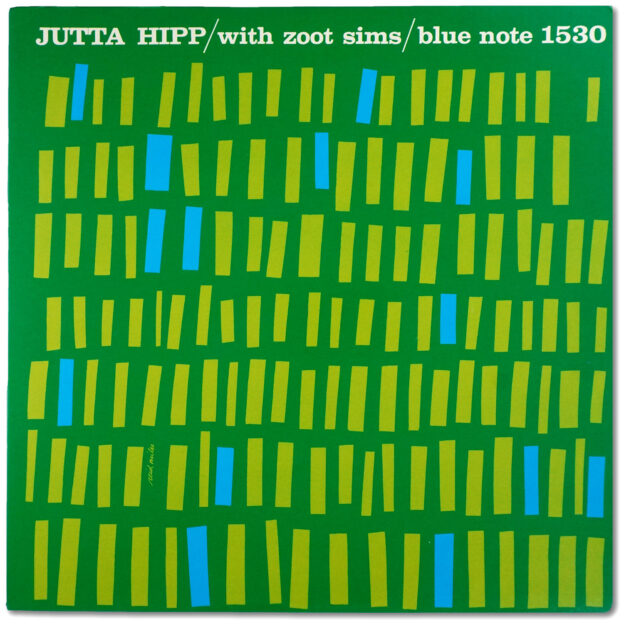
The recording itself is one of Rudy Van Gelder’s finest. By 1956 the engineer had finally backed off the quirky artificial spring reverb that hinders many of his earliest recordings, allowing listeners to hear the natural ambience of the Hackensack living room in all its makeshift glory. Soft, warm cymbals also define Van Gelder’s sound during this period, giving the music a unique, almost cartoony character. For the finishing touch, Reid Miles provided some of his most iconic design: a colorful, modern jumble of rectangles primitively imitating the keys of a piano (the cover has proven so iconic it has found a home in the Museum of Modern Art in New York City).
Sadly, this was the last time Hipp would enter a recording studio. At some point the pianist became jaded by the music industry, retreating to Queens to work in a textile factory. She returned to her first creative passion, painting, and lived alone there until 2003 when she passed away due to terminal illness. There are only a few recordings of the German phenom to be heard as a result, and we should be grateful for this particular shining example of her talents.
How They Heard It: Blue Note Records and the Transition from Mono to Stereo
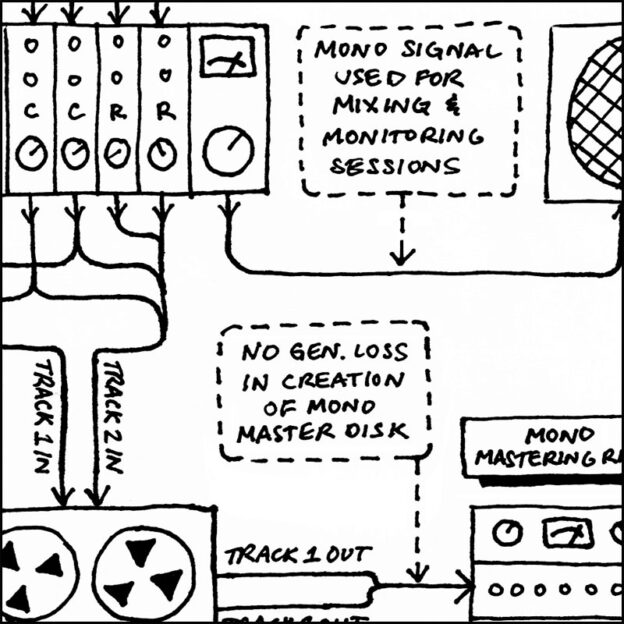
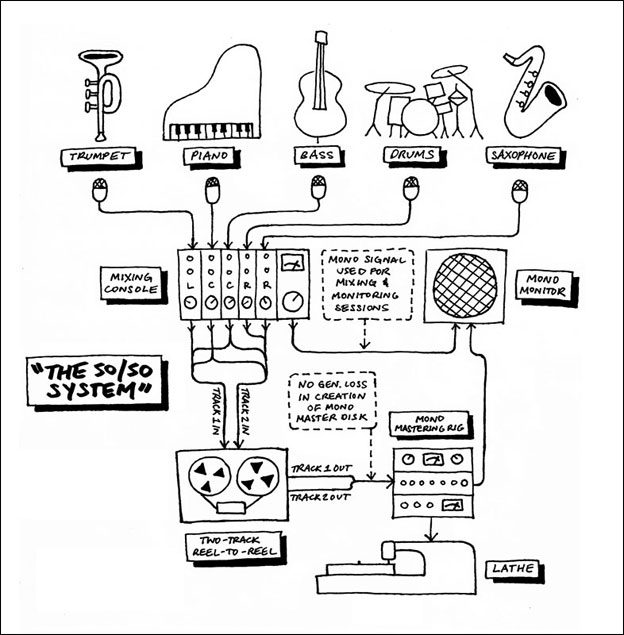
Several years ago, when I first became a collector of vintage jazz records, I was confused. Original mono copies of albums from Blue Note’s classic catalog were significantly more expensive than their stereo counterparts, yet virtually all the talk online was of the original “stereo” master tapes for these sessions. Why then were the mono copies so much more valuable than the stereo copies if the albums were recorded to two-track tape?
I set out to find the answer, and soon discovered that there was a good amount of misunderstanding amongst audiophiles and record collectors regarding the methods of Blue Note’s exclusive recording and mastering engineer, Rudy Van Gelder. Realizing how historically and culturally important these recordings are, I decided to make a more formal study of the issue, and the results were published on the London Jazz Collector website in July of this year.
Shortly after publishing, I decided that the article could be made much more efficient, and last month London Jazz Collector published the revised version of the article. The new version is more concise and hopefully easier to understand. Click on the link below to check it out!
Vinyl Spotlight: Lee Morgan, Search for the New Land (Blue Note 4169) “Earless NY” Mono Pressing


- Second mono pressing circa 1966
- “NEW YORK USA” on both labels
- “VAN GELDER” stamped in dead wax
- “43 West 61st St., New York 23” address on jacket
Personnel:
- Lee Morgan, trumpet
- Wayne Shorter, tenor saxophone
- Grant Green, guitar
- Herbie Hancock, piano
- Reggie Workman, bass
- Billy Higgins, drums
Recorded February 15, 1964 at Van Gelder Studio, Englewood Cliffs, New Jersey
Originally released August 1966
| 1 | Search for the New Land | |
| 2 | The Joker | |
| 3 | Mr. Kenyatta | |
| 4 | Melancholee | |
| 5 | Morgan the Pirate |
Selection:
“Melancholee” (Morgan)
For Collectors
This record is especially hard to find with the Plastylite “P”, though it does exist. I have had good experiences with Liberty pressings though, so I’m not hung up on finding an original pressing of this album. The first copy I had, also a Liberty pressing, was cheap but it had a few loud pops and clicks, which prompted me to seek out this replacement, which I think was fairly graded VG+.
For Music Lovers
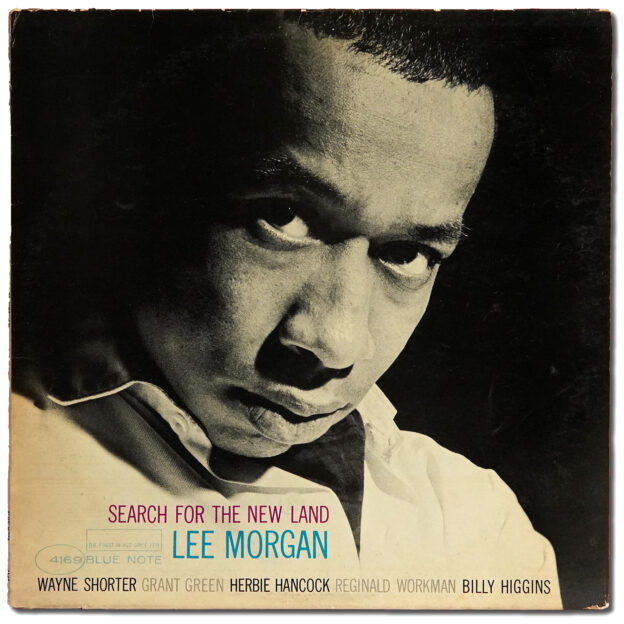
It’s difficult to discuss a Lee Morgan album without considering where and how it fits into the dramatic and tragic story of his life. At the age of 20, Morgan first recorded as a member of Art Blakey’s Jazz Messengers in October 1958 for the classic album Moanin’. His residency with Blakey would continue until the summer of 1961 when Morgan and fellow Philadelphian Bobby Timmons made the decision to retreat to their hometown for relief from the heroin-infested New York jazz scene. Morgan would only step in the studio once over the course of the next two years for producer Orrin Keepnews (Take Twelve, Jazzland 980), but would eventually make his official return to the New York recording scene in the fall of 1963 for a date with Hank Mobley (No Room for Squares, Blue Note 4149). After taking an uncharacteristic date with the progressive Grachan Moncur III the following month (Evolution, Blue Note 4153), Morgan recorded The Sidewinder in December 1963. The smash hit wouldn’t be released until the following summer, however. In the meantime, Morgan entered the studio again in February 1964 to record Search for the New Land, which would ultimately be shelved until 1966 – perhaps as a result of the tremendous commercial success of Sidewinder.
While Morgan and Shorter had been bandmates in The Jazz Messengers for years before Morgan’s hiatus, this would be the first of only a handful of occasions where the trumpeter would record with Herbie Hancock. (I was surprised to learn that this was only the second time that Shorter and Hancock had recorded together.) Billy Higgins returned from the Sidewinder date – which would prove to be the start of a lengthy partnership between he and Morgan – while Grant Green and Reggie Workman rounded out the sextet.
For all the Blue Note sessions Lee Morgan had led since he began recording for the label in 1956, this would only be the second where the entire program was penned by Morgan himself (The Sidewinder being the first). As such, Search for the New Land is a beautiful contemplation of the then looming and uncertain future of jazz. It is not a desperate exodus out of bop; it can be better likened to a child on the ocean’s shoreline standing knee-deep in the waves, hesitant to submerge themself in the water. Search thus pushes the boundaries of hard bop just enough to keep within the sub-genres inherent structure.
The album is consistent and cohesive. The dreamy, somber choruses of the title track are flanked by improvisational sections fashioning a minimal harmonic structure that compliments the modal leanings of Hancock and Shorter (this session would predict their uniting with Miles Davis as members of his “second great quintet” later that year). Hancock especially shines on the take with a crisp solo exemplifying his clear and acute thinking at the piano. “Mr. Kenyatta” bounces between moods in much the same way as the title track, swaying back and forth between feelings of angst and playfulness. And while The Penguin Guide to Jazz Recordings refers to the closing pair of songs as “more than makeweights” but “more off-the-peg” in comparison to the rest of the material, this ironically is my favorite sequence of the album. “Melancholee” is a gorgeously despondent composition that gives us a hard, honest look at the inner workings of Morgan, and the uplifting melody of “Morgan the Pirate” follows closely behind to conclude the album with an air of optimism.
One can’t help but wonder if the aforementioned session with Moncur had a profound impact on Morgan. Perhaps his experimentation at this time was actually a rebellion against the avant-garde manifesto, an attempt to push the boundaries of the institution of bop without succumbing to the full-blown chaos of free jazz. Either way, Search for the New Land is an expressive journey to the edges of an idiom, and it stands as an important work created at a pivotal crossroad in the evolution of the jazz art form.
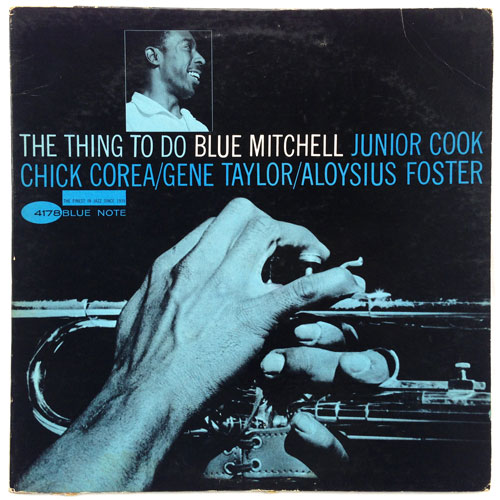
Vinyl Spotlight: Blue Mitchell, The Thing to Do (Blue Note 4178) Original Mono Pressing
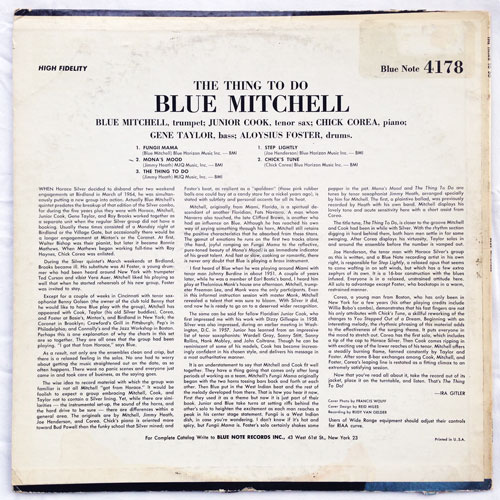
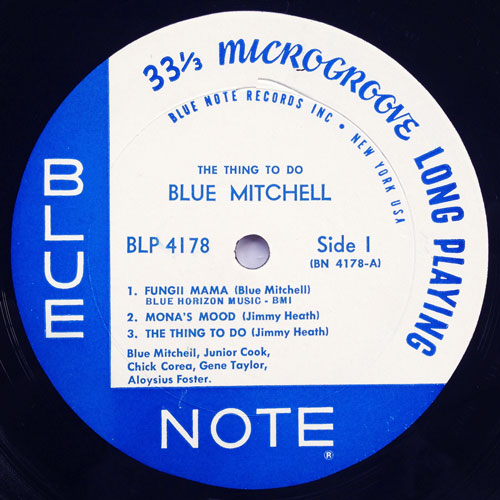
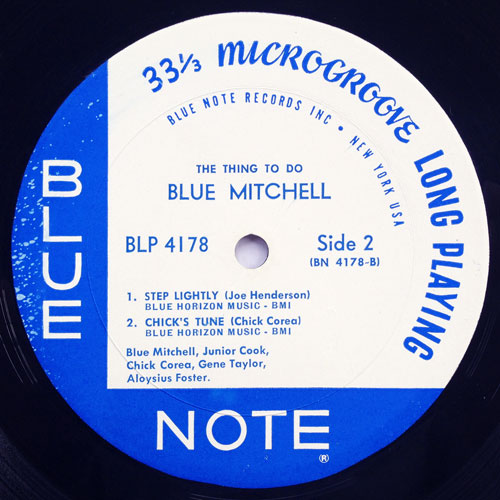
- Original 1965 mono pressing
- “NEW YORK USA” on both labels
- Plastylite “P” etched and “VAN GELDER” stamped in dead wax
- “43 West 61st St., New York 23” address on jacket
Personnel:
- Blue Mitchell, trumpet
- Junior Cook, tenor sax
- Chick Corea, piano
- Gene Taylor, bass
- Al Foster, drums
Recorded July 30, 1964 at Van Gelder Studio, Englewood Cliffs, New Jersey
Originally released May 1965
Selection: “Step Lightly” (Henderson)
For Collectors
If you’ve read my first “Perspective” article here on Deep Groove Mono, you already know the story of how I acquired this record, which is special to me because it was the first vintage Blue Note album I ever heard that truly embodied the legendary “Blue Note sound”. And how about that cover? The symmetry, the cool blue on the dead black background, and the detailed shot of Blue’s hands on his trumpet make for a winning combination in my book.
For Music Lovers
I’m a huge Horace Silver fan, and I have always enjoyed the work of Blue Mitchell and tenor saxophonist Junior Cook as members of the Horace Silver Quintet. Mitchell had been working with Silver for four solid years the first time he entered the studio as a leader for Blue Note in August 1963 for a session including Joe Henderson and Herbie Hancock (for some reason, the recordings were shelved for nearly two decades). Two months later in the fall of ’63 though, Blue, Junior, and Quintet bassist Gene Taylor would have their last hurrah recording with Silver on a date producing two takes which would eventually find their way to Song for My Father. I haven’t read anything regarding the musicians’ parting of ways, but one can only guess it was peaceful, especially in light of the fact that Blue had jammed with Henderson, Cook’s replacement, before Silver.
Nine months later in the summer of 1964, Blue, 34 at the time, got Cook and Taylor together with a couple bright and budding musicians who would go on later to obtain global exposure with Miles Davis. 23-year-old Chick Corea had only recorded a handful of times when he arrived at Englewood Cliffs that day, and the 21-year-old Al Foster had yet to even set foot in a recording studio. But the pair rose to the challenge of this big-league outing with grace and poise, and their youthful energy ultimately steal the show on The Thing to Do.
If you think the head of the album opener, “Fungii Mama”, sounds zany or perhaps even corny, don’t let it deter you so quickly. Cook leads off with an inspiring solo, and Blue provides a fun improvisation of his own songwriting work. Corea eventually delivers a solo that is both fun and ambitious, and Foster follows with a challenging juxtaposition of the downbeat that causes the head to make a startling and exciting return. It’s a real treat to hear the young drummer’s rock-solid, driving latin rhythm throughout, and the tension created by each return to the bridge is a most welcome harmonic excursion.
My personal pick though is “Step Lightly”. The song was first recorded on the aforementioned 1963 date with Henderson and Hancock, but the overall vibe remains the same here. This track never really stood out to me until I recently heard it on a cloudy weekday afternoon off from work. The lazy tempo and bluesy melody complemented the mood so perfectly I instantly felt like I understood Henderson’s intentions as the song’s composer.
Sonically, this album is an example of Rudy Van Gelder at his best. The recording giant got a very nice piano sound here, and the natural reverberation of the Englewood Cliffs studio sounds heavenly, especially during Foster’s solo on “Fungii”. For those who don’t know, I’m a drum guy, and as such I recommend paying close attention to how tight and well-tuned Foster’s tom-toms sound here. (That’s one thing I love about classic jazz: the drum kits were made with care, the drummers took their craft seriously enough to tune their kits regularly, and you can hear the difference!)
Overall, I think the songwriting on this album is solid (Jimmy Heath’s title track included), and it gives us a rare glimpse of the vigorous, hungry duo of Corea and Foster on a straight-ahead bop date preceding their respective moves into free jazz and fusion. I personally need to be in the right mood to enjoy a record like The Thing to Do with its don’t-take-yourself-too-seriously-type attitude. But when I’m in that mood, these sides are as good as any.
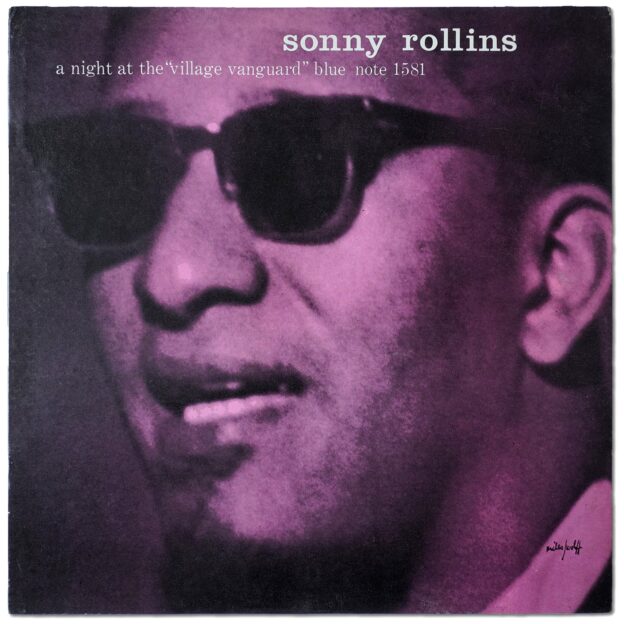
Vinyl Spotlight: Sonny Rollins, A Night at the Village Vanguard (Blue Note 1581) Liberty Mono Pressing
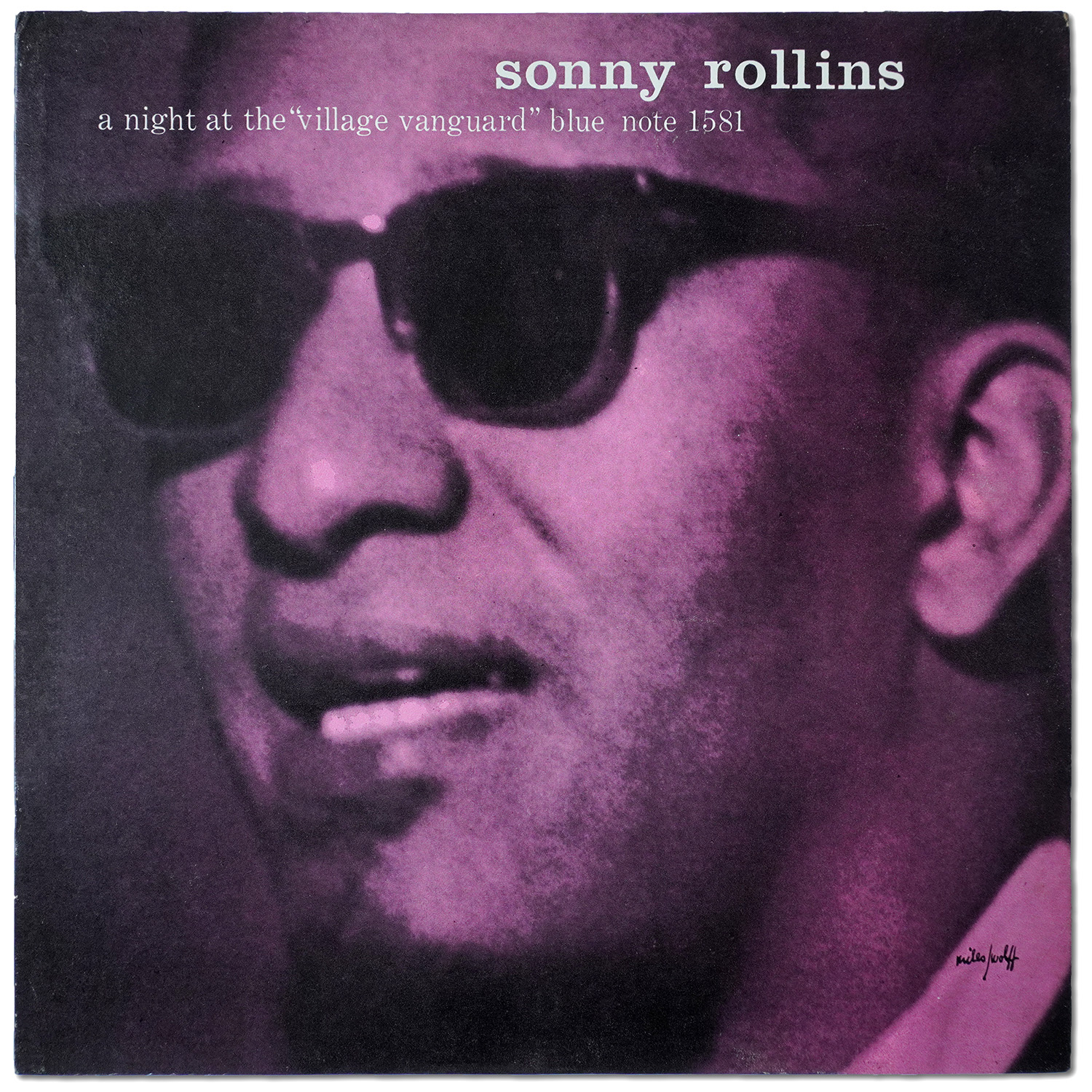
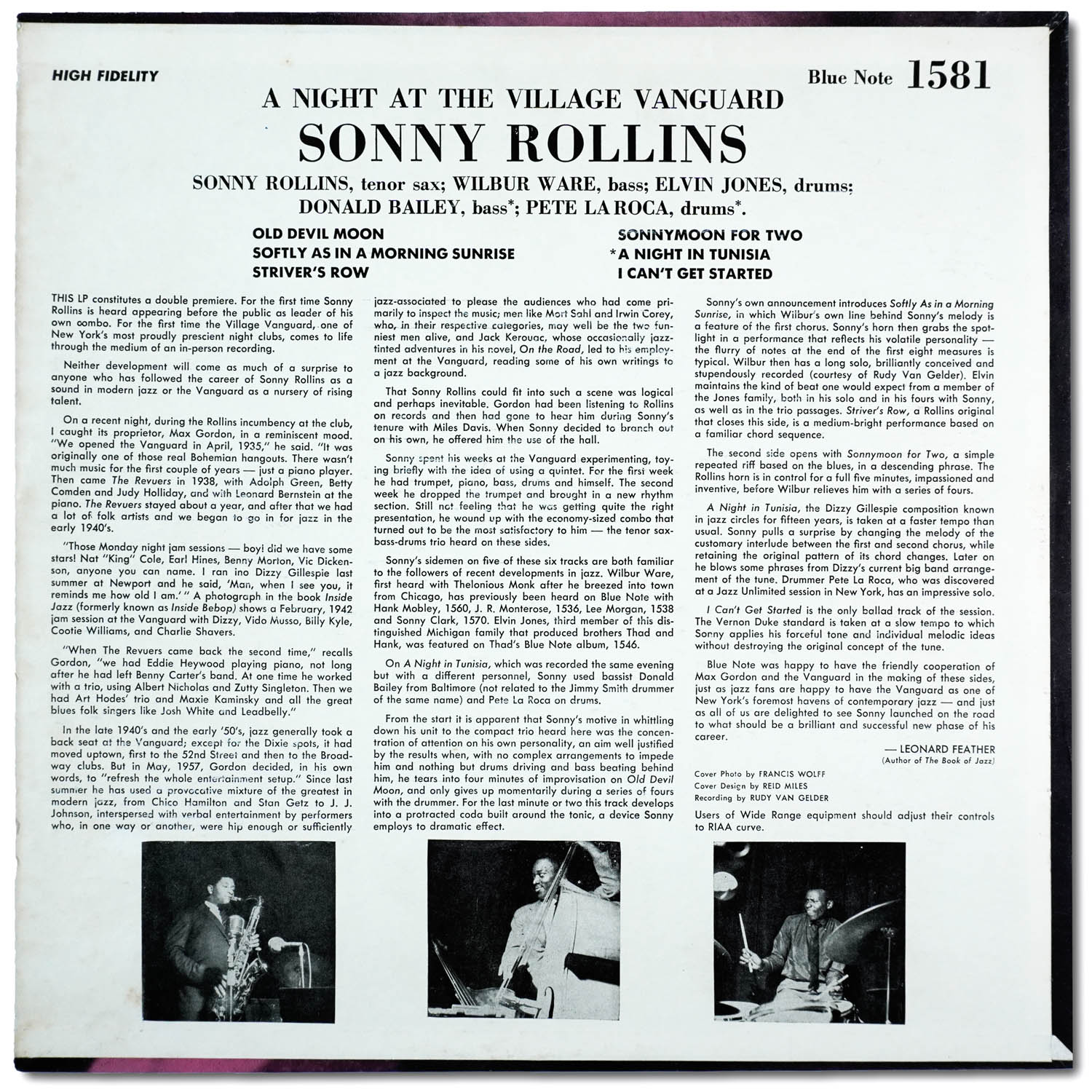
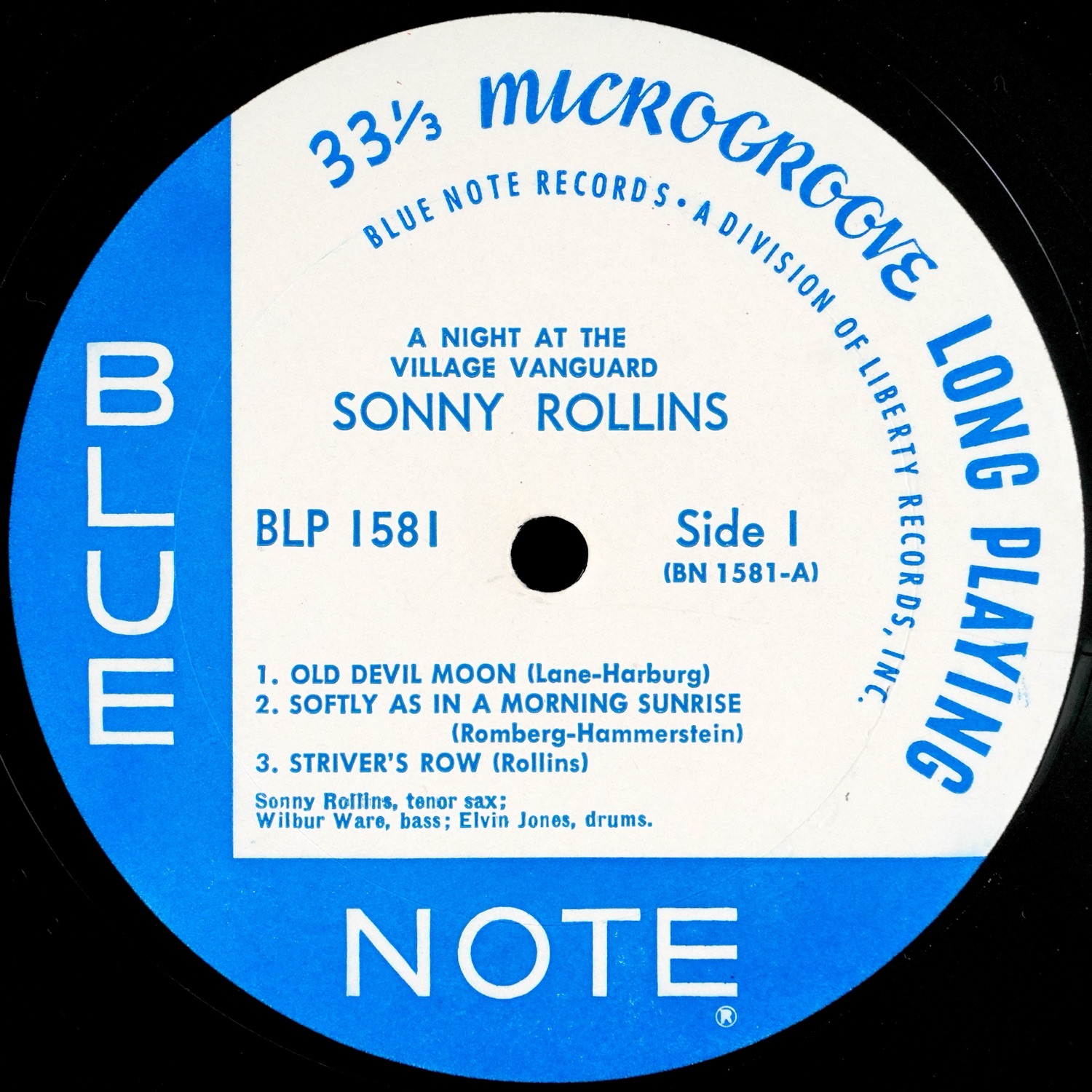
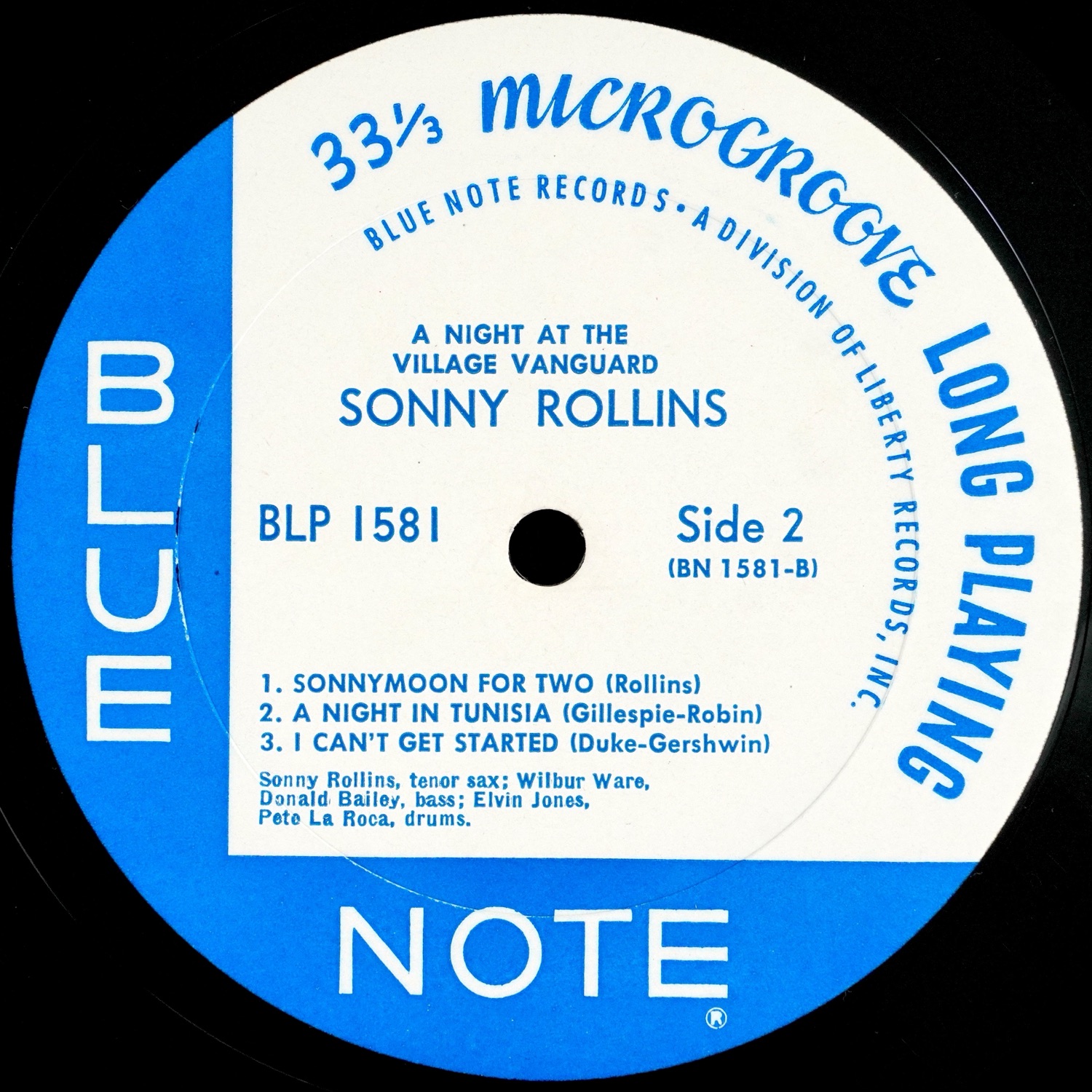
- Liberty pressing ca. 1966-70 (mono)
- “RVG” stamped in dead wax
Personnel:
All but “A Night in Tunisia”:
- Sonny Rollins, tenor saxophone
- Wilbur Ware, bass
- Elvin Jones, drums
“A Night in Tunisia” only:
- Sonny Rollins, tenor saxophone
- Donald Bailey, bass
- Pete La Roca, drums
Recorded live at The Village Vanguard, New York City, November 3, 1957
Originally released December 1957
| 1 | Old Devil Moon | |
| 2 | Softly, as in a Morning Sunrise | |
| 3 | Striver’s Row | |
| 4 | Sonnymoon for Two | |
| 5 | A Night in Tunisia | |
| 6 | I Can’t Get Started |
Selection:
“Sonnymoon for Two” (Rollins)
Perhaps Monk and Trane are offering some insight into why an album like A Night at the Village Vanguard sounds so real and so raw. Rollins was a music rebel: I like to think of him as the most “punk rock” of all the bop greats (he even sported a mohawk over a decade before the inception of punk). He was also an insatiable innovator, so much that he went on a three-year hiatus from public and studio appearances because he was dissatisfied with his own progress as an artist. By 1957, it was apparent that Rollins felt confined to the underlying harmonic structure naturally imposed on him by piano accompaniment. His solution as a leader? Get rid of the piano player. Rollins recorded his first entire LP without keys in March of that year (Way Out West, Contemporary 3530), and on this November Vanguard date he decided to expand on the idea with two different rhythm duos during the afternoon and evening sets, respectively.
“Softly As in a Morning Sunrise” is a standout tune not only for the refreshingly humble solos from all three members of the evening trio (Rollins, Wilbur Ware, and Elvin Jones), but also for its sonic brilliance. I love how immediate and direct Rollins’ horn sounds (partly due to the lack of piano), and things are quiet enough during the bass and drum solos (audience included) for us to hear each and every nuance. I’ve always had a thing for drums, and Jones’ kit is astonishingly tight, tuned, and clear here — especially the bass drum. The only shortcoming is that the overhead miking of the drums tends to overload from time to time, resulting in the occasional distorted cymbal crash.
The complete survived takes from this session were first issued in 1999 on double-CD. Numbering triple the amount of songs here, this can be a daunting listen. I was first exposed to A Night at the Village Vanguard through the reissue, and as a record collector who has always approached music with a “less is more” mentality, I just focused on the original track listing anyway — which in all likelihood was carefully curated by Blue Note founder Alfred Lion. Someday I will probably get to a point where I feel familiar enough with this LP to move on to the rest of the reissue. But until then, I like that the record’s concise program naturally encourages me to focus more on the details of a smaller amount of material.